

Washington, United States – U.S. President Donald Trump’s new artificial intelligence task force is drawing scrutiny over whether safeguards can keep pace with rapidly advancing AI systems.
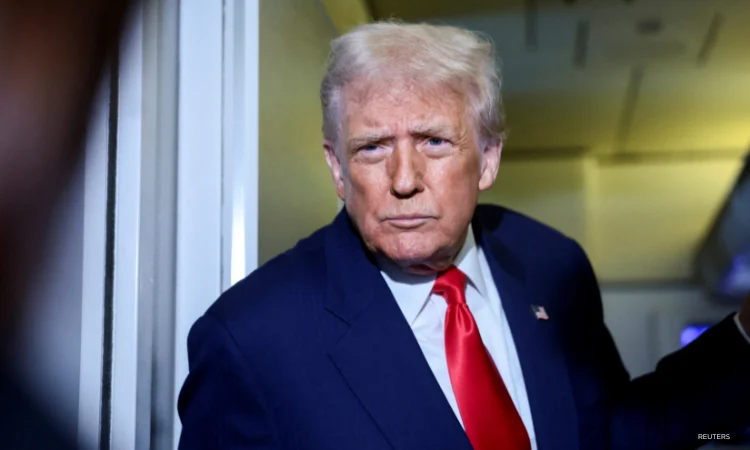
Trump announced the “Super Intelligence Force” on Sunday to coordinate federal efforts on AI and maintain U.S. leadership in the technology. The task force will be led by Director of National Intelligence Jay Clayton.
Trump has sought to use the term “super intelligence” instead of artificial intelligence. He said the new group would work with industry, consumers and other stakeholders to protect U.S. interests while advancing the technology.
Turkish technology expert Ozlem Tekindor warned that rapidly developing more powerful AI systems could create additional risks if oversight fails to develop at the same pace.
“The creation of the ‘Super Intelligence Force’ could entail serious risks if the development of artificial intelligence outpaces the mechanisms for controlling its use,” Tekindor said, according to Sputnik/RIA Novosti.
Tekindor said the U.S. push to maintain its technological advantage was understandable amid growing international competition.
She said governments must establish clear rules governing how increasingly powerful AI systems are used.
“The faster such technologies develop, the more important it becomes to create rules for controlling their use alongside the innovations themselves,” Tekindor.
The task force has been given 120 days to produce a report examining the risks and opportunities posed by AI and the federal government’s role in addressing them.
It will also include Federal Trade Commission Chairman Andrew Ferguson, Pentagon technology chief Emil Michael and Office of Personnel Management Director Scott Kupor.
Tekindor warned that competition among countries to develop more advanced AI could accelerate a global technological race before international safeguards are in place.
“If states begin to view superintelligence primarily as a tool for strategic rivalry, the race for technological supremacy could outpace the establishment of international security mechanisms,” she said.
She said increasingly powerful AI could have implications for intelligence operations, defense technology, cybersecurity and government decision-making.
Trump has emphasized keeping the United States ahead of global competitors in AI while generally favoring limited regulation of the industry. His administration has also faced growing calls to address safety concerns surrounding increasingly capable AI systems.