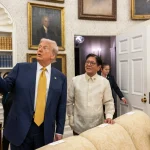


Metro Manila, Philippines – The Philippines and the United States are focused on completing work on the nine existing sites under the Enhanced Defense Cooperation Agreement (EDCA) before considering further expansion, Philippine Ambassador to Washington Jose Manuel Romualdez said.
“There’s been some talk about other additional sites, but that’s still very far off right now,” Romualdez told NewsWatch Plus’ The Newsmaker.
“We want them to finish first the nine that we have already agreed upon,” he said.
Romualdez said any future request for additional locations would have to be considered as part of the Philippines’ own defense strategy.
“We’re hoping that if there’s any more requests for that, we will see that again as part of our defense strategy,” he added.
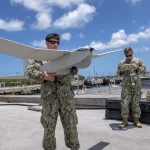
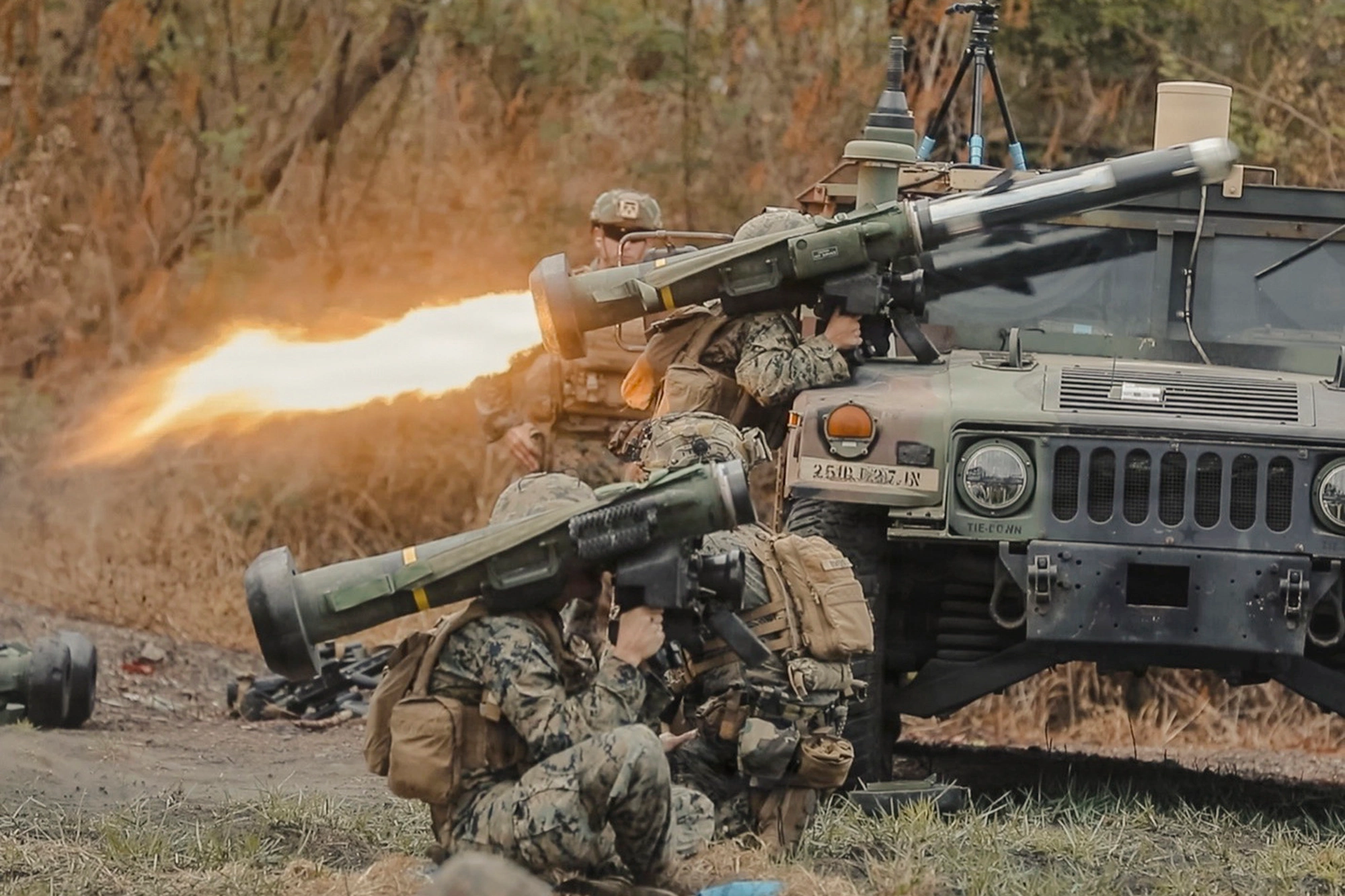
EDCA, signed in 2014, allows U.S. forces rotational access to agreed Philippine military locations and permits the construction of facilities and prepositioning of equipment and supplies. The sites remain Philippine property and are not U.S. military bases.
The Philippines initially designated five EDCA locations: Cesar Basa Air Base in Pampanga, Fort Magsaysay Military Reservation in Nueva Ecija, Lumbia Air Base in Cagayan de Oro, Antonio Bautista Air Base in Palawan and Mactan-Benito Ebuen Air Base in Cebu.
Under President Ferdinand Marcos Jr., Manila and Washington announced four additional locations in 2023: Naval Base Camilo Osias in Santa Ana, Cagayan; Lal-lo Airport in Cagayan; Camp Melchor Dela Cruz in Gamu, Isabela; and Balabac Island in Palawan.
The expansion brought the total number of EDCA sites to nine. Three of the four additional locations are in northern Luzon, facing the direction of Taiwan, while Balabac is strategically located in Palawan near the South China Sea.
The U.S. Defense Department said the additional locations were intended to improve interoperability and allow the two countries to respond more effectively to shared challenges in the Indo-Pacific.
Work on existing sites
Romualdez acknowledged issues involving land have affected the development of some EDCA locations, but said Philippine and U.S. defense officials have been working to address them.
“We’ve been discussing that. I think our defense panel that has regular meetings with the defense board or the Mutual Defense Board should discuss all of these issues and they try to find ways and means to be able to speed it up,” he said.
“But I think it’s moving along quite well already right now.”
Romualdez said U.S. access to the locations forms part of the broader Philippine defense strategy and the countries’ longstanding security alliance.
“The access that we have given to the United States is part and parcel of our total agreement that we have as part of the MDT, or the Mutual Defense Treaty,” he said.
“We’ve had [it] with the United States for many, many years. In fact, as you said, 75 years, and we’re just simply enhancing it.”
The Philippines and the United States are marking the 75th anniversary of the Mutual Defense Treaty this year amid persistent tensions between Manila and Beijing in the West Philippine Sea and growing security concerns over the Taiwan Strait.
President Marcos has said the Philippines would not be used as a launching pad for attacks against another country.
Romualdez backed Marcos’ position, saying Philippine defense arrangements are intended for the country’s own security.
“The president has made it very clear that everything that we’re doing is for the defense of the Philippines. It is for our own. It’s part of our defense strategy,” he said.
“Anything that has to do with defense is something that we obviously have put together with allies like the United States.”
Defense support
Romualdez pointed to continuing U.S. military assistance and the development of sites under the Enhanced Defense Cooperation Agreement as concrete signs of Washington’s commitment.
The envoy also cited a proposed $2.5-billion U.S. funding package to support the modernization of the Armed Forces of the Philippines.
“This is a commitment that the United States has,” he said.
“Both the Democrats and the Republicans are very supportive of this alliance.”