

Metro Manila, Philippines – The government summoned Chinese Ambassador Jing Quan on Monday, Oct. 19, over remarks suggesting the possible use of force against the country, while Beijing pushed back against Philippine officials and warned that escalating tensions could drive bilateral relations toward a dangerous confrontation.
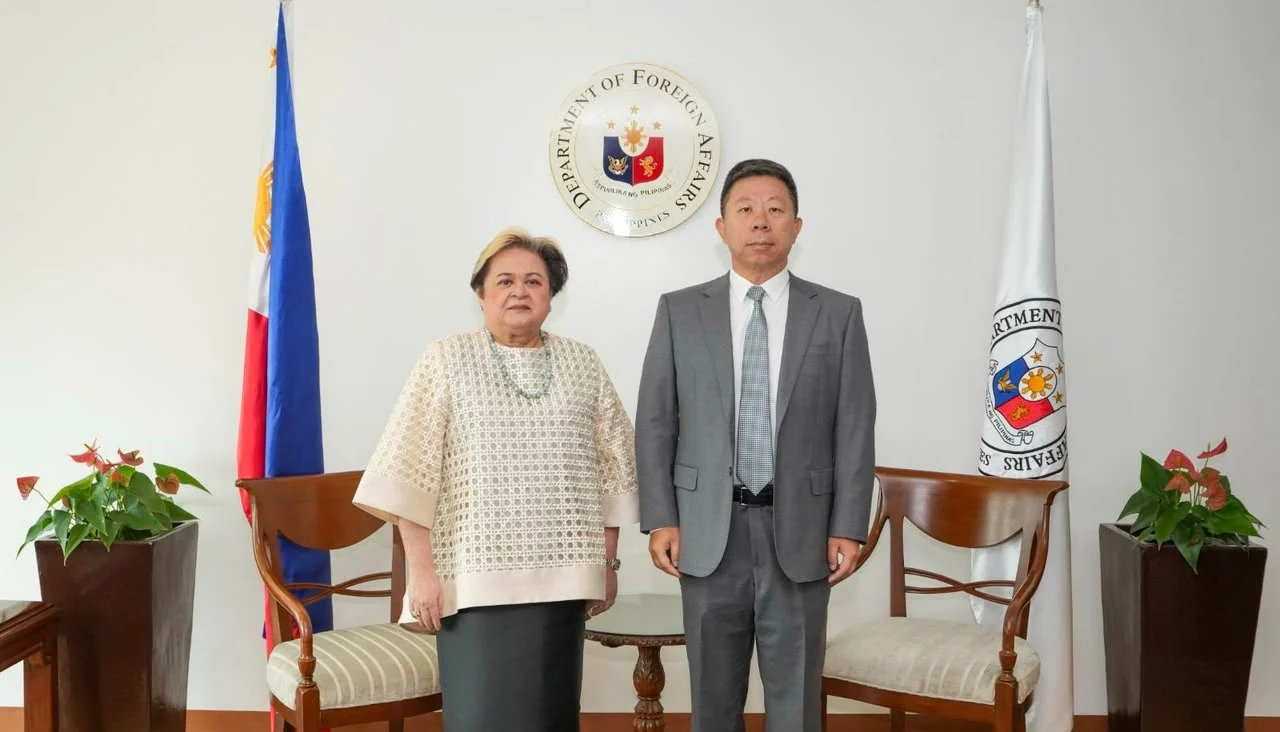
Foreign Affairs Secretary Ma. Theresa Lazaro personally conveyed Manila’s strong objection to Jing’s Oct. 15 statement, describing his language as provocative and unacceptable amid an increasingly strained relations.
The department also delivered a broader warning against attempts by foreign diplomats to publicly criticize Philippine officials performing their constitutional and official duties.
“It is not the place of a foreign mission to publicly criticize or taunt Philippine officials and legislators who are acting within their mandates,” the DFA said.
“As a democracy, the Philippines values freedom of expression and a plurality of voices, and it will not accept attempts by a foreign envoy to intimidate those who exercise them,” it added.
Lazaro said sensitive disagreements should be handled through established diplomatic channels and bilateral mechanisms rather than public exchanges that could further damage relations.
Despite the protest, the DFA reaffirmed its commitment to maintaining communication with Beijing, particularly in areas where cooperation remains possible.
However, it left open the possibility of additional measures.
“The Department reserves the right to take further diplomatic action as it deems necessary,” the DFA said.
Threat allegation, attacks
In a separate statement following the meeting, the Chinese embassy said Jing lodged strong diplomatic representations against what it described as smear campaigns and attacks by politicians and government officials.
Jing rejected the DFA interpretation of his remarks, arguing that he was emphasizing China’s preference for peace despite its military capabilities.
“The DFA statement claims that my remarks seem to convey a thinly veiled ‘threat’. I cannot agree,” Jing said.
“But my point is, despite our capacity, we don’t have the intention to use force. Because we are friends and close neighbors. There is no need to resort to force,” he added.
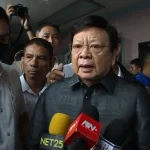
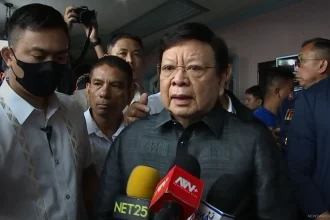
The controversy began during an interview on the sidelines of the Second Diliman Dialogue on Oct. 15, when Jing responded to Defense Secretary Gilberto Teodoro Jr.’s description of China as a regional troublemaker.
“If we want to use force, we may easily win. But no, we will not choose force, and we love peace,” Jing said at the time.
President Bongbong Marcos subsequently described the statement as sounding like a threat and said it warranted a direct discussion with the ambassador.
Teodoro, Tarriela, lawmakers
The Chinese ambassador’s response also included direct criticism of senior officials, particularly Teodoro and Philippine Coast Guard spokesperson for the West Philippine Sea Rear Adm. Jay Tarriela.
Jing accused Teodoro of cutting off military-to-military communication for three years and refusing to restore them.
He also criticized government actions involving Chinese workers and teachers, alleging that Beijing had been unfairly targeted.
He specifically criticized Teodoro, Tarriela, and unnamed senators and representatives for their public statements against China.
Jing questioned how Manila could pursue improved relations with Beijing while its officials continued criticizing Chinese policies.
“What’s exactly the China policy of the Philippines? What has been done on the Philippine side?” the ambassador said.
“We urge the Philippine side to earnestly respect China’s core interests and concerns, take necessary measures immediately to restrain those anti-China politicians and ill-intentioned forces from dragging our bilateral relations into the dangerous situation of confrontation,” he said.