

New York, United States – Oil prices were slightly higher on Tuesday, gaining for a third straight session, as prospects for a U.S.-Iranian peace deal dimmed after Tehran said it would adopt a more offensive stance and Washington ruled out extending a ceasefire deal.
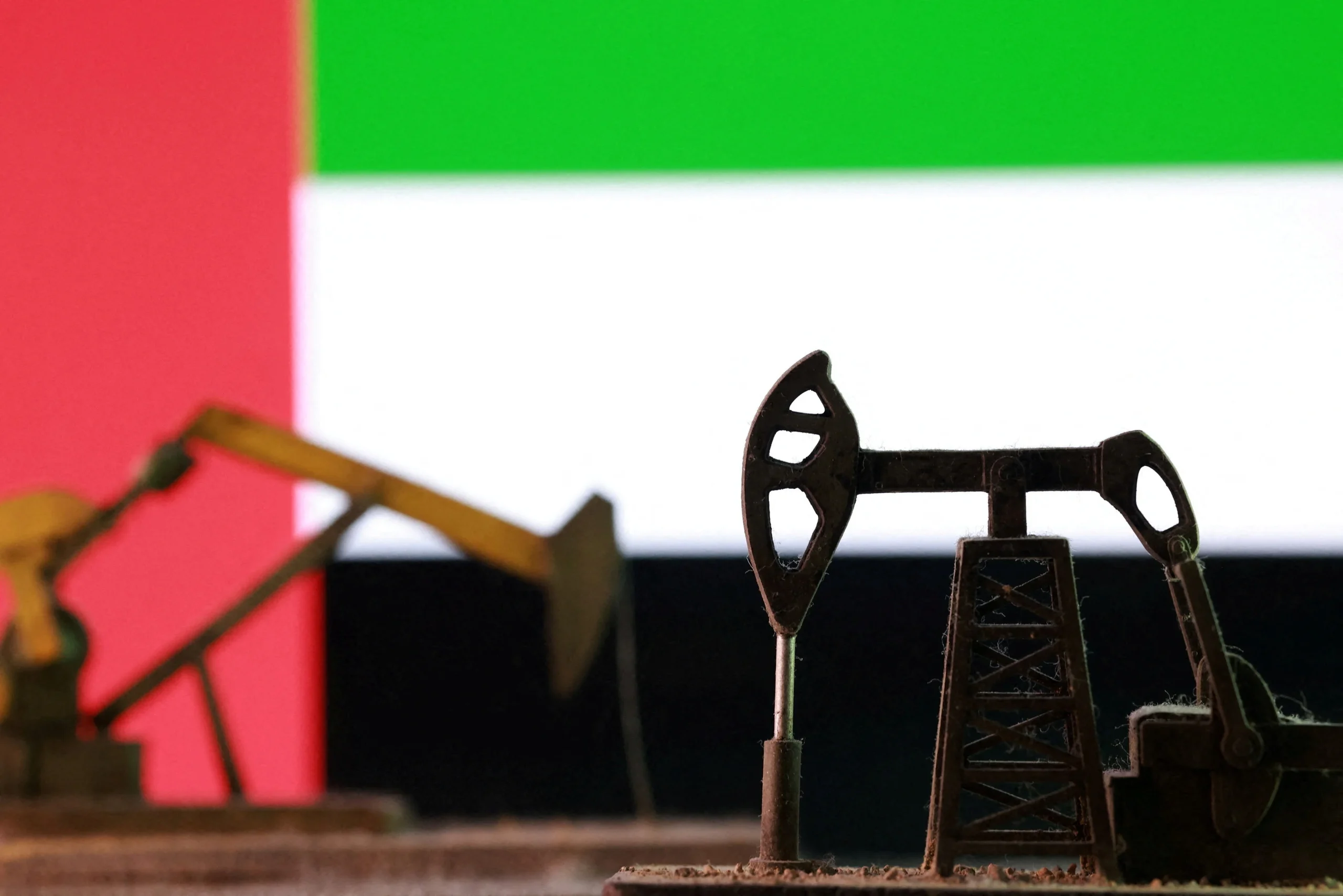
Brent crude futures LCOc1 were up 36 cents, or 0.4%, at $91.23 a barrel at 11:03 a.m. ET (1503 GMT). U.S. West Texas Intermediate crude futures CLc1 were up 56 cents, or 0.66%, at $85.06 a barrel. The contracts traded at their highest since July 30 and July 31, respectively, earlier in the session.
Progress on peace talks and the resumption of oil tanker traffic through the strategic Strait of Hormuz appear to have halted, threatening to extend the conflict that the United States and Israel launched with attacks on Iran on February 28.
Iran will keep the strait closed until the U.S. meets the conditions of the interim deal signed in June, top Iranian negotiator Mohammad Baqer Qalibaf said in comments published by state media on Tuesday.
Trump, who previously labelled that deal “over”, said on Tuesday that talks between Washington and Tehran were neither taking place nor scheduled, but the Strait of Hormuz was open. His comments were met with a muted market reaction.
“We are not at the pain points yet where either Iran or Trump would seek to make a deal,” Mohit Kumar, an economist at brokerage Jefferies, said. “Hence, we see further pain in the near term and upward pressure on oil prices.”
Qalibaf’s comments came after a senior Iranian official told Reuters on Monday that Iran will shift to a “fully offensive” military posture as efforts have stalled towards a permanent end to the war.
“The lack of any kind of deal will have an impact on oil price expectations further out in 4Q and even in 2027,” said DBS Bank’s head of energy research Suvro Sarkar.
Some oil is escaping Hormuz however, though crossings are in the single digits. Saudi Aramco has resumed oil loadings from inside the Strait of Hormuz, and is offering cargoes for loading via ship-to-ship transfers off Fujairah in the UAE.
“It is probably in Iran’s power to fully halt the flow of oil out of the Strait of Hormuz whenever they find it suitable,” said SEB analyst Bjarne Schieldrop.
Iran has separately been negotiating with Oman an agreement on managing the Strait of Hormuz and says they are close to a deal. But Trump responded to those talks with a threat to bomb Oman, a longstanding U.S. security partner.
Elsewhere in the Middle East, Yemen’s Houthis launched missiles in an attack on vessels they described as a Saudi military ship and four escorts in the Red Sea, their military spokesperson, Yahya Saree, said on the Telegram messaging app.
(Reporting by Siddharth Cavale in New York and Robert Harvey in London, Ishaan Arora in Bengaluru and Trixie Yap in Singapore. Editing by Saad Sayeed, Kirsten Donovan and Mark Potter)