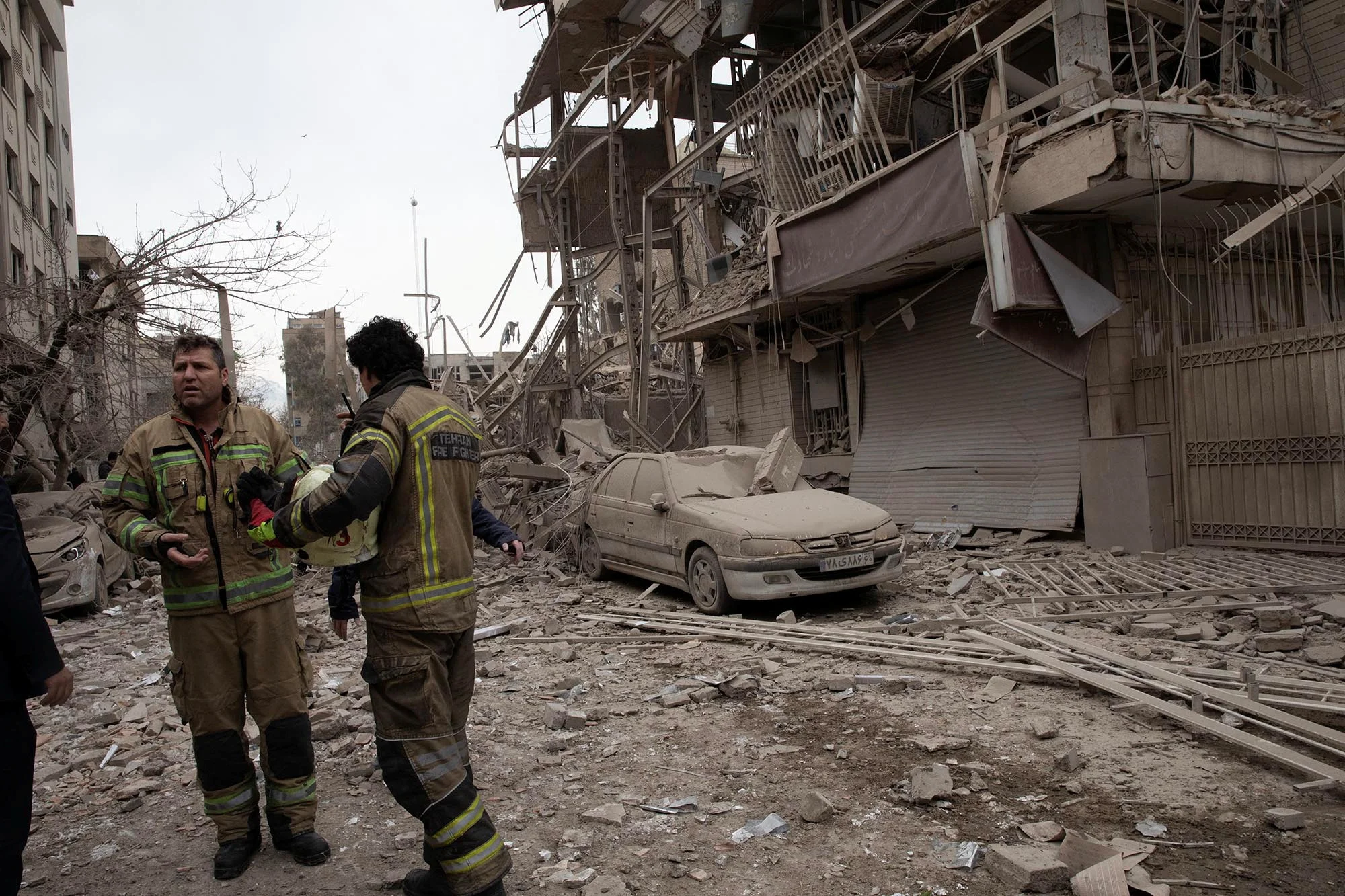


Tel Aviv, Israel – The war with Iran has left Israel facing “problematic consequences,” with Tehran retaining key military capabilities and a more hardline government remaining in power, a former senior Israeli intelligence official said.
Danny Citrinowicz, former head of the Iran branch of the Israeli Defense Intelligence, said Israel is also confronting an erosion of its international standing, which he attributed largely to the war in Gaza.
More than 70,000 Palestinians have been reported killed in Gaza since the war began, according to figures cited by the UN Office for the Coordination of Humanitarian Affairs. Most of Gaza’s population has also been displaced.
The war followed the Hamas-led Oct. 7, 2023 attack on Israel, which killed around 1,200 people and around 250 others taken hostage.
“Israel’s legitimacy in the world is eroding, not because of Iran, [but] mainly what happened in Gaza,” Citrinowicz said.
Citrinowicz spent 25 years in the Israeli Defense Intelligence, including as head of its Iran branch and as the Research and Analysis Division’s representative in the United States. He is now a senior researcher in the Iran and Shi’ite Axis Program at the Institute for National Security Studies.

He said the outcome of the Iran war has created difficult strategic questions for Israel despite the damage inflicted on Tehran.
“This war, for now, has very problematic consequences for Israel,” Citrinowicz said.
“Iran is not enriching today, but still has the capacity to reach a nuclear bomb if they want to,” he said.
“And I think that worse than everything, we left a very extreme regime in Iran.”
The war began in February with U.S. and Israeli strikes on Iran. Months later, tensions remain unresolved, while restrictions and attacks around the Strait of Hormuz continue to disrupt a major route for global energy shipments.
Vessel traffic through the waterway fell sharply this week amid renewed attacks and stalled negotiations between Washington and Tehran.
US military limits
Citrinowicz said the war has also exposed what he described as a “glass ceiling” in the ability of the United States to sustain a prolonged conflict while maintaining its military commitments elsewhere.
“I think this war actually highlighted the glass ceiling that U.S. has from the military side,” he said.
“The production lines in the U.S. do not support a lengthy war like that,” he said.
Citrinowicz said the consumption of missile interceptors and other high-end weapons has implications beyond the Middle East, particularly as Washington seeks to devote more attention and military resources to the Indo-Pacific.
“[The] U.S. [is] always talking about pivoting to the Indo-Pacific while fighting its wars in the Middle East,” he said. “That is something that is counterproductive when you try to counter China.”
He said Beijing could draw its own lessons from the strain placed on U.S. military resources.
“The Chinese, unfortunately, [are] earning a lot from this war,” Citrinowicz said.
He cited a potential conflict over Taiwan, arguing that U.S. weapons requirements across several theaters could complicate Washington’s ability to respond.
But Citrinowicz stopped short of predicting a Chinese attack. He said the experiences of Iran and Ukraine have also demonstrated that militarily weaker states can impose heavy costs on stronger adversaries.
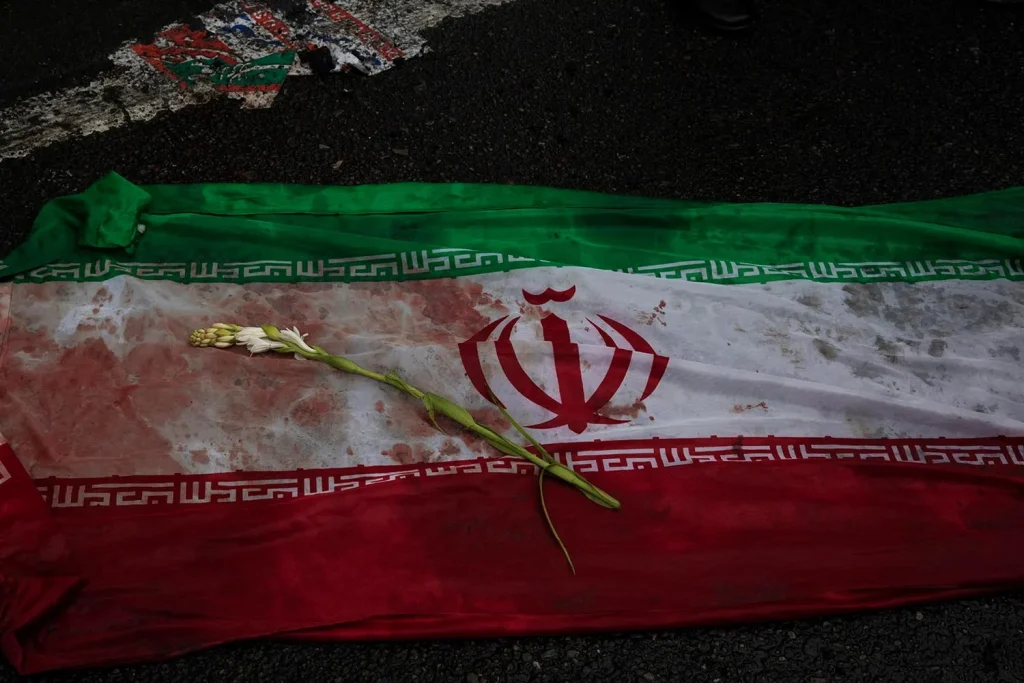
Israelis ‘very tired’ of war
Citrinowicz also pointed to the domestic toll of years of fighting.
“We are very tired from the war,” he said.
He said Israeli society has shifted politically to the right since the Oct. 7 attack, with declining faith in diplomatic agreements as a means of resolving security threats.
At the same time, he said there is growing fatigue over prolonged military campaigns that have failed to produce lasting political solutions.
“We are very tired knowing that from the military side we are not winning, so we are in a limbo,” Citrinowicz said.
A June INSS survey found 43% of Israelis believed the Iran war ended without a decisive outcome, while 37% believed Iran won. Only 15% considered Israel the victor.
Citrinowicz argued that military force ultimately needs to be paired with diplomacy.
“You cannot win without political agreement,” he said.
“Continuation of the war won’t lead to [a] better solution,” he said.
Lessons for the Philippines
Citrinowicz said Israel’s experience also carries lessons for the Philippines as Manila deals with China’s actions in the West Philippine Sea and the potential regional consequences of tensions over Taiwan.
He urged the Philippines to maintain its alliance with the United States while building stronger security relationships with other partners.
“Hold strong on your relations with the U.S. It’s crucial. It’s important,” Citrinowicz said.
But he added: “You cannot rely only on the U.S. support.”
“You need to diversify your support, looking for countries that you have the same mindset, the same interest, working together,” he said.
Citrinowicz urged Manila to establish clear limits in dealing with Beijing.
“Draw the red line and make the Chinese know what is the red line in terms of how they treat your shipping and your fishing activity,” he said.
But he cautioned against relying solely on military deterrence.
“Continue the political route with them,” Citrinowicz said. “Show your willingness to escalate if needed, but also continue [the] political route.”
He said Israel’s own experience showed the danger of relying exclusively on either military force or negotiations.