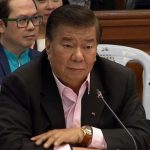

Metro Manila, Philippines – Former Senate President Franklin Drilon on Friday pressed Congress to adopt full transparency in the 2026 national budget deliberations, warning that billions in discretionary funds remain vulnerable to misuse.
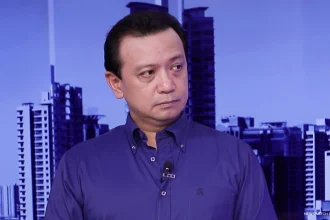
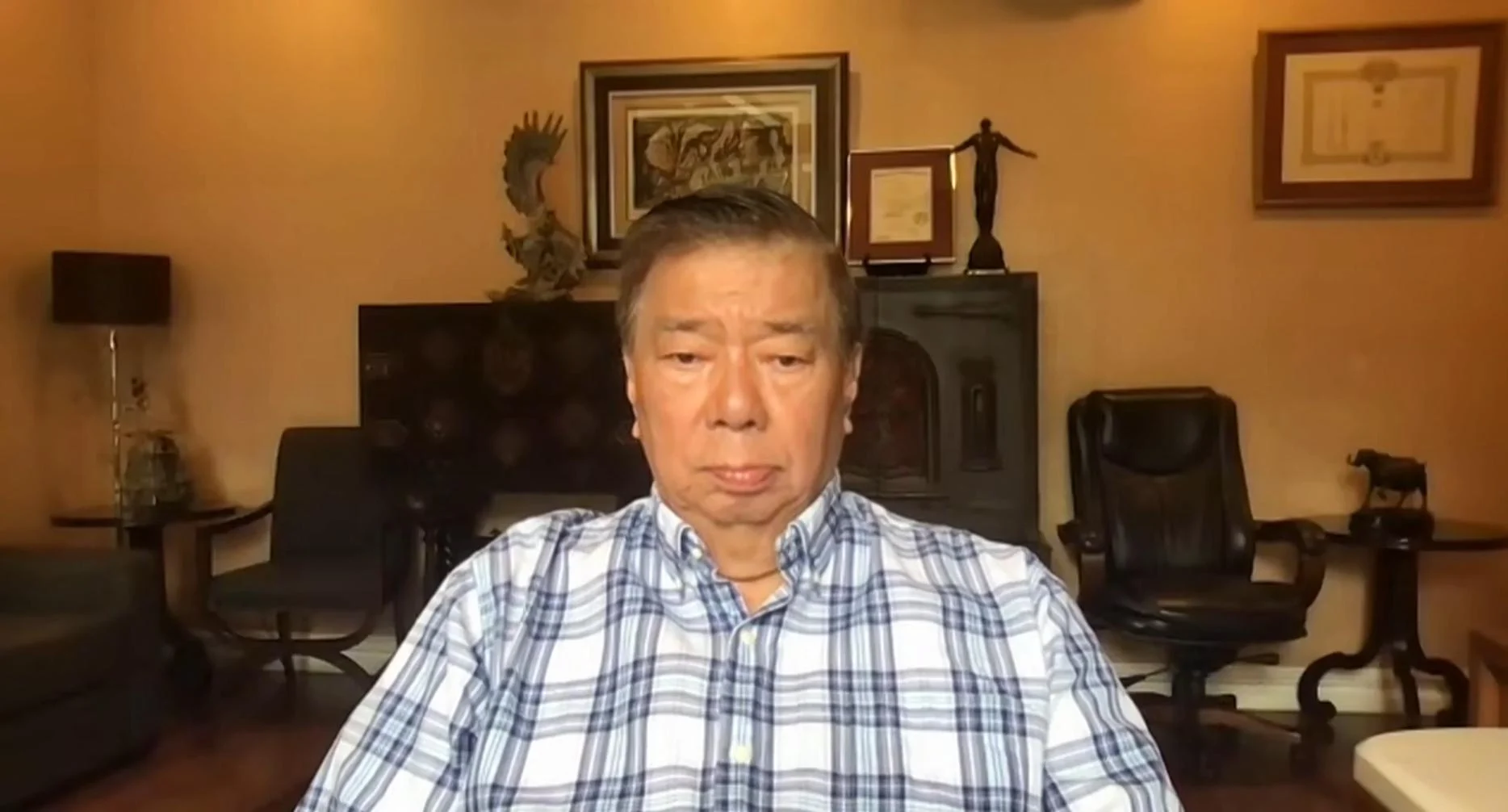
In an interview on The Newsmaker, Drilon backed efforts to livestream the bicameral conference committee, calling it essential for the public to see “who proposes what” during last-minute insertions that have historically been linked to corruption.
“I support livestreaming so people can see who is putting in amendments,” Drilon said. “This is the only way the public can judge whether changes serve the nation or serve personal interests.”
Drilon said the Senate version of the budget already removed roughly ₱114 billion in pork barrel–type allocations that appeared in the House-approved spending plan. However, he warned that significant risks remain.
Drilon said the unprogrammed funds, which can be released only if revenue targets are met, have been repeatedly exploited in previous budgets.
“Tanggalin yung unprogrammed appropriation,” he urged.
[Translation: Remove the unprogrammed appropriations.]
Despite public criticism and the government’s fiscal constraints, the 2026 proposal still contains over ₱11 billion in confidential and intelligence fund allocations.
“These funds are difficult to audit and prone to abuse,” Drilon said, adding that tight oversight is necessary if they cannot be removed entirely.
Drilon said that while the Senate trimmed down questionable insertions, some project allocations may still be “liable for corruption” and must be reviewed during the bicameral talks.
The former Senate leader stressed that corruption does not end with the passage of the budget.
“It’s not only about what is written in the budget,” he said. “The bigger problem is how the budget is executed – that is where many irregularities occur.”
Drilon said giving the public full access to the budget negotiations will help curb abuses, especially amid what he described as a “widespread climate of mistrust” in government spending.