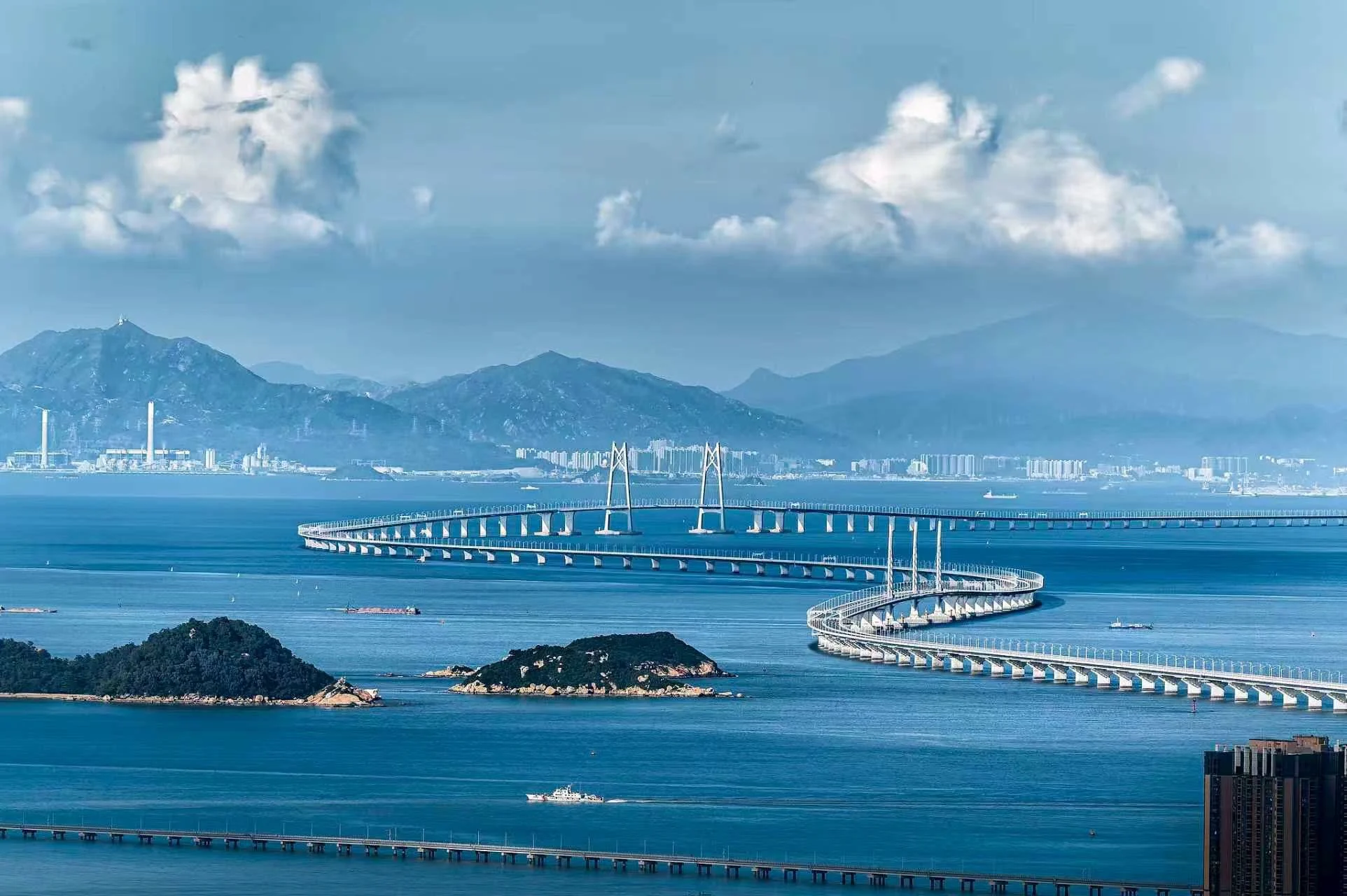


Shenzen, China (CGTN) – Once known as the world’s factory, Shenzhen has transformed into one of China’s leading technology and innovation centers, home to major companies developing drones, telecommunications equipment, artificial intelligence and robotics.
The southern Chinese city, which is hosting the 33rd Asia-Pacific Economic Cooperation (APEC) Economic Leaders’ Meeting, has emerged as a showcase of China’s ambitions to move beyond traditional manufacturing and compete in advanced technologies.
Over four decades, Shenzhen has evolved from a relatively small border city near Hong Kong into a major industrial and technology hub, driven by economic reforms, foreign investment, manufacturing expertise and an expanding research and development sector.
Its transformation began in 1980, when China designated Shenzhen as one of its first special economic zones, allowing it to experiment with market-oriented reforms and attract international businesses.
The policy helped turn the city into a major export manufacturing center, producing goods for companies and consumers around the world.
But Shenzhen’s economic development did not stop with assembly lines.
As China’s economy expanded, the city moved into higher-value industries, developing a technology ecosystem that combines research, product design, manufacturing and supply chain networks.
Today, Shenzhen is home to major Chinese technology companies, including telecommunications giant Huawei, internet and gaming company Tencent, and drone manufacturer DJI.
Their presence has helped establish the city as a center for advanced electronics, software development, unmanned aerial systems and emerging technologies.
Shenzhen has also become known for its ability to rapidly develop and manufacture hardware, supported by an extensive network of component suppliers, factories and engineering firms.
That industrial base has provided an advantage for technology companies seeking to move products from design to commercial production.
The city’s next phase of development is increasingly focused on artificial intelligence, robotics and research and development.
Universities, technology startups and established companies are working on applications ranging from intelligent machines to automated industrial systems.
The transition reflects China’s broader strategy of strengthening domestic technological capabilities amid growing international competition and restrictions affecting access to certain advanced technologies.
For Bert Hofman, a former World Bank country director for China, Mongolia and Korea, Shenzhen’s development offers a case study in how economic policy, industrial investment and entrepreneurship can reshape a city.
Hofman has explored Shenzhen’s history, industries and the decisions behind its transformation from a manufacturing center into an innovation-driven economy.
Author Zak Dychtwald, whose book Young China examines the country’s younger generation, has also explored the city’s emerging technology sector, including university robotics research, artificial intelligence startups and spaces supporting young innovators.
The developments highlight how Shenzhen is seeking to position itself in the next generation of technological competition.
Its emergence as a technology powerhouse also comes with challenges, including intensifying global competition, trade restrictions and concerns among some countries about dependence on Chinese technology and supply chains.
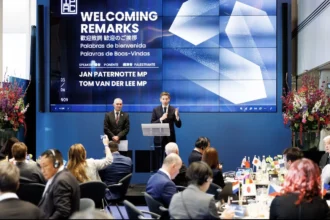
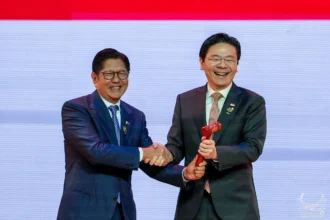
These issues are particularly relevant as APEC leaders gather in Shenzhen to discuss economic cooperation, innovation and regional connectivity.
China has placed openness, innovation and cooperation at the center of its 2026 APEC hosting agenda under the theme “Building an Asia-Pacific Community to Prosper Together.”