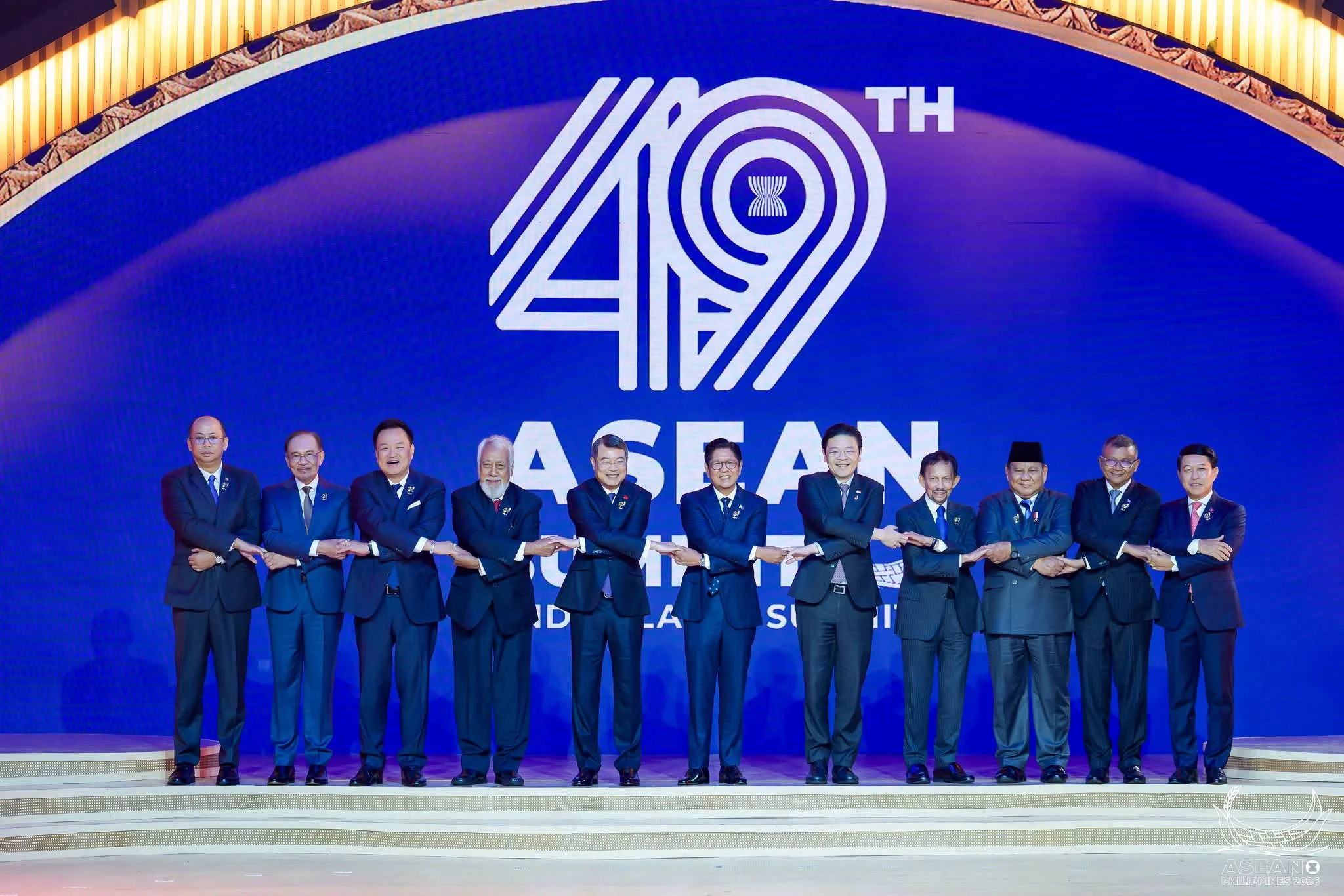


Metro Manila, Philippines – The Association of Southeast Asian Nations (ASEAN) is stepping up efforts to prepare for another potential oil shock, with the Philippines and Japan proposing energy stockpiling measures to protect regional economies from supply disruptions linked to the Middle East crisis.
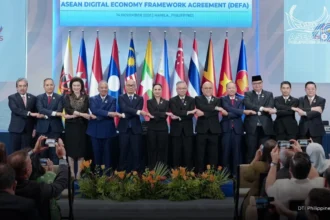
Speaking at a news conference after the 49th ASEAN Summit and Related Summits, President Ferdinand Marcos Jr. said the Middle East conflict had accelerated regional discussions on energy security, food supplies and stronger coordination among member states.
“And that is why so many proposals were made by the Philippines, including Japan, in terms of stockpiling our energy resources. And we are bringing all those efforts together,” Marcos said.
The president acknowledged that Southeast Asian countries remain vulnerable to external shocks, particularly disruptions in global energy markets that can drive up fuel prices and increase the cost of basic commodities.
He said ASEAN leaders had adopted the ASEAN Plus Three Leaders’ Statement on Maritime Trade and Logistics Connectivity, which seeks to strengthen energy and food security resilience amid external shocks and supply chain disruptions.
The ASEAN Plus Three framework brings together the 11 ASEAN members and China, Japan and South Korea.
Marcos said the initiative reflects the bloc’s commitment to keeping trade routes operational and protecting livelihoods from economic pressures originating outside Southeast Asia.
The president said stronger regional coordination would help countries prepare for future emergencies instead of responding only after disruptions begin affecting consumers.
“And hopefully in the future should anything like this happen again, we will be more prepared and we will not have to watch what we are watching now, our people suffering because of these shocks that are completely removed from anything that was done by ASEAN member states but nonetheless cause great hardship for our people,” Marcos said.
Disruptions in international energy markets can affect domestic fuel prices, transportation costs, electricity generation and food production, placing additional pressure on households and businesses.
Apart from energy stockpiling proposals, Marcos highlighted progress on the ASEAN Power Grid, a regional initiative aimed at strengthening electricity connectivity and facilitating cross-border power sharing.
The president said ASEAN leaders had made advanced efforts to operationalize an enhanced memorandum of understanding on the ASEAN Power Grid, providing a stronger institutional and regulatory foundation for regional electricity connectivity.
Marcos did not announce a timetable, funding mechanism, or agreed volume of petroleum reserves under the Philippines and Japanese proposals.