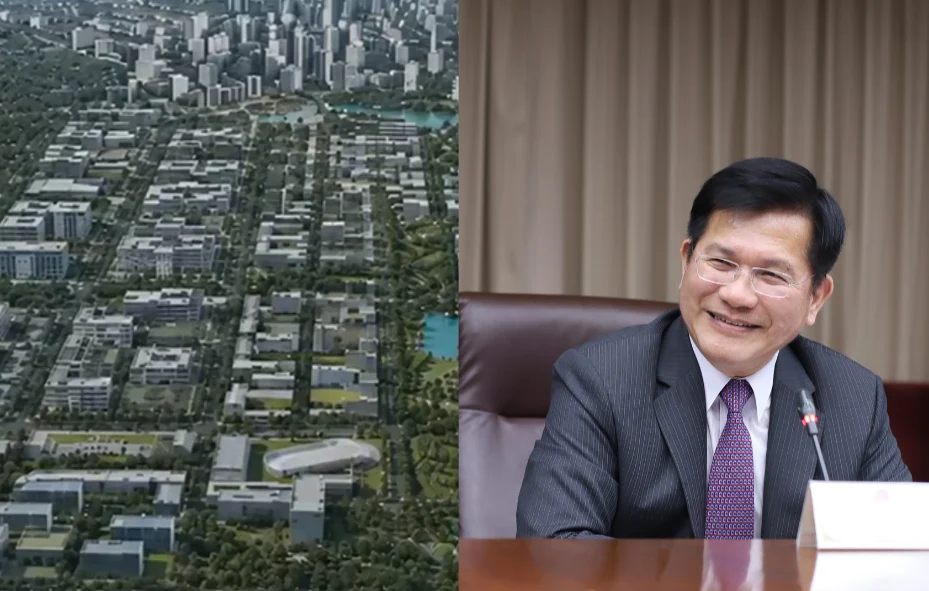


Taipei, Taiwan – Taiwan is looking to the Philippines’ planned Pax Silica hub in New Clark City in Tarlac for potential cooperation in semiconductors and artificial intelligence, as Taipei seeks a role in emerging trusted supply chains across the Indo-Pacific.
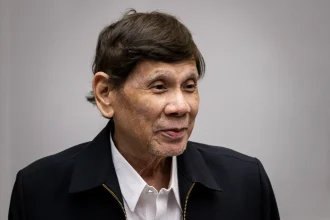
Taiwan Foreign Minister Lin Chia-lung said the proposed industrial hub could provide an opening for industrial cooperation between Taiwan and the Philippines under the US-led initiative.
“The US proposes Pax Silica to develop the trusted supply chain,” Lin said.
“When the United States proposes the economic security zone in New Clark City, I think Taiwan and the Philippines can seek to build an industrial cooperation,” he said.
Lin identified semiconductors and AI among potential areas for cooperation, along with drones, shipbuilding and undersea cables.
“We can start from economic integration to deepen our security cooperation,” he added.
No specific Taiwanese investment or agreement involving Pax Silica was announced.
Taiwan is a non-signatory participant in Pax Silica, but plays an outsized role in the global semiconductor industry and AI supply chain. Taipei joined the Pax Silica Summit in Washington in June at the invitation of the US State Department.
The Philippines, meanwhile, formally joined Pax Silica in April. The government is positioning a roughly 4,000-acre site in New Clark City as an industrial hub for AI, semiconductors, advanced manufacturing and other strategic industries.
The project, however, has faced scrutiny in the Philippines over its terms and potential impact on communities and natural resources, as well as concerns that the initiative could draw Manila deeper into the strategic and technological competition between the United States and China.
Church, environmental, and scientific groups have sought greater transparency over the project, including questions on land use, energy and water requirements and safeguards for affected communities.
The Marcos administration and the Bases Conversion and Development Authority have defended the project, saying Philippine laws will apply and environmental and community protections will be observed.
For Taiwan, Lin said economic security has become increasingly intertwined with traditional security as governments reassess their dependence on particular countries for critical technologies.
He said Taiwan could contribute its capabilities in semiconductors, AI, information and communications technology and advanced manufacturing while working with Southeast Asian economies on industrial development.
“We must think strategically about how investment, technology, talent exchanges and industrial ties can help us become more trusted and indispensable to one another,” Lin said.
Any deeper Philippine-Taiwan cooperation would also have to take place within Manila’s One China policy.
President Ferdinand Marcos Jr. has maintained that the Philippines will continue adhering to the One China policy even as Manila expands economic engagement with Taiwan.
China considers the self-governed island a renegade province.