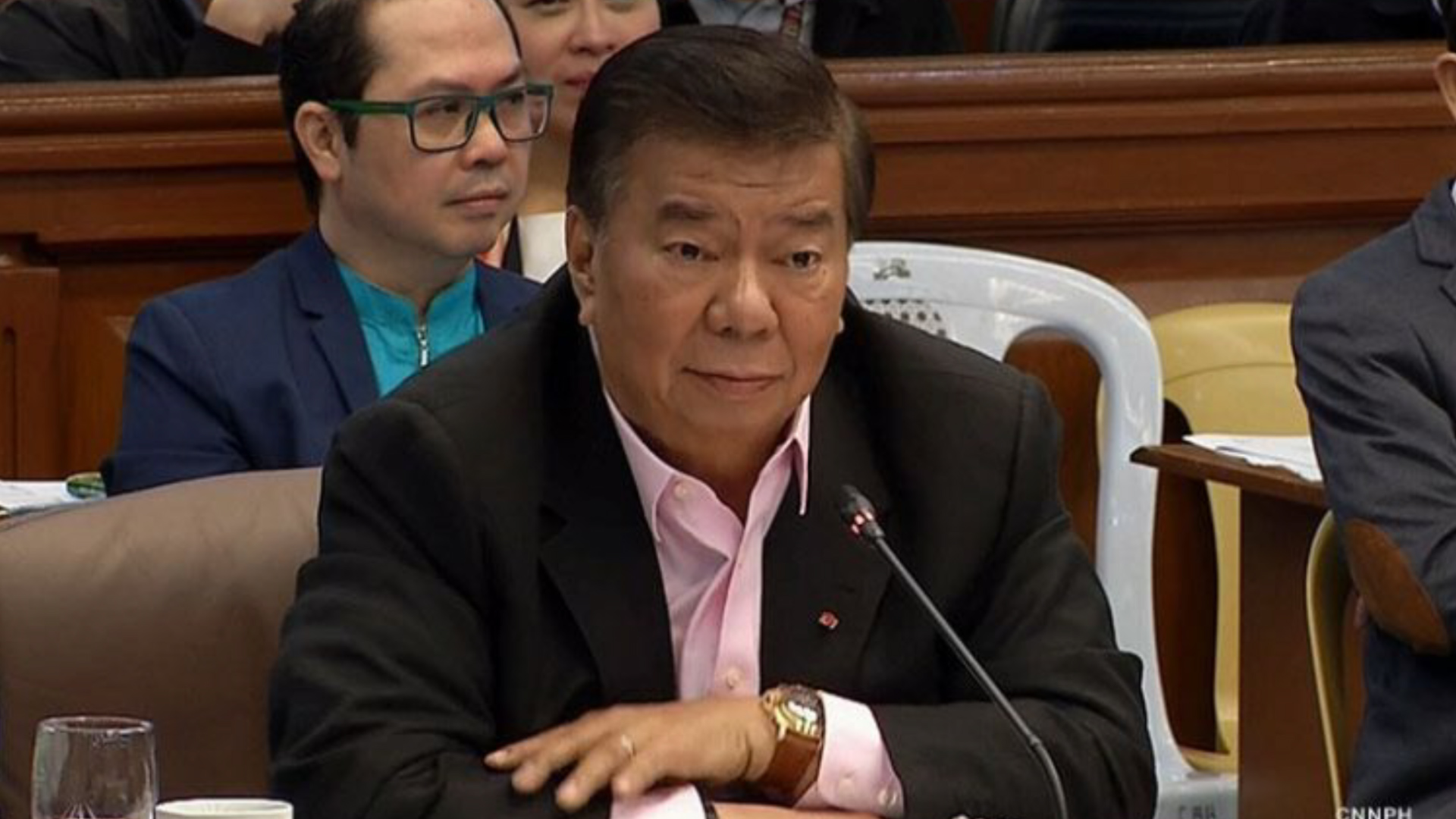


Metro Manila, Philippines – Former Senate President Franklin Drilon on Friday said the Marcos administration’s plan to create an Independent People’s Commission (IPC) to investigate corruption could help strengthen accountability — but only if the body is structured to be truly independent and does not merely duplicate the work of the Office of the Ombudsman.
In an interview on The Newsmaker, Drilon said the IPC’s main function, as envisioned, is fact-finding — a task already assigned to the ombudsman under existing law. Still, he acknowledged that the scale of corruption in government may warrant additional investigative capacity.
“Because of the magnitude of corruption we are seeing, perhaps the ombudsman needs help,” Drilon said. He added that the IPC could “deepen and speed up” investigations if designed correctly.
Drilon stressed that an IPC created through an executive order should eventually dissolve once Congress passes a permanent charter for the body.
“When the law creating the IPC is enacted, the commission formed by executive order should no longer exist,” he said.
For the proposed commission to function effectively, Drilon said three safeguards are essential: security of tenure, independent budgeting, and clear investigative powers. These would shield the commission from political interference. “The key is who will lead it — independence depends entirely on the quality and integrity of the appointees,” he said.
The former Senate leader said the appointing authority must remain with the president, consistent with the Constitution, though appointees must be scrutinized by the public and the media to ensure the commission does not become “another political weapon.”
Malacañang earlier said lawmakers should study the proposal carefully to prevent the IPC from being weaponized against political rivals. Drilon said this risk exists in any democracy but can be managed through transparency. “We rely on public oversight to call out abuses,” he said.
Under the administration’s plan, the IPC would support — but not replace — the Ombudsman, which retains the exclusive power to prosecute corruption cases. Drilon emphasized that the IPC should have a sunset clause to avoid becoming a permanent bureaucratic layer. After a set period, he said, “the ombudsman should resume full responsibility.”
The proposal to establish the IPC comes as the government faces heightened scrutiny over alleged misuse of funds, including confidential and intelligence allocations and billions in unprogrammed appropriations. Drilon said improving investigative tools is important but must be matched by strict oversight in budget execution.
“It’s not only about what Congress authorizes,” he said. “Corruption happens in implementation, and every mechanism that strengthens detection and accountability is valuable — provided it remains independent.”
Congress is expected to take up the IPC proposal in the coming legislative sessions as part of the administration’s broader anti-corruption agenda.