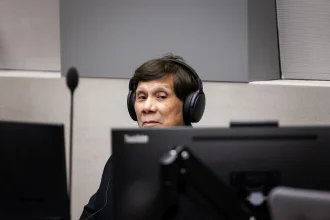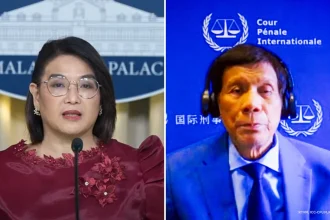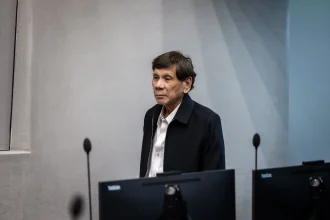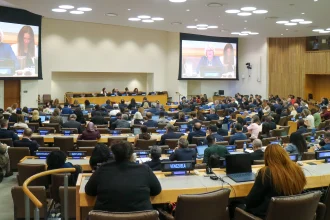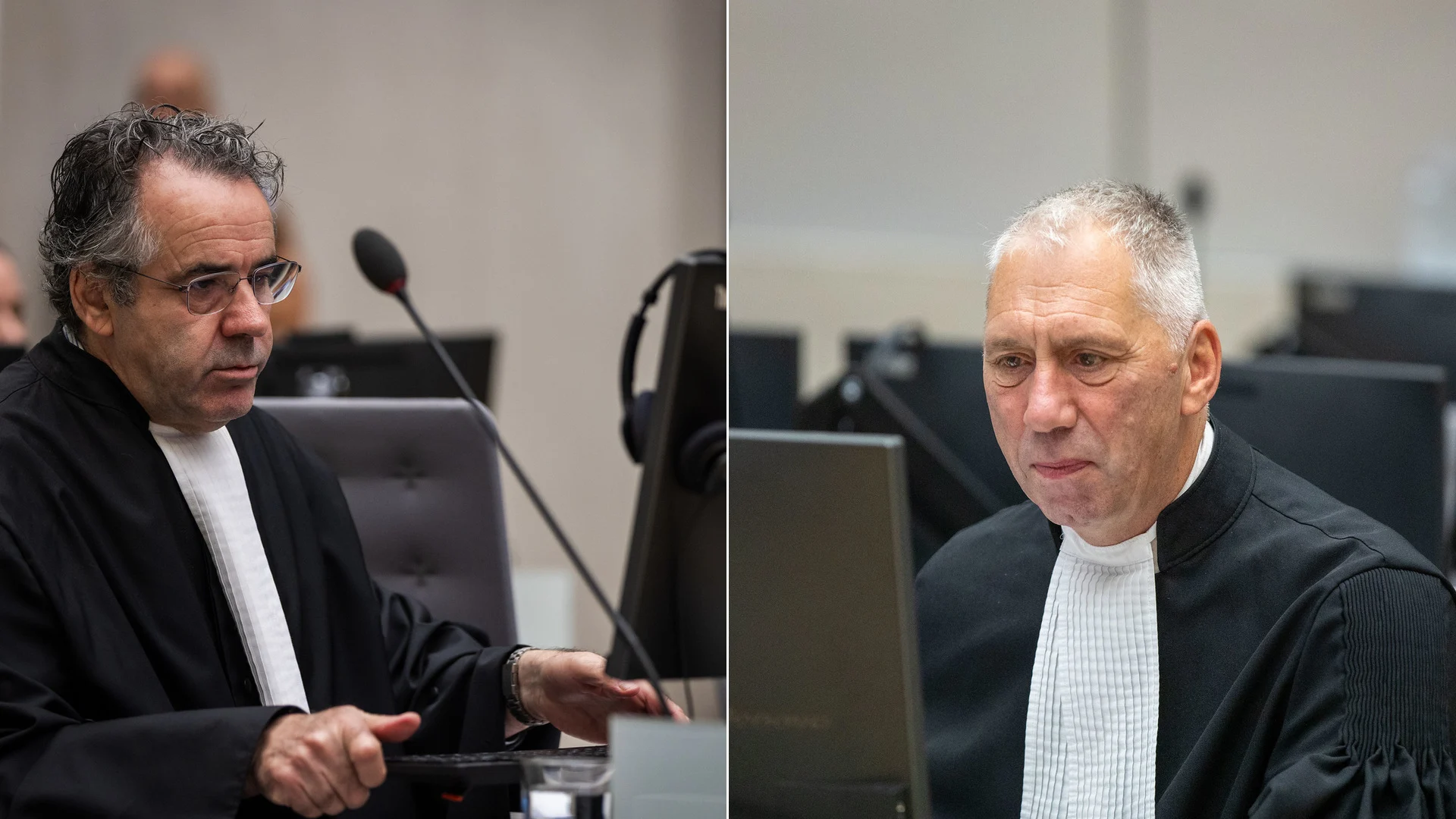

Metro Manila, Philippines – Former President Rodrigo Duterte’s defense team and International Criminal Court prosecutors clashed Tuesday, Oct. 13, over allegations that artificial intelligence was used to process thousands of documents on drug war killings, raising questions about the reliability of figures being prepared for his crimes against humanity trial.
During the fourth status conference in The Hague, defense lawyer Peter Haynes questioned a spreadsheet summarizing drug war deaths, alleging that it included murders unrelated to anti-drug operations.
Haynes claimed that the dataset contained killings involving jealous lovers, tenant disputes and disgruntled employees, arguing that the defense could not accept the prosecution’s figures without independently examining the underlying records.
“The prosecution haven’t done it humanly. They’ve effectively passed it through an AI,” Haynes told the judges.
He also challenged the accuracy of the spreadsheet, saying the defense had already identified cases that appeared unrelated to the government’s campaign against illegal drugs.
“The spreadsheet is AI generated, and our little inquiry into it reveals that there are murders there that have got nothing to do with the war on drugs,” Haynes said.
ICC prosecution lawyer Julian Nicholls immediately rejected the accusation.
“It is completely untrue,” said Nicholls.
He maintained that analysts had manually reviewed the entire dataset, while lawyers had examined portions of the material.
“We’ve gone through all of it, lawyers some of it, page by page, human manual, 100%,” Nicholls said.
The prosecution explained that the broader collection included deaths during police operations and other killings investigated in connection with the drug war.
Nicholls said analysts had separated cases unrelated to police operations from the proposed figure of approximately 3,400 deaths that prosecutors wanted the defense to acknowledge.
He insisted that the figure did not include every killing contained in the dataset.
Dispute over thousands of documents
The disagreement extended to the volume of documentary material and whether the defense should agree to facts drawn from records that were not all included in the prosecution’s formal evidence list.
Haynes referred to approximately 44,000 documents, arguing that the defense could not accept figures without being able to independently establish them through the material prosecutors intended to present at trial.
He questioned why the prosecution was seeking agreement on facts based on documents that were not all listed as evidence.
“So what they are, in fact, inviting me to do is agree things they cannot properly or possibly prove by reference to their list of evidence,” Haynes said.
The defense lawyer also argued that reviewing the material thoroughly could take a year, citing the scale of the dataset and the need to identify killings unrelated to anti-drug operations.
Nicholls rejected the suggestion that prosecutors had relied on an automated process instead of a manual examination.
He said analysts had reviewed and counted the records, separating deaths during police operations from other killings included in the broader collection.
The prosecution also maintained that it had offered to work with the defense to verify the figures, including proposals for a joint review or the involvement of an expert.
Haynes refused to agree to the proposed figures without further examination.
Duterte administration report cited
The dispute followed the prosecution’s presentation of a 2017 year-end accomplishments report published by the Duterte administration’s Presidential Communications Operations Office.
Under a section titled “Fighting Illegal Drugs,” the report listed 3,967 drug personalities who died during anti-drug operations from July 1, 2016, to Nov. 27, 2017.
Nicholls cited the government document to support the prosecution’s assessment of the scale of drug war deaths, arguing that its count of 3,422 deaths was lower than the figure reported by the Duterte administration.
Prosecutors also sought the defense’s agreement to a figure of approximately 3,400 deaths during police anti-drug operations, which could narrow the factual issues requiring examination during trial.
Haynes rejected the proposal, maintaining that the defense needed to independently verify the records before accepting the prosecution’s figures.
Duterte faces three counts of crimes against humanity involving alleged murders and attempted murders linked to his administration’s anti-drug campaign and earlier killings during his tenure as Davao City mayor.