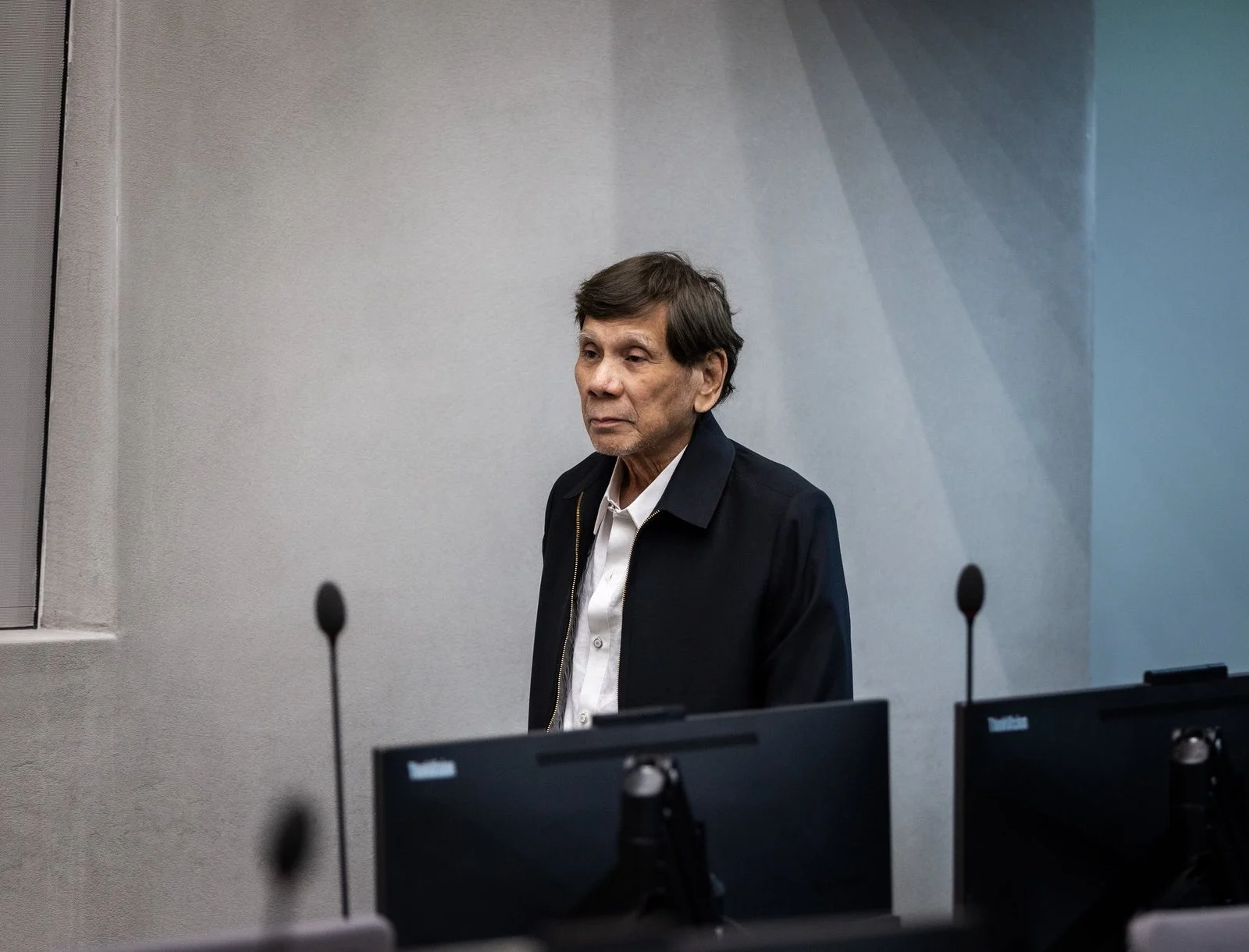


Metro Manila, Philippines – The International Criminal Court (ICC) has ruled that former President Rodrigo Duterte is fit to stand trial, clearing a major hurdle ahead of the scheduled opening of proceedings on Nov. 30.
In a decision dated Sept. 28 and made public Thursday, Oct. 8, Trial Chamber III found that Duterte has the capacity to understand the charges against him and effectively exercise his right to a fair trial.
The ruling was based on the unanimous findings of an independent panel of medical experts, along with submissions from the parties and participants in the case.
According to the ICC, the panel concluded that Duterte can understand the purpose and consequences of the proceedings, follow the trial, comprehend the evidence presented against him, and instruct his lawyers in preparing and conducting his defense.
The experts also determined that the former president understands the nature and implications of entering a plea.
“The Chamber was satisfied that the Accused is able to effectively exercise his fair trial rights in the proceedings,” the ICC said in its statement.
The judges also adopted measures to accommodate Duterte’s medical condition and ensure his effective participation throughout the trial.
Rather than imposing fixed hearing hours, the chamber decided to assess sitting schedules on a case-by-case basis, taking into account the individual circumstances of witnesses and the accused.
The chamber further instructed the ICC Registry to ensure Duterte’s health is continuously monitored by the medical officer at the court’s detention center.
Any changes in his medical condition must be immediately reported to the judges through the appropriate procedures.
Duterte faces charges of crimes against humanity involving murder and attempted murder in connection with killings allegedly committed during his anti-drug campaign and earlier tenure as Davao City mayor.
He has been detained in The Hague since March 2025.
The trial is scheduled for Nov. 30, although the chamber has yet to release detailed instructions on the conduct of the proceedings, including hearing schedules and arrangements for public attendance.