
Metro Manila, Philippines – Scheduling a trial date for former President Rodrigo Duterte has become complicated due to concerns over his health, age, and the large volume of evidence expected to be presented before the International Criminal Court.
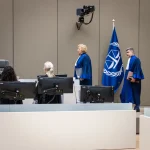
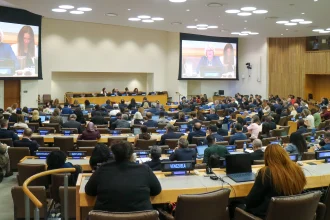
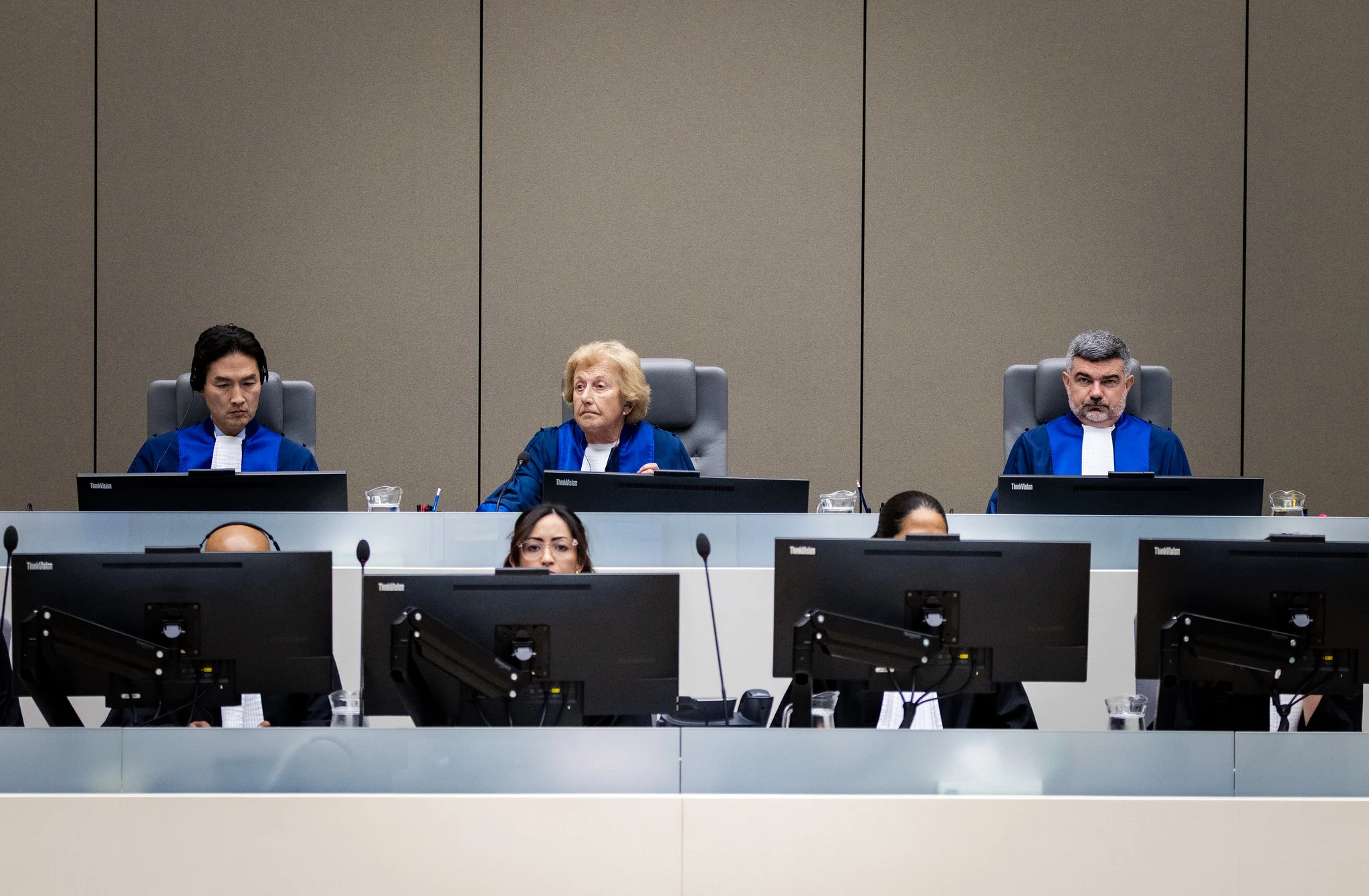
During the first status conference before ICC Trial Chamber III in The Hague, Presiding Judge Joanna Korner repeatedly stressed the need for both the prosecution and defense to streamline evidence and narrow disputed issues to avoid unnecessarily lengthy proceedings.
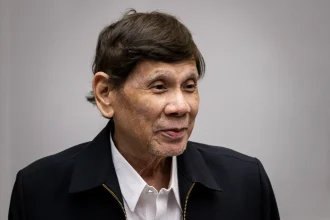
“There are pressing reasons… which mandate that we really should start this trial as soon as possible, which is basically the health of your client,” Korner told Duterte’s lead defense counsel Peter Haynes.
The judge said the chamber expects the presentation of evidence to be kept “to the minimum possible,” especially given Duterte’s medical condition and age.
“It really is incumbent because of the health of the accused, that the evidence is kept to the minimum possible,” Korner said.
She also warned against repetitive witnesses and duplicative evidence.
“The chamber would not expect to hear from witnesses all saying the same thing,” the judge said.
Korner further questioned the prosecution’s plan to submit 197 speeches as part of its evidence package.
“197 speeches seems to me, on the face of it, too much — particularly if they say the same thing,” she said.
The presiding judge said one of the chamber’s priorities before finalizing a trial calendar is the “early identification of the real issues of the case” and determining which facts may already be agreed upon by both parties.
She added that evidence presentation, whether disputed or undisputed, “must take place in the shortest and clearest way.”
ICC prosecutors earlier proposed a Nov. 30, 2026 trial date, saying they would need several more months to complete evidence disclosure and witness preparations.
Duterte’s defense team, however, stopped short of committing to a specific trial date, arguing they still need enough time to review evidence and assess Duterte’s medical condition.
“We will be ready for whenever you want it to start,” Haynes told the chamber, while cautioning against compressing defense preparation timelines.
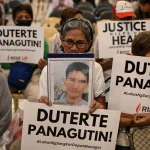
Victims’ counsel Paolina Massidda said victims of the Duterte drug war wanted proceedings to begin immediately but are willing to proceed with the proposed November schedule.
“Victims would like this trial to start tomorrow,” Massidda said.
The ICC Registry also raised logistical concerns, including the limited availability of interpreters for Filipino languages expected to be used by some witnesses during trial.
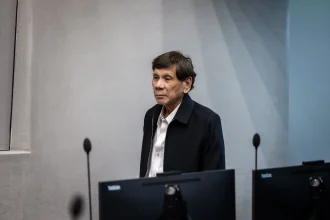
Duterte, who remains detained at the ICC facility in The Netherlands, waived his appearance during the status conference.