
Metro Manila, Philippines – The International Criminal Court flagged possible interpretation and translation challenges in the upcoming trial of former President Rodrigo Duterte, citing the limited pool of qualified interpreters for Filipino languages expected to be used by witnesses.
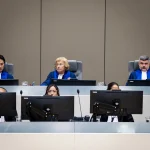
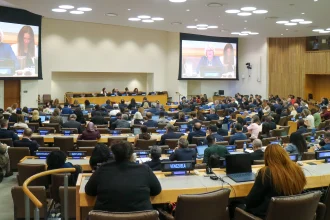
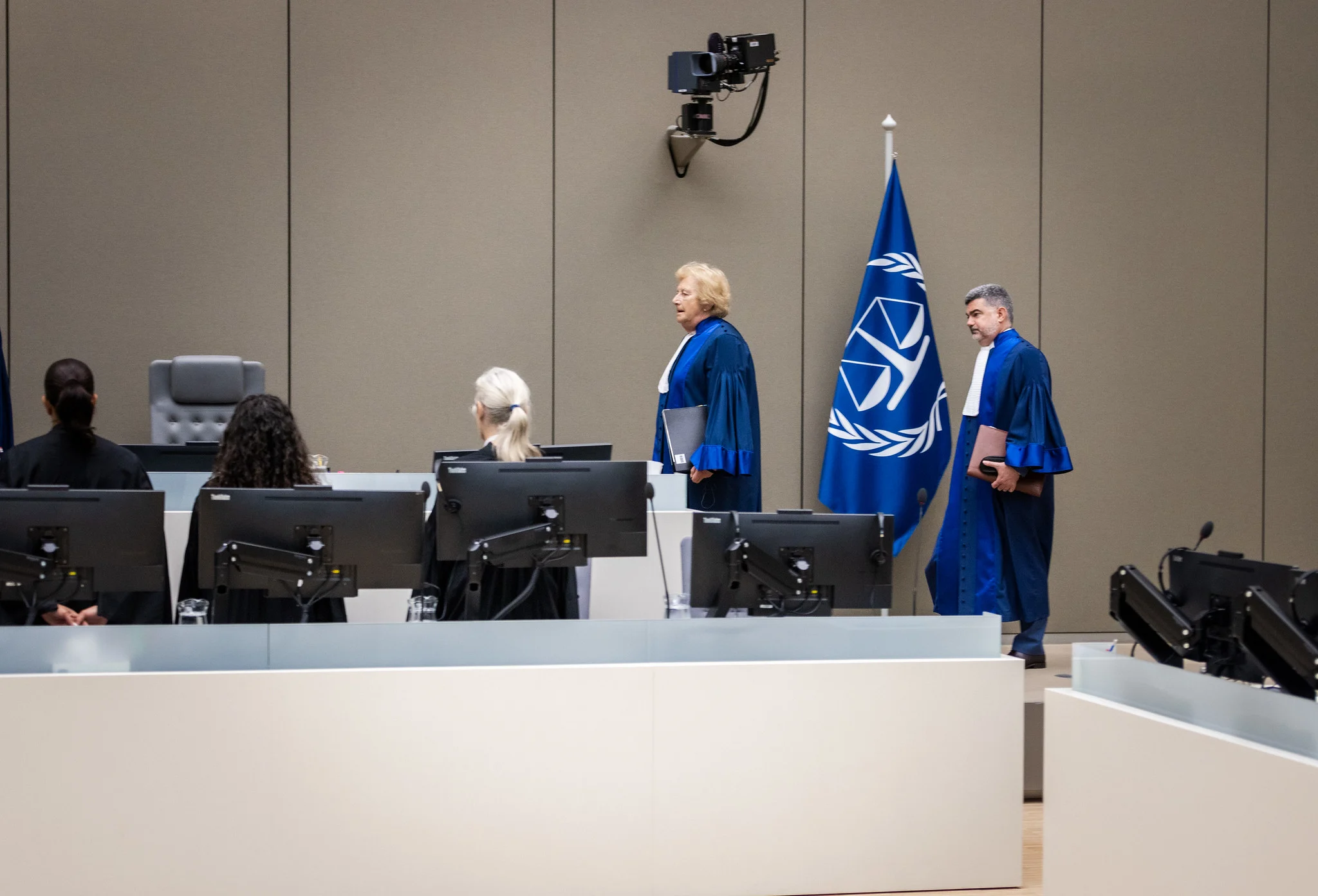
During the first status conference before ICC Trial Chamber III in The Hague, officials from the ICC Registry told the chamber that interpretation logistics remain one of the operational concerns ahead of trial preparations.
The Registry said the court is already working to identify and recruit interpreters capable of handling Filipino-language testimony and legal interpretation requirements.
“There are not many interpreters available for some of the languages involved,” Registry officials told the chamber.
The Registry explained that interpretation work in ICC proceedings requires highly specialized personnel familiar not only with Filipino languages but also with legal terminology, courtroom procedures, and simultaneous interpretation standards used in international tribunals.
Officials also noted that witness participation, translation of disclosures, and interpretation during hearings all require significant preparation and coordination.
Presiding Judge Joanna Korner acknowledged the logistical hurdle during discussions on the possible trial calendar.
“There are issues with interpretation,” Korner said while discussing witness scheduling and evidence presentation.
The judge suggested that the chamber may initially prioritize English-speaking witnesses while the Registry continues arranging interpretation support for other witnesses expected to testify in Filipino or local dialects.
The prosecution said that there is “huge interest in the Philippines in these proceedings,” prompting discussions on how language accessibility could affect public engagement with the case.
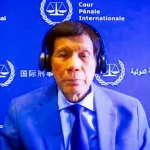
The interpretation issue surfaced as the ICC continues weighing how soon Duterte’s crimes against humanity trial could begin.
Prosecutors earlier proposed a Nov. 30, 2026 trial date, while Duterte’s defense team argued they still need more time to review evidence and prepare for proceedings.
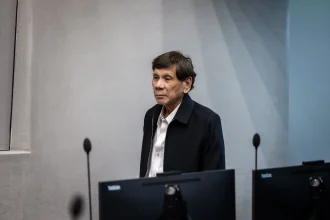
Korner said the chamber wants evidence presentation to remain concise and efficient due to Duterte’s age and health.