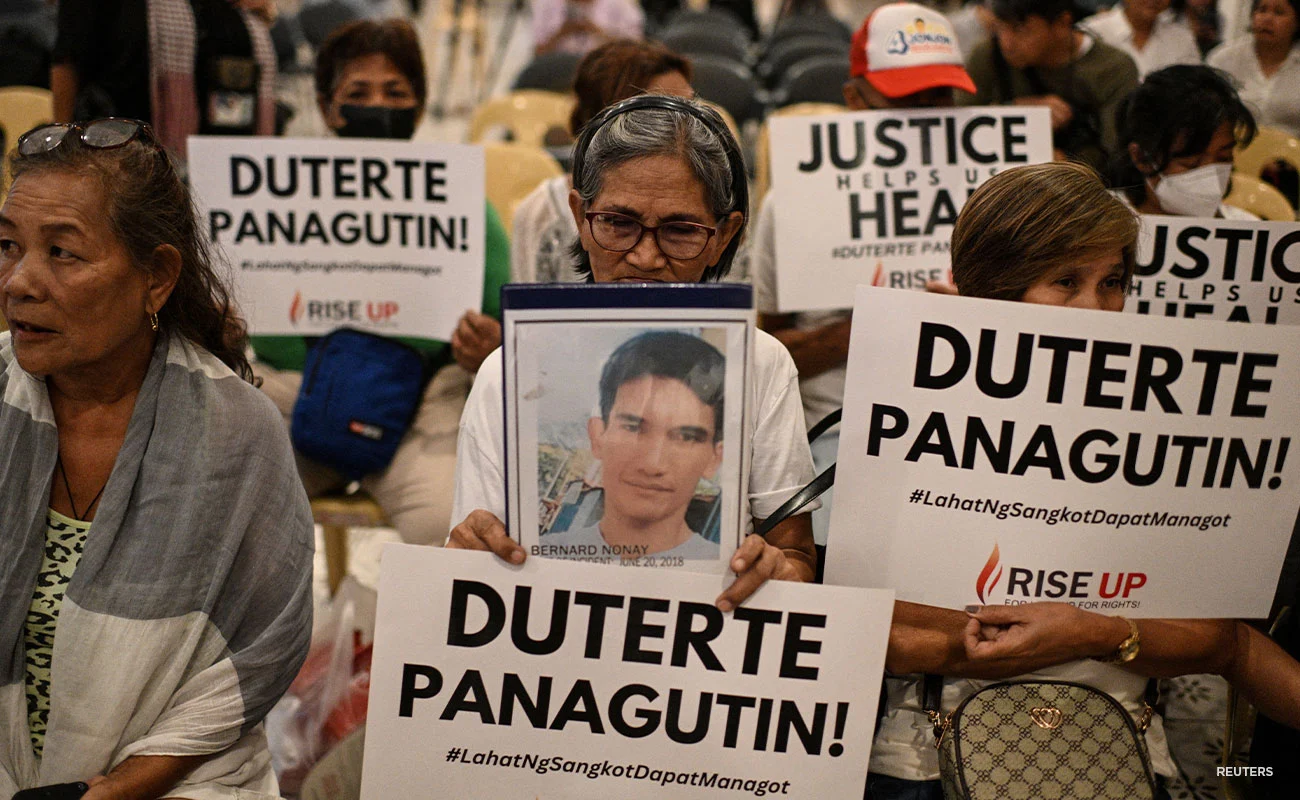

Metro Manila, Philippines – A commission was launched in the Philippines on Wednesday led by a former International Criminal Court judge to investigate a bloody “war on drugs”, aiming to document alleged extrajudicial killings and compile evidence for potential legal cases.
Police say about 6,200 drug suspects were killed while resisting arrest during anti-drug operations, but some human rights groups estimate the real death toll in former President Rodrigo Duterte’s notorious crackdown was in the tens of thousands.
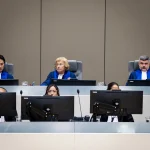
Duterte, president from 2016-2022, was arrested last year and is currently in The Hague awaiting trial at the ICC for alleged crimes against humanity, which he denies.
Investigations by Philippine authorities into alleged unlawful killings by police have made little progress, with only a few prosecutions so far.
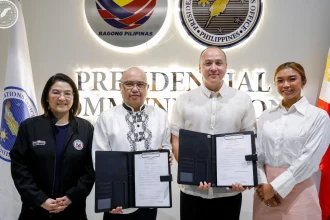
The civilian-led Philippine Truth and Reconciliation Commission will operate independently of government control and said it seeks to pursue accountability and create a “credible public record of extrajudicial killings and related abuses”.
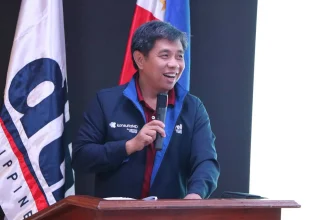
“This is not about replacing the courts or assigning guilt. It is about building a credible truth record that can guide accountability, healing, reform, and the prevention of future violence,” said commission chair and former ICC judge Raul Pangalangan.
EVIDENCE-BASED RECOMMENDATIONS
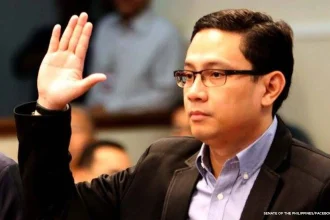
The commission’s launch coincides with an ongoing manhunt for Duterte’s top lieutenant, former police chief Ronald dela Rosa, a high-profile senator wanted by the ICC for alleged crimes against humanity. He has denied inciting or involvement in unlawful killings.
The commission will hold public hearings where participants may include victims, families, witnesses and former perpetrators, subject to protection measures.
“The Truth Commission exists so these stories can be heard, verified, preserved and acted upon,” said Cardinal Pablo Virgilio David, an advisor to the commission and former head of the Catholic Bishops Conference, the country’s largest church group.
The war on drugs was the signature policy of Duterte, a maverick southern mayor who won an election on promises to kill thousands of drug dealers and criminals.
Within weeks of his victory, drug-related killings spiked dramatically and captured global attention, with fatal shootings during police drugs bustsand mysterious murders of users a nightly occurrence across Manila’s poorest communities.
Activists accuse police of systematic murders, cover-ups and staged crime scenes. Police reject that and have denied involvement in the spree of slum killings that occurred parallel to their operations, blaming those on turf wars and vigilantes.
The commission said it would prepare evidence-based recommendations and referral-ready case files for agencies like the justice ministry, police and National Bureau of Investigation, the Philippine equivalent of the U.S. Federal Bureau of Investigation.
The commission’s members include former human rights researchers and specialists in forensics and trauma. It will issue public findings every six months, with a final report at the end of its mandate.
(Reporting by Nestor Corrales; Editing by Martin Petty)