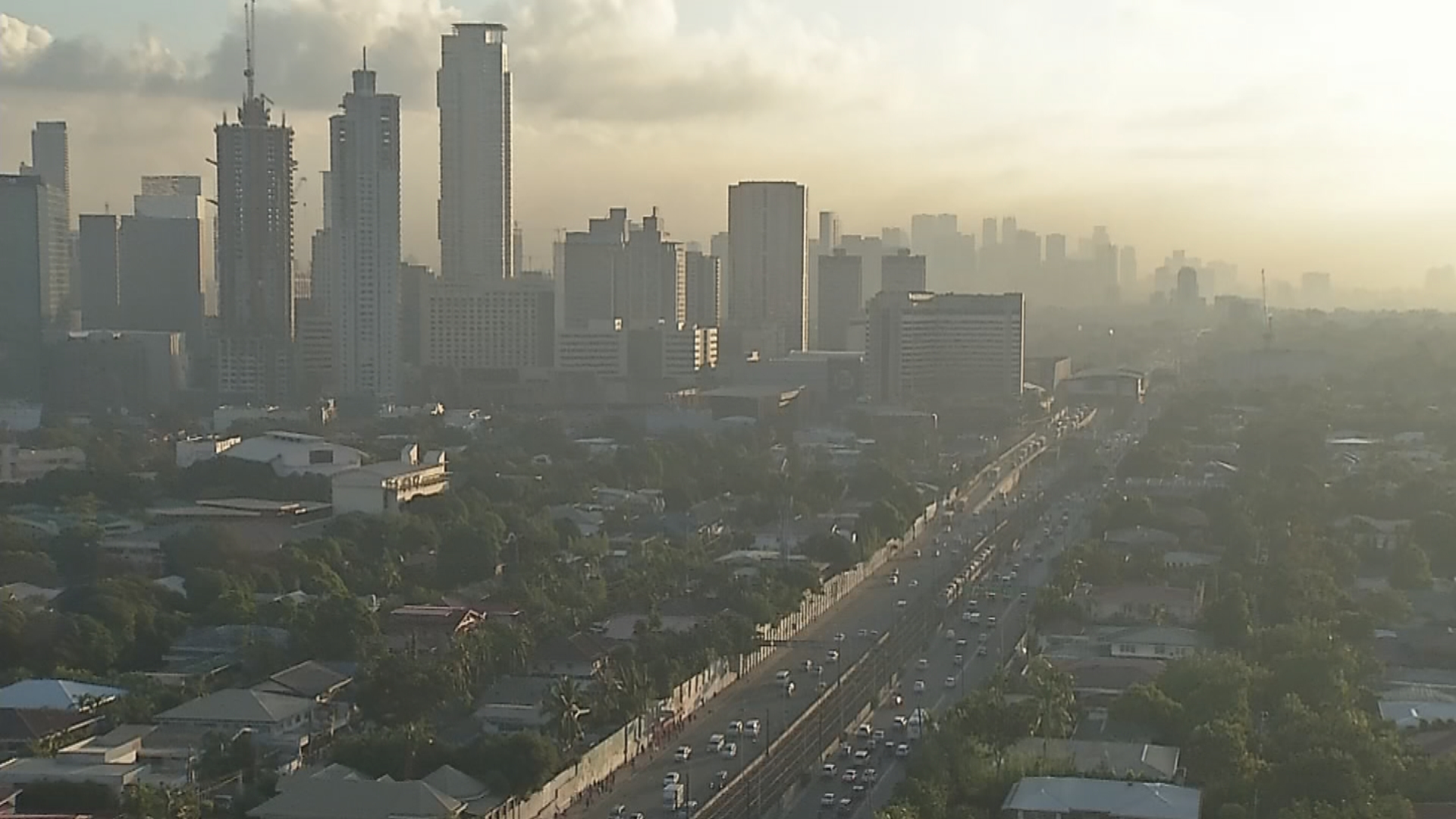


Metro Manila (CNN Philippines, November 29) — The Philippines has retained its ‘BBB+’ long-term and ‘A-2′ short-term sovereign credit ratings from S&P Global, which the government said shows investors’ confidence in the country’s economy.
\”The credit rater expects that the Philippines’ economic growth will remain well above the average among its peers due to the government’s ongoing efforts to address infrastructure gaps and improvements in the business climate through regulatory and tax reforms, which will further support expansion in economic productivity,\” the Department of Finance (DOF) said citing S&P Global’s Nov. 28, Tuesday report.
The ‘BBB+’ credit rating means that the country is a stable entity with robust capacity to meet financial commitments. It is a notch closer to the minimum rating for the ‘A’ level, which affirms the country’s stability and the government’s ability to pay its loans. A better rating allows nations to avail cheaper debts overseas.
\”We continue to pursue the Road to A under President Marcos Jr’s administration,\” Finance Secretary Benjamin Diokno said in a statement.
The credit rating agency said that the stable outlook signifies its expectation that the Philippines will be able to maintain its \”healthy growth rates\” and the fiscal performance will be better over the next 24 months.
It said that reforms on the business, investment, and tax fronts should benefit growth over the next three to four years.
S&P Global said it projects 5.4% GDP growth this year, noting a slowdown growth effect compared to last year due to external macroeconomic developments and a high base.
READ: S&P affirms PH’s ‘BBB+’ long-term, ‘A-2’ short-term credit ratings
\”The government’s fiscal and debt settings have deteriorated due to the economic fallout from the pandemic and the associated extraordinary policy responses. Fiscal buffers built through a long record of prudence before the pandemic have thinned, but we expect a consolidation as the economy recovers,\” it added.