

Metro Manila (CNN Philippines, September 8) — The Department of Transportation (DOTr) on Friday said it has not detected anything suspicious at the Metro Rail Transit-3 (MRT-3) following a bomb threat this morning.
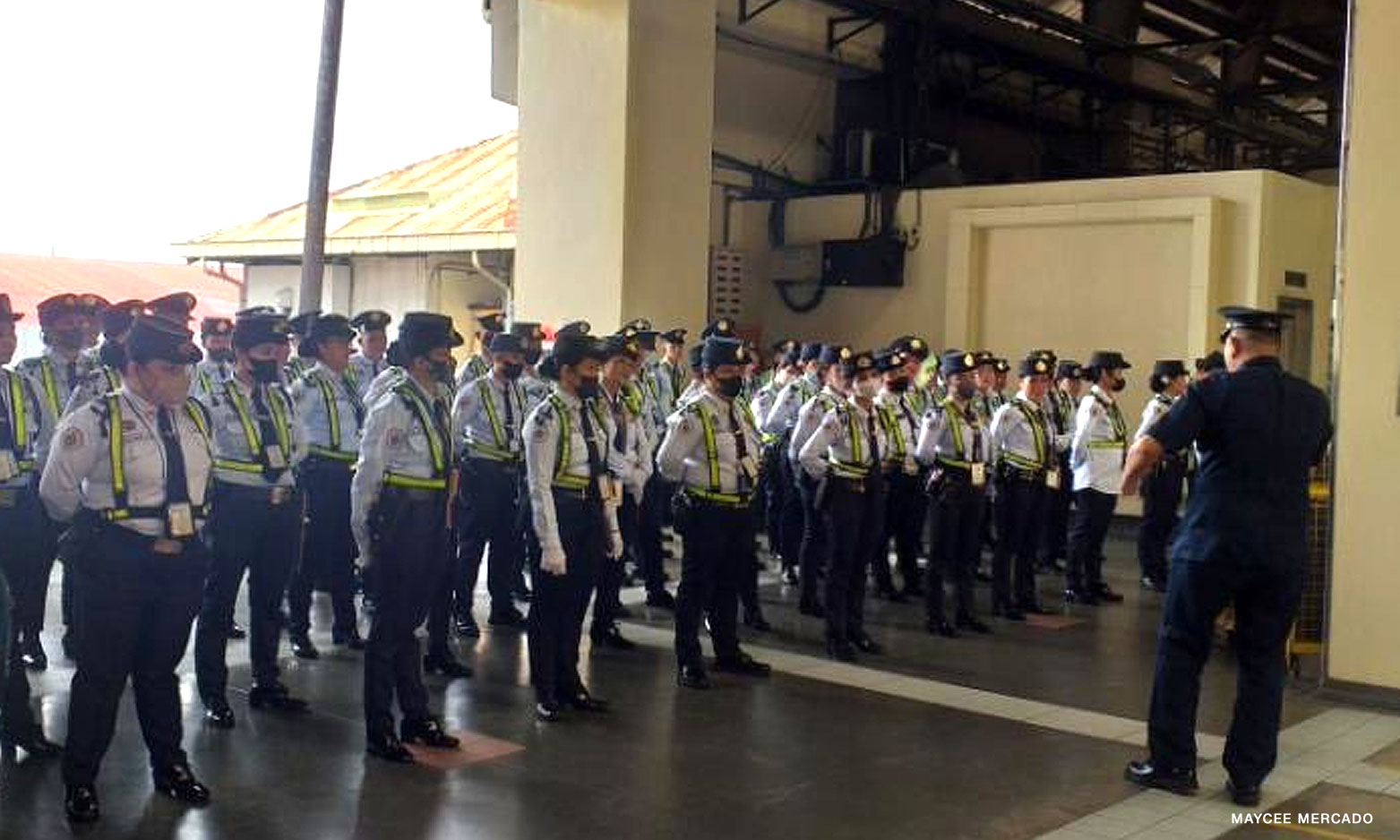
“After thorough inspection by our security personnel in critical infrastructure of all transportation systems, particularly MRT-3 system, we have not detected any trace of any items that might constitute a threat to the traveling public,” the DOTr said in a statement.
The hoax bomb threat forced the DOTr to form an inter-agency task force to enhance security in all transportation sectors. But MRT-3 operations were not suspended.
The threat sent via email was attributed to a certain Takahiro Karasawa. It claimed that a bomb will detonate in the MRT-3 system on Friday afternoon.
DOTr-Office for the Transportation Security Undersecretary Mao Aplasca, administrator of Office for Transportation Security, pointed out that other government agencies abroad have also received the same email in the previous months.
\”We realized and based on our research kaninang umaga (based on our research in the morning), the same threat was also sent to different agencies in other countries [such as] Japan, Korea, Taiwan,\” he told CNN Philippines’ News Night.
According to a report by Yonhap News Agency on Aug. 17, Karasawa has denied sending the bomb threat and cried foul for using his name without permission.
Aplasca also said that other Philippine government offices have also received the same email, including the Philippine Nuclear Research Institute, Bureau of Plant Industry and the Philippine Economic Zone Authority.
He added that the DOTr is trying its best to figure out the real person behind the email.
Moreover, the DOTr said it will maintain enhanced security protocols in MRT-3.
The agency also warned that making bomb threats or spreading false information is punishable by law.
Under Presidential Decree 1727, such acts could lead to imprisonment of up to five years, or a fine of not more than P40,000.
Meanwhile, the Anti-Terrorism Act of 2020 penalizes bomb threats with 12 years of imprisonment.