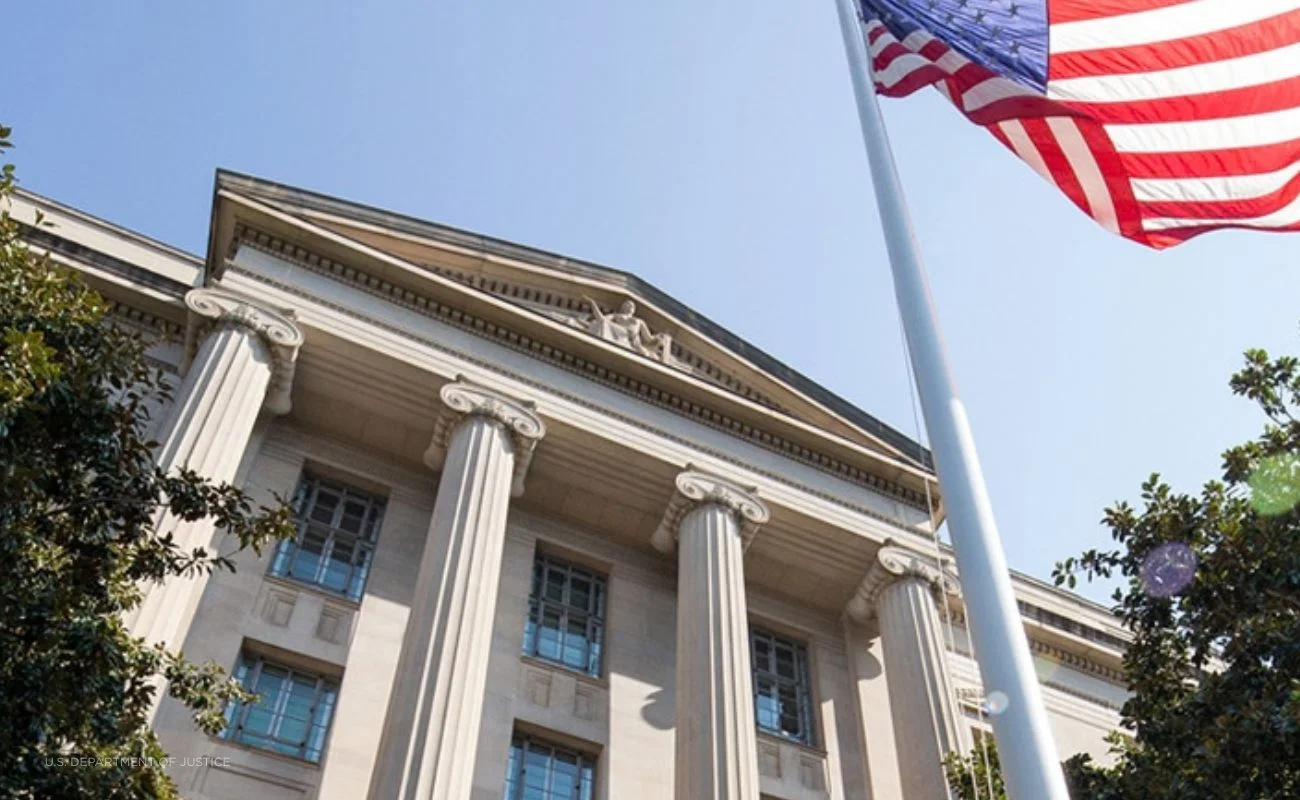

Metro Manila, Philippines – Two Filipino-Americans are among 40 people facing the revocation of their naturalized citizenship in the United States for a number of offenses, according to a press statement from the US Department of Justice.
Arnel Tabafunda, 47, allegedly sexually abused a minor during the pendency of naturalization in which he was required to “demonstrate good moral character.”
He was found guilty of committing lascivious acts upon a child only after he obtained US citizenship in September 2005.
Ramon Navarro, 68, is facing the same case for allegedly entering into a fraudulent marriage to acquire citizenship.
Attorney General Todd Blanche called the move the largest single-period filing under the Trump administration.
“From an individual convicted of espionage to others convicted of sexual offenses against minors, these defendants concealed critical facts from the US government and represent serious criminal offenders,” Blanche was quoted as saying in the statement.
“This administration will continue to pursue the largest denaturalization effort in department history to restore trust and integrity in US citizenship. Our message is clear: the United States will not tolerate deception in the naturalization process,” Asst. Attorney General Brett Shumate added.
The U.S. Immigration and Nationality Act expressly states that an American citizenship may be revoked if proven that the process of naturalization was “illegally procured or procured by concealment of a material fact or by willful misrepresentation.”
The largest number of cases were against individuals whose country of origin was Mexico, with 11 individuals facing pending denaturalization proceedings, followed by Pakistan and China with four individuals each.
Egypt, Nigeria, Ghana, and the Philippines all recorded two persons each with filed cases against them. Cameroon, Colombia, Cuba, India, Peru, Sierra Leone, Venezuela, Cambodia, and Haiti each have one person facing the same charges. A lone person was listed with unknown citizenship.
NewsWatch Plus intern Isabelle Rubio contributed to this report.