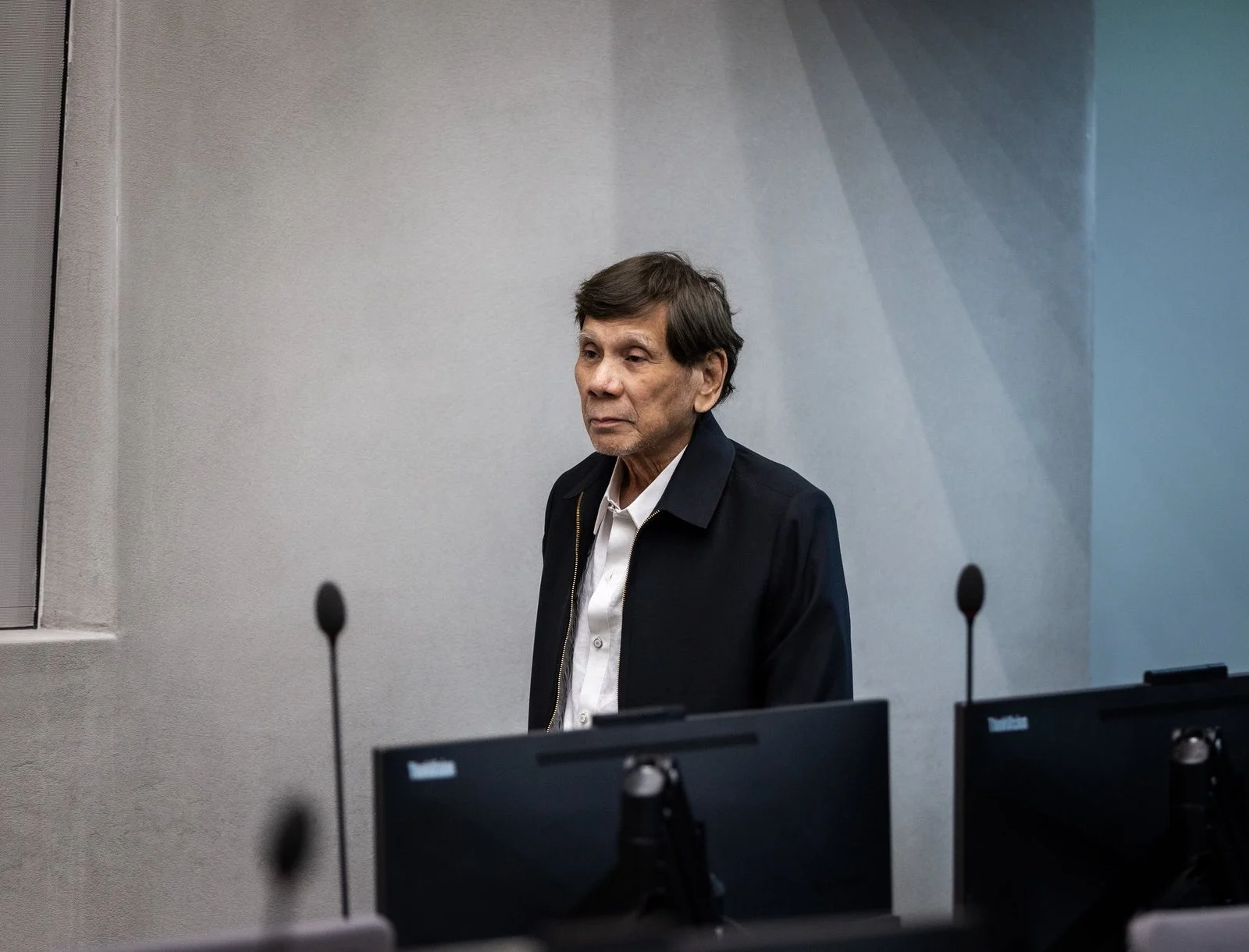


Metro Manila, Philippines – Former President Rodrigo Duterte appeared inside an International Criminal Court courtroom for the first time Wednesday, Sept. 16, as judges pushed prosecutors to reduce witnesses and streamline their case to prevent his crimes against humanity trial from dragging on.
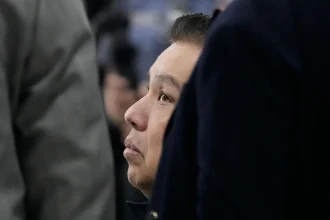
Duterte, 81, personally attended the third status conference before ICC Trial Chamber III in The Hague, his first public appearance since March 2025. He wore a dark suit and white shirt and did not speak during the proceedings.
“This is the first time that Mr. Duterte has been in this court,” Presiding Judge Joanna Korner said at the start of the hearing.
Korner told Duterte’s lead counsel Peter Haynes that the former president could leave the courtroom at any point without seeking permission from the judges.
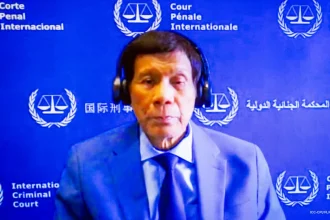
The appearance marked a significant change for Duterte, who had previously participated in his March 14, 2025 initial appearance through video link from the ICC detention center and was later allowed to waive his attendance at other proceedings, including the confirmation of charges hearing.
The ICC confirmed all three crimes against humanity charges against Duterte in April and committed him to trial. His trial is scheduled for Nov. 30.
Streamlining trial
A major focus of Wednesday’s conference was how long prosecutors would need to present their case.
Prosecutors have estimated they would need 193 hours to examine their witnesses, excluding the additional time that would be required for cross-examination by Duterte’s defense and questioning by lawyers representing victims.
Korner said the Chamber was concerned about the length of the proceedings, particularly because medical reports indicate there will be limitations on the number of hours the court can sit.
“We are very anxious that this prosecution case concludes as swiftly as is possible in the circumstances,” Korner said.
The judge urged prosecutors to reconsider the number of witnesses they intend to call, pointing in particular to several experts who appear to cover the same subjects.
“It really is important, even more important than all, that we conclude the case as quickly as possible,” Korner said, warning that judges could scrutinize the prosecution’s witnesses individually at the next status conference if prosecutors do not propose further reductions.
Prosecutors told the court that the 193-hour estimate was already based on a reduced witness list but agreed to look for additional ways to streamline their presentation.
“We will look for all opportunities to streamline our case,” the prosecution said.
The Chamber also encouraged greater use of ICC rules allowing previously recorded testimony to be introduced instead of requiring every witness to give their full evidence in person.
Duterte’s defense, however, warned that the length of its cross-examination would depend on how broadly prosecutors are allowed to present their case.
Haynes cited the prosecution’s first planned witness, saying the witness would apparently cover Philippine history beginning in 1987, decades before part of the period covered by the charges.
“If we’ve got to put a case that embraces 40 years, it’s going to be a very long cross-examination,” Haynes said.
He said the defense could be “very, very economical” if the Chamber imposed limits on the scope of prosecution testimony.
Korner encouraged the two sides to discuss the issue before requiring the judges to make rulings.
15,000 pieces of evidence
The Chamber also raised concerns about the prosecution’s evidence list, which currently contains about 15,000 items.
Korner described the list as “massive” and recalled the Chamber’s earlier warning against overwhelming the judges and defense with repetitive material or evidence of limited relevance.
Prosecutors explained that a significant portion came from a large collection of Philippine government and police records on killings during the anti-drug campaign.
According to the prosecution, the data included government and Philippine National Police records reflecting about 3,422 deaths of suspects in police operations nationwide during the relevant period.
Prosecutors said the material had originally been unstructured and required thousands of hours of work to review and organize.