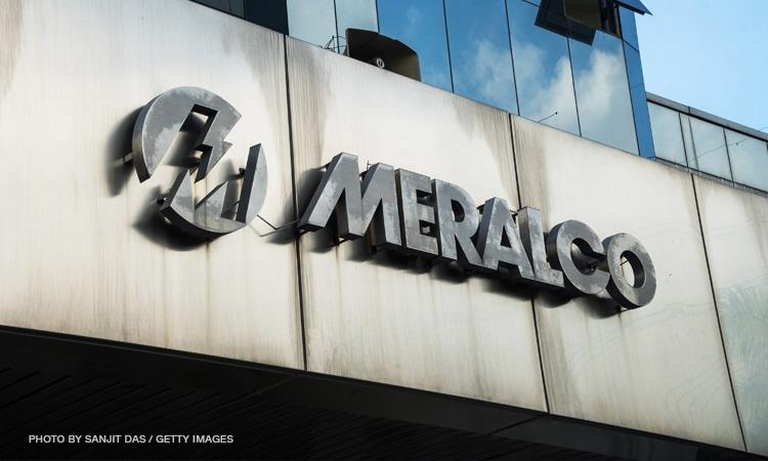


Metro Manila, Philippines – The Manila Electric Company (Meralco) warned that removing system loss charges from monthly bills may not ultimately result in lower electricity bills, saying distribution utilities could incur more costs in eliminating pilferage that may later be recovered through other regulated charges.
“Kasi po, hindi naman papayagan ng any distribution utility na malugi sila dahil sa mga nagnanakaw ng kuryente. So gagawa sila ng paraan,” Jose Ronald Valles, Meralco senior vice president and head of regulatory management, told the Senate energy committee on Thursday, July 30.
[Translation: No distribution utility would allow itself to incur losses because of electricity theft. They will find a way to address it.]
“So, kung gagastos po sila nang mas malaki kaysa sa magiging pakinabang ng customers dito sa system loss na tanggalin natin or gawin natin zero, yung non-technical losses, eh, hindi po magiging fair sa consumers yun kasi ‘yung net po na benefit ma-o-offset,” he added.
[Translation: If distribution utilities end up spending more than the savings customers would get from eliminating non-technical system loss charges, then it would be unfair to consumers because the net benefit would simply be offset.]
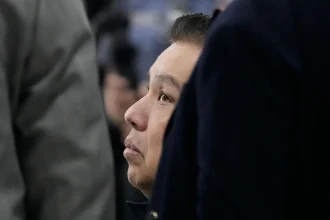
Valles responded to questions from energy committee chairperson Erwin Tulfo about non-technical system losses resulting from electricity pilferage, which are currently passed on to consumers.
Valles said Meralco has been aggressive in apprehending people using illegal electricity connections, commonly known as “jumpers,” but completely eliminating such losses would require hiring significantly more personnel to monitor and prevent theft.
“Napakagastos po non [That would be very expensive],” he said.
Valles noted that Meralco’s system loss charge is capped at 4.22 percent, lower than the 5.5 percent ceiling set by the Energy Regulatory Commission (ERC). He added that non-technical losses account for less than a percent of the total system loss.
“Kasi po ngayon, ‘yung less than 1 percent ay within the cap kami. Kung i-improve pa po namin iyan below, para ma-achieve natin yung zero na sinasabi natin, non-technical losses, malaki naman po ‘yung gagastusin namin na operational expenses at tsaka capital expenses, capital expenditure, na siya naman po ang kakarga na naman sa taripa,” he added.
[Translation: Right now, our non-technical losses of less than 1 percent are already within the regulatory cap. If we further reduce that to achieve the zero non-technical losses being proposed, we would have to spend significantly more on operating expenses and capital expenditures, and those costs would ultimately have to be reflected in the electricity tariff.]
‘Businesses have losses’
Tulfo strongly rejected the explanation.
“Parang, wala — ayaw ninyo magka-incur na losses. Business, sir, ay may mga losses. Dapat you have to be prepared for that… I had a degree po in business management, kaya alam ho yun,” Tulfo said.
[Translation: It seems like you simply don’t want to incur any losses. Businesses naturally have losses, and you have to be prepared for that. I have a degree in business management, so I know that.]
“Yung ipagdadagdag niyo ng mga tao, ipapasa, ikakarga na naman sa bill namin? Hindi na ho namin problema yun. Hindi na rin yung problema ng consumer yun. Magdagdag ka ng tao mo, mag-expand ka. Wala kaming pakialam doon,” he added, raising his voice.
[Translation: You’re saying that if you hire more personnel, you’ll just pass those costs on to our electricity bills? That’s no longer our problem, and it shouldn’t be the consumers’ problem either. Hire more people, expand your operations – we don’t care. That’s your responsibility.]
“Ayaw magkaroon ng losses, e ‘di wag ka – lumipat ka na ang negosyo,” Tulfo said.
[Translation: If you don’t want to incur losses, then maybe you should find another business.]
Valles later clarified that all system loss charges collected from consumers are remitted to generation companies.
“Ibinabalik din po namin yan sa customers bilang kabawasan sa aming generation cost. So, wala hong napupunta sa Meralco diyan. Kasi yung nakukuha, binabalik sa customers at yung buong buong system loss, actually part ng generation loss diyan, binabayad din naman iyan sa generation companies,” he said.
[Translation: Those collections are returned to customers by reducing their generation costs. None of the system loss charges go to Meralco. The amounts collected are credited back to customers, and the generation-related component of the system loss is paid to the generation companies.]
He said the distribution utility will then submit its capital expenditure and operational expenses to the ERC.
“At i-evaluate naman ng ERC yon kung ano doon yung fair na expenses na pwede nilang sabihin na isasama nila sa taripa,” he said.
[Translation: The ERC evaluates which expenses are reasonable and may be included in the electricity tariff.]
ERC Chairperson Francis Saturnino Juan said consumers paid around ₱30 billion in system loss charges to Meralco last year. Since Meralco accounts for about 70 percent of the country’s electricity distribution, Senate President Win Gatchalian estimated that consumers nationwide paid roughly ₱45 billion in system loss charges.
Ending system loss charges
Juan said the ERC is studying ways to reduce system loss charges while Congress deliberates legislation that would eliminate them altogether, as pushed by President Ferdinand Marcos Jr. in #SONA2026.
Tulfo said he hopes the measure can be passed within the year as a Christmas gift to consumers, but noted that Malacañang is pushing for an even faster timeline.
He said the Presidential Legislative Liaison Office had requested the committee to expedite the measure and hold only one hearing, but he intends to schedule another one on Friday, Aug. 7.