

Metro Manila, Philippines – The Philippine Space Agency (PhilSA) called on international partners to develop coordinated protocols and capabilities that will protect vessels and people aground amid the posed risks of rocket debris.
“As global launch rates continue to accelerate, debris shed during staging events and the uncontrolled re-entry of large rocket upper stages pose growing hazards—not only to other spacecraft, but to civil aviation and to populations on the ground,” PhilSA said.
China launched its Long March 12 rocket from the Hainan International Commercial Launch Center in Wenchang, Hainan, at around 3:28 a.m. (same local time) on Saturday, Oct. 10.
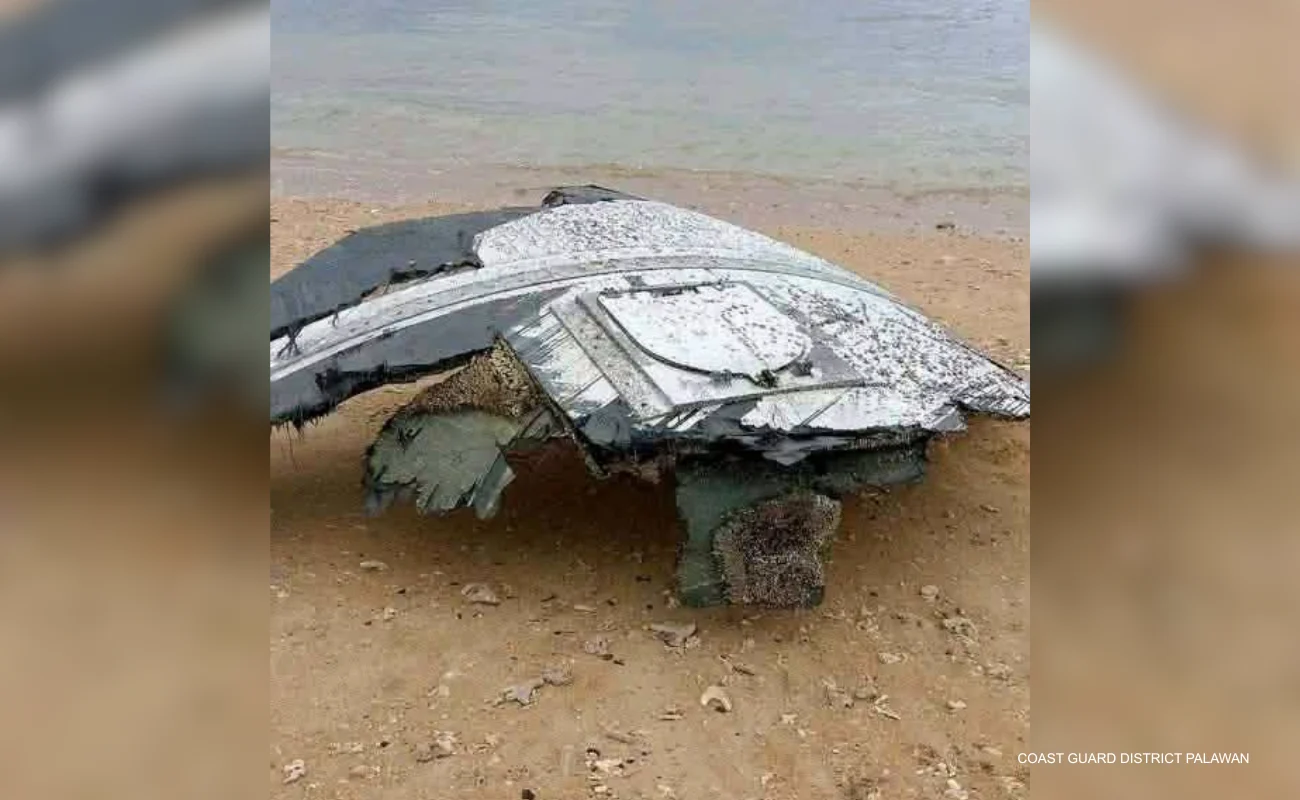
Rocket debris were projected to have fallen around 46 kilometers off Puerto Princesa in Palawan and 35 kilometers off the Tubbataha Reefs Natural Park.
PhilSA received details of the rocket drop zone days ahead through a Notice to Airmen (NOTAM) warning of an “aerospace flight activity,” and disseminated a pre-launch report to relevant government agencies and authorities before the rocket’s launch.
It said unburned debris from rockets, such as the booster and fairing, are designed to be discarded as the spacecraft enters outer space.
The space agency said while rocket debris are not projected to fall on land features or inhabited areas, these still pose danger and potential risk to ships, aircraft, fishing boats, and other vessels passing through identified drop zones.
“There is also a possibility for the debris to float around the area and wash toward nearby coasts,” it said.
On suspected debris sightings, PhilSA advised the public to inform local authorities and cautioned against retrieving or coming in close contact with the materials that may contain remnants of toxic substances such as rocket fuel.