

Metro Manila, Philippines – The government is stepping up preparations for a potentially stronger El Niño, with agencies rolling out measures to address possible water shortages, drought, power disruptions and health risks.
Communications Undersecretary Claire Castro said Wednesday that President Ferdinand Marcos Jr. had directed concerned agencies to take measures to mitigate the effects of what the government described as a possible “Super El Niño.”
The National Irrigation Administration has drawn up a mitigation plan focused on protecting farms from possible water shortages during the dry season.
Among the measures is the use of groundwater maps from the Mines and Geosciences Bureau to identify possible water sources for solar-powered pump irrigation systems.
“Paiigtingin din ng NIA ang inventory at maintenance ng solar-powered pump irrigation systems at ang repair and rehabilitation ng mga lumang pump irrigation systems para masiguro na tuloy-tuloy lang ang operasyon ng mga ito,” Castro said.
[Translation: The NIA will also intensify the inventory and maintenance of solar-powered pump irrigation systems and the repair and rehabilitation of old pump irrigation systems to ensure their continuous operation.]
NIA will also deploy mobile solar pumps to drought-prone and water-stressed areas, particularly farming communities, and conduct desilting and clearing operations in irrigation canals to improve water flow.
Castro said the Department of Environment and Natural Resources is preparing for possible water supply problems and forest and grassland fires. The agency has also established small water impounding structures and rainwater harvesting systems to augment water supply.
The Department of Agriculture, meanwhile, is assessing irrigation systems, looking at drought-resistant crops and possible adjustments to planting schedules. Financial assistance is also being prepared for affected farmers and fisherfolk.
Castro said the Department of Energy is preparing for possible power interruptions, while health authorities are looking at measures to address risks from extreme heat, including dehydration.
These include hydration and cooling measures, health monitoring and assistance for vulnerable groups such as children, older adults, outdoor workers and people with existing health vulnerabilities.
On additional funding, Castro said the DA already has funds allocated for farmers and fisherfolk, while Malacañang will coordinate with the Department of Budget and Management to determine how much more could be allocated for the government’s El Niño response.
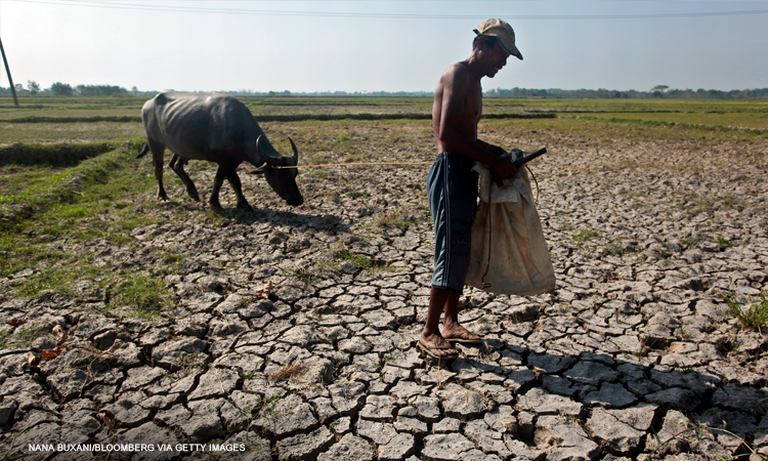
PAGASA earlier warned that the ongoing El Niño could strengthen to a “very strong” state in the coming months and persist through the first half of 2027.
El Niño increases the likelihood of below-normal rainfall, which could result in dry spells and drought in parts of the country.
This is a news release from the Presidential News Desk