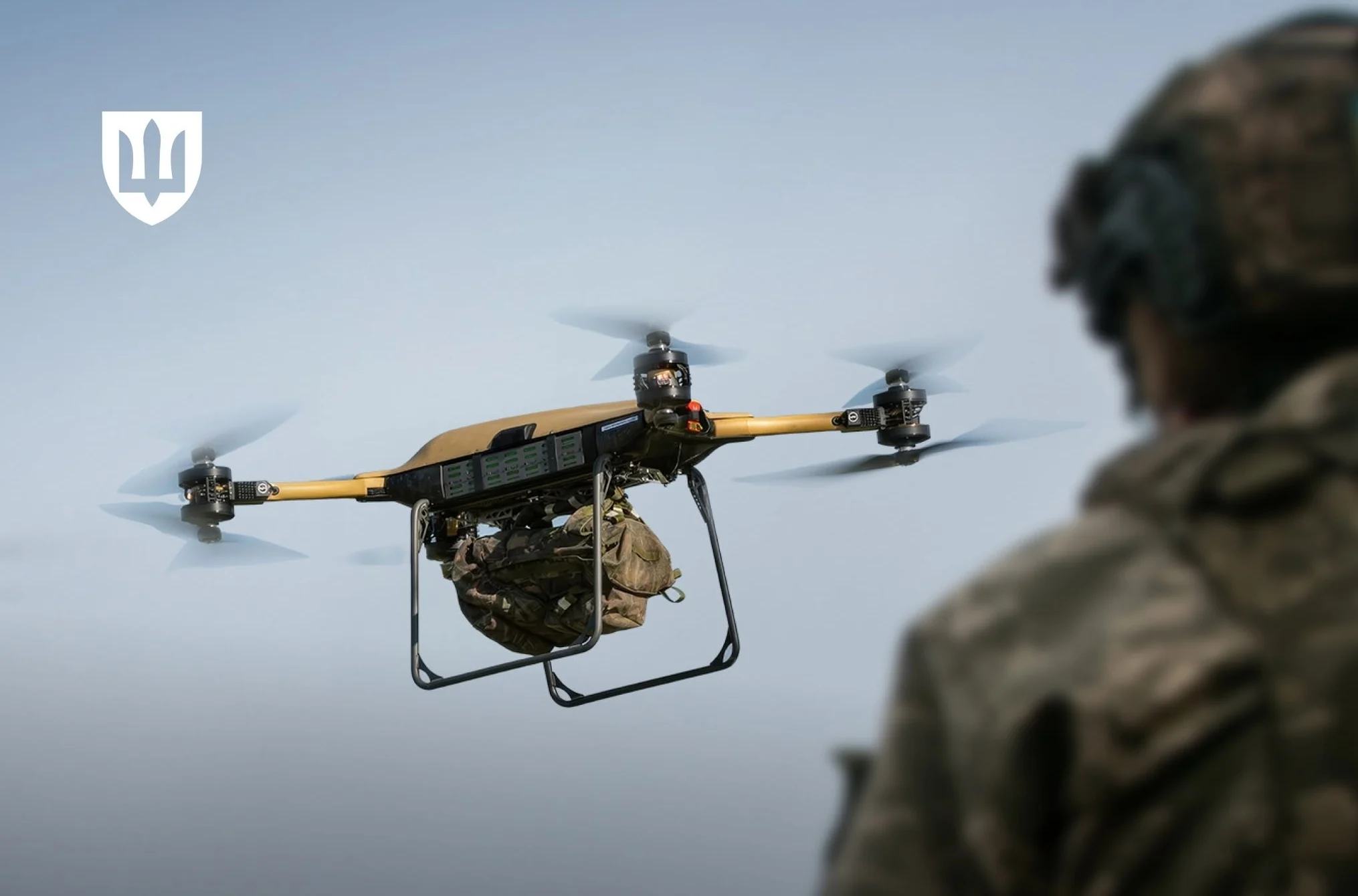


Kyiv, Ukraine – As Ukraine braces for another winter suffering from Russian attacks, drones are taking on a growing role in a war where the ability to detect, intercept, and strike from the air can determine the resilience of cities and critical infrastructure.
Ukrainian Deputy Foreign Minister Mariana Betsa said Russia has stepped up attacks against civilians and critical infrastructure with drones alongside ballistic and cruise missiles.
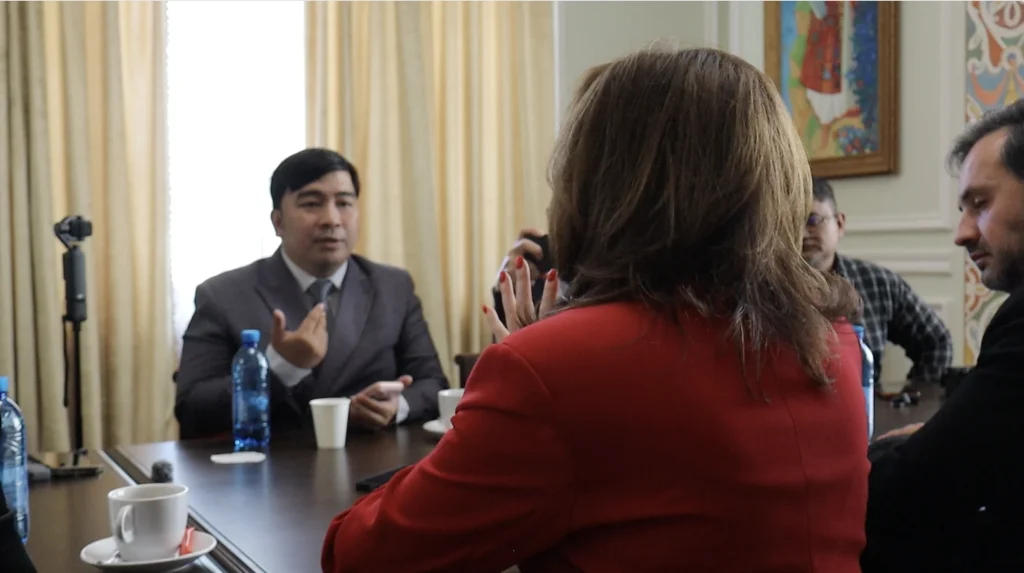
“Russia has resorted to another wave of escalation against civilians, critical infrastructure, against our people, our children,” Betsa said in an interview with journalists from Southeast Asia.

She said Russia has increasingly relied on combined attacks with different types of drones and missiles, while Ukraine faces a shortage of air defense interceptors.
“We extremely need right now the interceptance and air defense,” Betsa said.
“This is a critical need because, obviously, this is the fifth year into the war, and we definitely have a lack of interceptors,” she added.
The threat becomes more intense as Ukraine prepares for another winter after Russian attacks heavily damaged its energy infrastructure last year.
Betsa said Russia attacked or damaged nearly every thermal power plant in Ukraine to some degree in the winter, raising concerns over the country’s ability to protect its energy system in the months ahead.
Drone warfare
Ukraine began using drones early in the full-scale war in 2022.
By 2023 and 2024, it had moved toward mass production and established dedicated unmanned forces, said Ukrainian Foreign Ministry spokesperson Heorhii Tykhyi.
“We started using drones in 2022, very early in the war,” Tykhyi said.
“Then it took us, I would say, 23 and 24 to start mass-producing them,” he added.
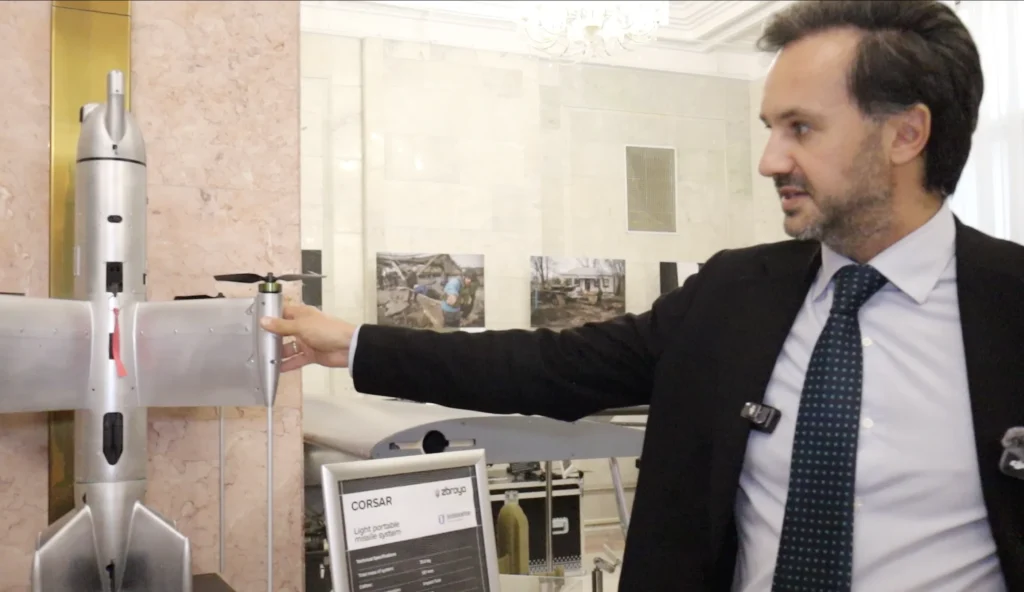
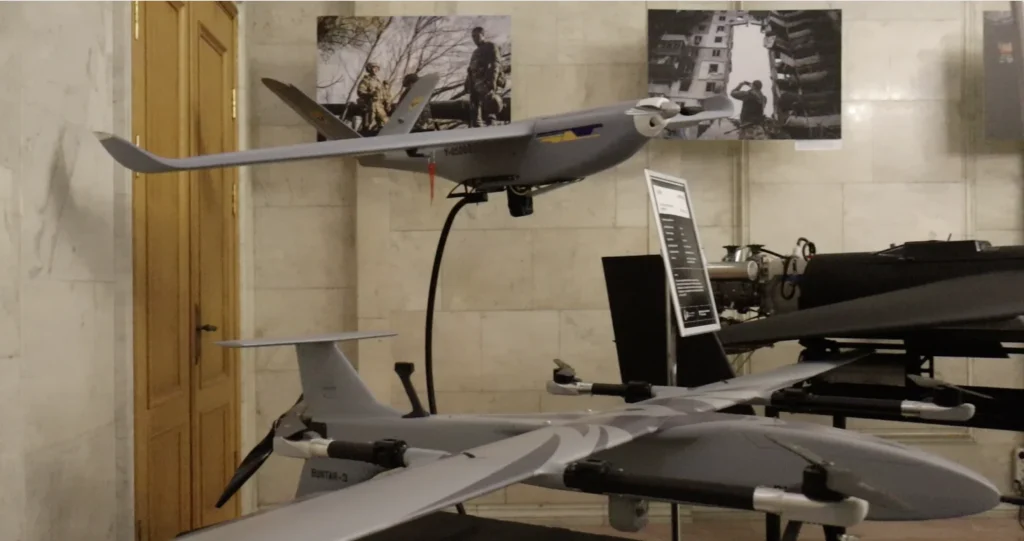
The rapid development was driven by battlefield necessity. Ukraine has since developed a range of unmanned systems and built an ecosystem around them that includes operators, command posts, sensors, radars, and software.
“It will take an entire system, not just the units,” Tykhyi said.
He said Ukraine’s battlefield experience has also generated data to improve the automated and digital systems inside drones.
“All of this equipment is trained on battlefield data. We also have big data from the battlefield and we train systems that are inside the drones,” he said.
That experience has become one of Ukraine’s most valuable assets as it seeks to expand cooperation with other countries.
Drone deals
Ukraine is now offering what it calls a “drone deal,” a state-to-state partnership that can allow Ukrainian and foreign companies to cooperate on unmanned technology.
Tykhyi said the arrangement is not simply about buying Ukrainian-made drones.
“If you just buy a drone, you will not be able to operate,” he said.
The system also requires trained personnel, command posts, sensors, radars and the operational knowledge developed through years of combat.
Ukraine has also begun sharing its experience in defending against drone attacks.
Tykhyi said Ukrainian teams have provided training and expertise to partners in the Gulf region, where governments are also confronting the threat posed by unmanned systems.
The technology could eventually have uses far beyond warfare.
Artem Rybalchenko, head of communications at ADASTRA, said unmanned vehicles can be deployed in disaster relief and humanitarian operations.
“Drone technology or unmanned technology… can be a boat without a sailor and so on and so forth,” Rybalchenko said.
He said such systems could be adapted for humanitarian and disaster-response missions, potentially allowing countries to send unmanned vehicles into areas that may be dangerous for people.
The race to the skies
But the immediate reality in Ukraine remains a contest between increasingly sophisticated drones and the defenses designed to stop them.
Betsa said Russia is using drones together with ballistic and cruise missiles and other weapons in increasingly complex attacks. Ukraine’s need for air defense interceptors has, therefore, become a central concern as winter approaches.
The scale of Ukraine’s own drone development has also changed the battlefield.
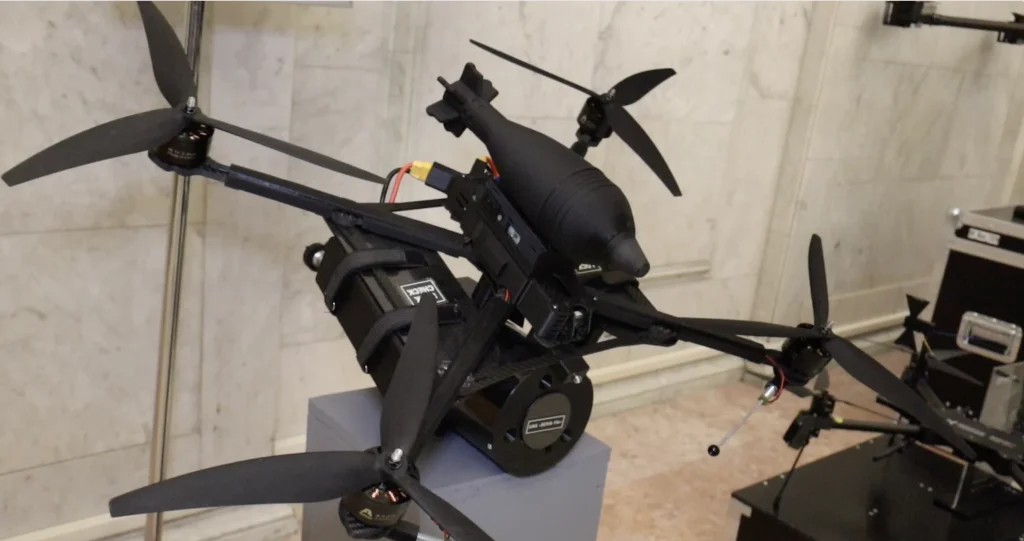
Tykhyi said Ukrainian systems have demonstrated the ability to reach targets deep inside Russia, including strikes as far as 3,000 kilometers from Ukraine.
“I think when (Vladimir) Putin started this war, he did not expect hitting targets 3,000 kilometers inside Russia,” Tykhyi said.
Ukraine describes the capability as part of its effort to defend itself and deter further Russian attacks.
For civilians, however, the drone war is less of a technological race as it is another air raid alert.
Betsa said Kyiv continues to face daily attacks but remains operational despite the pressure.
“Kyiv is living. Kyiv is standing,” she said.
She also warned that repeated attacks should not become a new normal for Ukrainians.