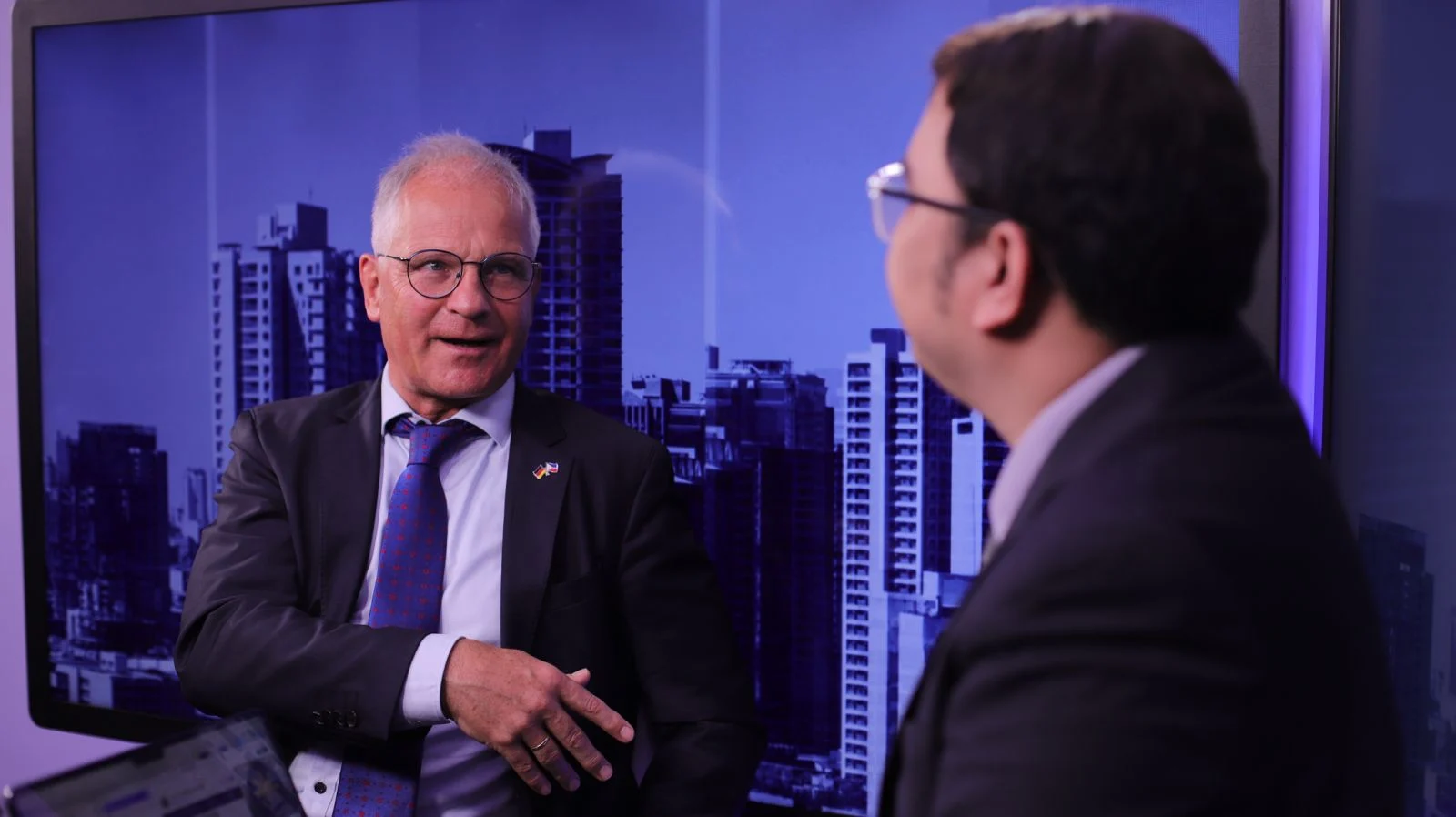


Metro Manila, Philippines – Germany is prepared to discuss a potential Visiting Forces Agreement (VFA) with the Philippines as both nations continue to deepen defense and security cooperation amid escalating geopolitical tensions in the Indo-Pacific, German Ambassador Andreas Pfaffernoschke said.
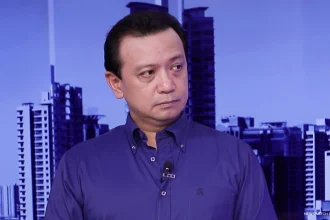
In an interview on The Newsmaker, Pfaffernoschke disclosed that a VFA remains one of his long-term goals for Philippine-German relations, though he clarified that discussions are still in their infancy.
“This is still my dream,” the ambassador said when asked about the prospect of a formal VFA between Manila and Berlin.
He noted that Germany has been closely monitoring the Philippines’ efforts to expand defense partnerships with like-minded countries—including fellow European power France, which recently concluded a similar defense pact with Manila.
“There are discussions that we are also going in this direction,” Pfaffernoschke said. “Germany definitely is a like-minded country and considered to be a like-minded partner of the Philippines. In my view, it would be a logical step to also go further down this road,” he added.
A VFA would provide the necessary legal framework for military personnel from both countries to conduct joint activities, exercises, training, and other defense engagements on each other’s territory. The envoy emphasized that such an agreement would also allow Germany to move beyond its current observer role in the annual Balikatan exercises.
“We have already participated three times as observers in the Balikatan exercise. In order to make the next step one day—not only participating as observers but maybe with concrete contributions—we would need to go a bit further,” he explained.
The remarks coincide with German President Frank-Walter Steinmeier’s historic state visit to Manila, marking the first time a German head of state has visited the Philippines in more than six decades.
Pfaffernoschke said the rapid expansion of security ties reflects Germany’s growing strategic interest in the Indo-Pacific and its commitment to maintaining stability in regional waters.
“Germany is one of the biggest trading nations in the world. Freedom of navigation in the South China Sea, in the West Philippine Sea, is of essential interest to us,” the envoy stressed.
The ambassador firmly rejected suggestions that increased European military and diplomatic engagement in the region could be misconstrued as interference.
“It is definitely not interference. It is support. It is [a] contribution to making happen what we all want to see happening, that is stability and security in the region,” he said.
Germany and the Philippines signed their first defense cooperation arrangement in 2025 following the historic visit of German Defense Minister Boris Pistorius to Manila in 2024. Berlin has since deployed naval vessels to the Philippines and sent observers to the annual Balikatan exercises as part of its broader Indo-Pacific engagement strategy.