
Metro Manila, Philippines – Nearly a decade after former President Rodrigo Duterte launched the bloody anti-drug campaign that is now a subject of a trial for crimes against humanity in the International Criminal Court, a group of church leaders, human rights advocates, academics and civil society organizations is embarking on a different kind of investigation.
Unlike the proceedings unfolding before the ICC in The Hague, Netherland, this effort will not seek convictions, determine guilt or send anyone to prison.
Instead, its organizers hope to answer a broader question: What happened to the thousands of Filipinos whose lives were forever altered by the war on drugs?
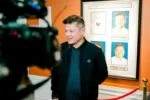
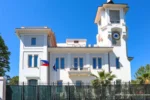
The Philippine Truth and Reconciliation Commission was formally launched at Villa San Miguel in Mandaluyong City, creating what organizers described as an independent, civilian-led effort to establish a credible public record of alleged extrajudicial killings and other abuses linked to Duterte’s anti-drug campaign.
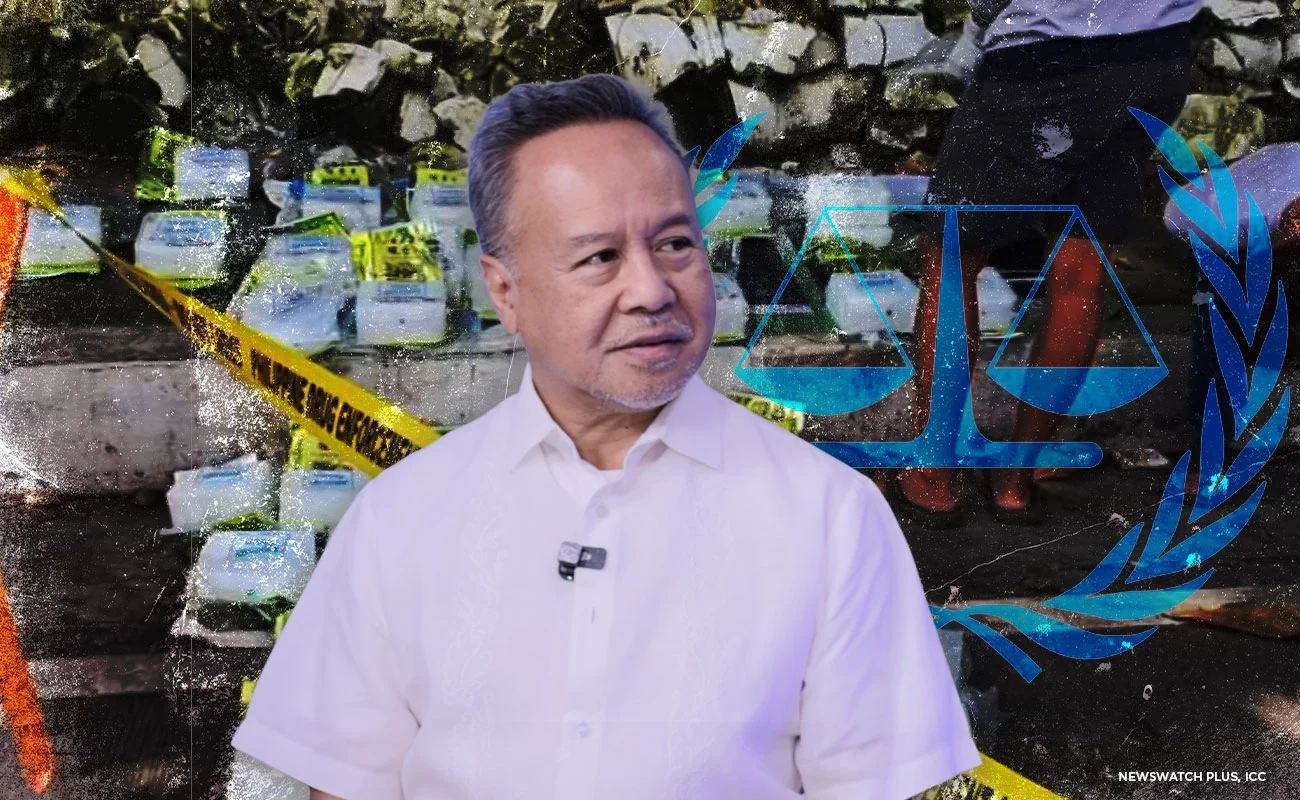
For former International Criminal Court judge Raul Pangalangan, who chairs the commission, the initiative is intended to complement – not compete with – the ICC case against the former president.
“It’s been 10 years, and until now, we don’t have any authoritative record of what happened,” Pangalangan said in an interview with The Newsmaker.
“The best record that we have are the proceedings in the ICC.”
The mission
The commission’s stated objective is straightforward: document what happened, preserve historical memory and provide a platform for victims and survivors whose stories may never become part of a courtroom proceeding.
Organizers said the body will investigate patterns of violence associated with the drug war, collect testimonies, examine institutional responses and produce findings that could contribute to public understanding of one of the most controversial chapters in modern Philippine history.
At its core, however, the project is about people.
Pangalangan said the commission hopes to create a space where survivors, witnesses and families of victims can tell their stories and be heard.
“From the standpoint of the victims, from the standpoint of those who suffered, we want the victims to be able to step forward, to speak their truth, for their truth to be heard, and to assure them that people are listening,” he said.
The commission also hopes to contribute to national healing in a country that remains deeply divided over Duterte’s anti-drug campaign.
“We all have a stake in finding out the truth,” Pangalangan said. “The truth as a vehicle for social healing and for our cohesion once again as one nation.”
People in the commission
The initiative brings together figures from different fields, including religion, law, forensic science, peacebuilding and human rights advocacy.
Pangalangan is chairman of the five-member commission.
Joining him are forensic pathologist Dr. Raquel Fortun, whose work has helped document alleged drug war killings; peacebuilding expert Al Fuertes; theologian Fr. Daniel Franklin Pilario; and human rights advocate Carlos Conde.
Serving as adviser is Pablo Virgilio Cardinal David, one of the Catholic Church’s most prominent voices on human rights issues.
At the launch, David said the commission seeks to uncover truths that may have been obscured by years of official narratives surrounding anti-drug operations.
“The Philippine Truth and Reconciliation Commission is about finding out the truth,” David said.
“The truth that was buried together with the people who were said to have fought back,” he said.
The Catholic official challenged the common police narrative that suspects killed during anti-drug operations had resisted arrest.
“What really happened? Did they truly fight back? How did we so easily accept that thousands of Filipinos all resisted arrest?” he asked.
David said the initiative is not simply about accountability but about addressing wounds that continue to affect families and communities.
“As long as wounds continue to bleed and the pain, trauma, and grief of families remain unrecognized, our nation cannot truly heal,” he said.
Filling the gaps
The commission’s organizers repeatedly emphasize that they are not attempting to replace the ICC.
Many of them support the international proceedings currently underway against Duterte.
They said courts and truth commissions serve fundamentally different purposes.
They noted that the ICC’s task is narrowly defined: determine whether specific crimes were committed by specific individuals and whether prosecutors can prove those allegations beyond reasonable doubt.
“The goal of the court is to prosecute, which means to determine the guilt or innocence of specific accused persons for specific crimes,” Pangalangan explained.
The commission, by contrast, seeks to answer broader social and historical questions.
It intends to examine experiences that fall outside the ICC’s jurisdiction, including stories that may never become evidence in a criminal case.
The ICC proceedings are also limited by time, geography and legal requirements.
The commission hopes to capture a fuller picture of how the anti-drug campaign affected families, neighborhoods, institutions and communities over time.
For Pangalangan, the distinction is critical.
The commission is not interested in determining who should be convicted.
It is interested in understanding what happened, why it happened and how Philippine society should remember it.
How the hearings will work
The commission plans to conduct a series of truth hearings in the coming months.
Unlike court proceedings, the hearings will not be adversarial.
Witnesses will not be subjected to prosecution or defense cross-examinations.
Instead, organizers said the process will be survivor-centered and focused on documenting lived experiences.
Hearings may be conducted publicly, semi-publicly or confidentially depending on the wishes of participants and security considerations.
Some survivors may choose to speak openly, others may require anonymity or additional protections.
Organizers also said they intend to hear from a broad range of participants.
While families of victims are expected to be central voices, the commission is also open to testimony from former law enforcement officials, government personnel, community leaders, church workers, journalists, social workers and others with relevant knowledge.
“We are open to anyone who wishes to step forward with their truth,” Pangalangan said.
The commission plans to issue periodic reports and recommendations every six months.
Timeline
The launch of the commission comes at a pivotal moment.
Duterte is facing charges of crimes against humanity before the ICC in The Hague and is expected to stand trial later this year.
Organizers acknowledge that public attention is now focused on the international case.
But they said the truth-seeking process should not wait for a court verdict.
In the months ahead, the commission intends to begin collecting testimonies, conducting hearings and building what it hopes will become a permanent archive of documents, recordings and witness accounts.
The process is expected to continue long after the ICC trial concludes.
Ultimately, organizers hope the commission’s work will leave behind something that no court judgment can fully provide: a historical record shaped by the voices of those who lived through the drug war.