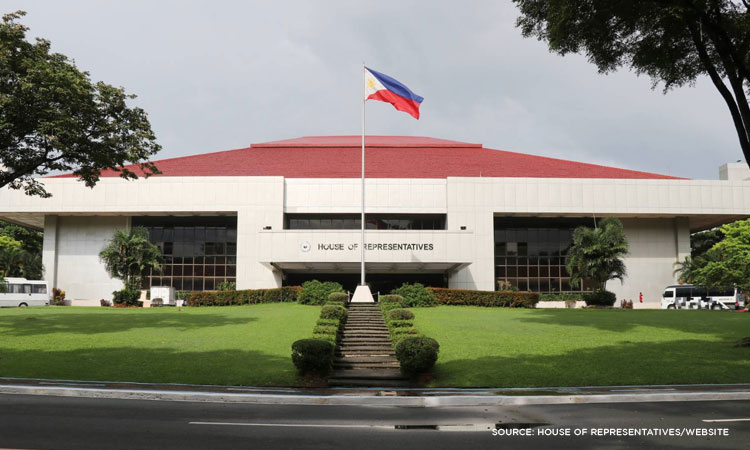


Metro Manila, Philippines – The House of Representatives has cleared key measures before Congress adjourned sine die on Wednesday, June 3 – from the anti-political dynasty bill to addressing economic shocks from the Middle East conflict and future crises.
Anti-political dynasty bill
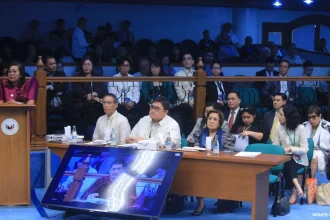
A total of 267 lawmakers were in favor of the measure, seeking to define and prohibit political dynasties.
The bill aims to prohibit spouses or relatives within the second degree of consanguinity or affinity to hold positions simultaneously.
A number of lawmakers, however, expressed reservations that the bill would enable dynasties instead of institutionalizing a nationwide ban.
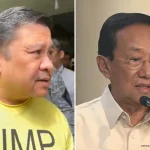
“It is not a true or genuine anti-dynasty law, but rather a dynasty legitimization act,” senior deputy minority leader Leila de Lima said.
Lanao del Sur 1st district Rep. Zia Adiong, sponsor of the measure, said while he anticipated backlash on the version, there has to be a careful balance in passing a contentious bill.
The concerns mainly stemmed from avoiding prohibitions on the overlapping of positions at geographical areas.
It bans relatives from holding office in the same level of government at the same time. However, political families can still hold positions simultaneously if those positions are in different levels of government.
Anti-false information bill
Meanwhile, the House has overwhelmingly approved the Digital Media Anti-False Information Bill, which seeks to combat organized disinformation.
A total of 286 lawmakers supported the bill, three were against, and seven abstained.
The bill was a priority measure of the Legislative-Executive Development Advisory Council (LEDAC).
The House said the proposal would target coordinated troll farms, bot networks, fake account syndicates, and foreign-backed influence operations. Those who would be found guilty of the offense may face six to 12 years imprisonment and be fined up to ₱2 million.
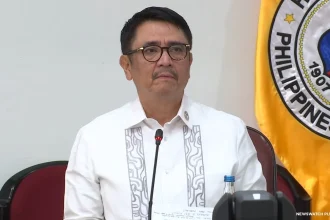
Speaker Bojie Dy said the measure placed safeguards for freedom of expression.
“It does not punish criticism, dissent, political opposition, journalism or honest mistakes. What it targets are deliberate and coordinated efforts to deceive the public and inflict harm,” he said.
Some lawmakers, however, fear the measure may cause censorship.
“It will rob us of yet another civic space where we can share our grievances in the name of “safety,” Kabataan Rep. Renee Co said.
Kalinga bill
In response to the Middle East conflict and future global crises, the House approved on final reading the “Komprehensibong Alalay sa Livelihood, Inflation, Negosyo at Goods Assistance” (Kalinga) Bill.
A total of 294 lawmakers were in favor, while three were against.
The proposal outlines a national framework to address fuel price spikes, energy supply problems, and economic disruptions.
It allows the president to declare a national state of emergency if global oil prices remain high for a sustained period. It also authorizes emergency procurement measures.
“The government should not merely be scrambling for solutions every time a global fuel crisis hits. We must already have systems in place to stabilize supply chains, protect livelihoods and ensure that assistance reaches affected Filipinos immediately,” presidential son and Majority Leader Sandro Marcos, principal author of the measure, said.
The Makabayan bloc, on the other hand, opposed the proposal, and instead sought the repealing of the Oil Deregulation Law, which removed government control on petroleum companies in determining prices.
“Matuto na dapat tayo sa pinasang emergency powers on excise taxes na naglalambitin lang ng mga pangakong makitid short-term at stopgap responses,” ACT Teacher’s Rep. Antonio Tinio said.
[Translation: We should have learned by now from the emergency powers granted over excise taxes, which only dangle narrow, short-term promises and stopgap responses.]
Other LEDAC measures
On Tuesday, June 2, the House also approved a number of LEDAC measures.
Among these is the Right to Information Bill, aimed to form a comprehensive framework allowing citizens to obtain official records, contracts, and expenditures, among others used by government agencies in carrying out their functions.
It also approved the proposal that sought to strengthen child protection safeguards, regulatory measures, policies and enforcement mechanisms against online sexual abuse or exploitation of children and child sexual abuse or exploitation materials.
Lawmakers passed as well the measure strengthening the Bases Conversion and Development Authority.