

Metro Manila, Philippines – The Philippines and Japan have agreed to accelerate discussions on the possible transfer of Abukuma-class destroyers as both countries deepen defense cooperation amid a rapidly evolving security environment in the Indo-Pacific.
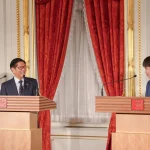
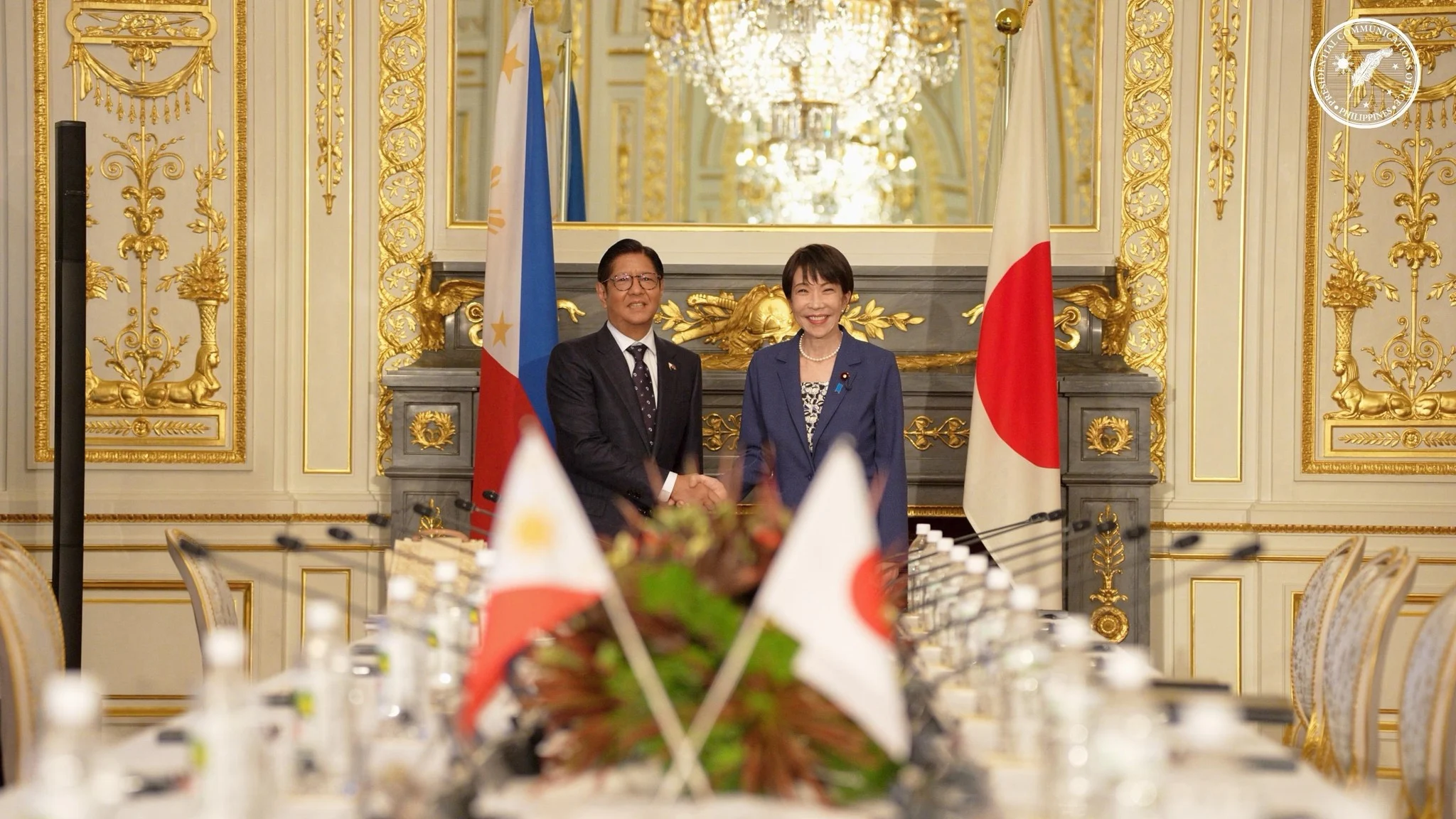
The development was announced by Japanese Prime Minister Sanae Takaichi following her summit meeting with President Ferdinand Marcos Jr. in Tokyo, where the two leaders elevated bilateral ties to a Comprehensive Strategic Partnership on May 28.
“In the security area, we concurred on commencing formal negotiations for the agreement on the protection of classified military information,” Takaichi said.
“We also concurred to accelerate the exchange between the defense authorities towards the transfer of Abukuma-class destroyers and others in order to respond to the regional strategic environment which is growing more severe,” she added.
The announcement is an indication that Manila and Tokyo are moving forward with discussions on the potential transfer of the Japanese naval vessels, a move that could significantly enhance the capabilities of the Philippine Navy.
The Abukuma-class destroyer escorts are multi-role warships operated by the Japan Maritime Self-Defense Force and are designed for anti-submarine warfare, maritime patrol, and surface operations.
The defense initiative comes as both countries face growing concerns over regional security and maritime stability.
Takaichi said cooperation with the Philippines remains crucial to Japan’s vision of a free and open Indo-Pacific.
“The Philippines and Japan are neighbors across the sea who share the basic values and principles,” she said. “Cooperation with the Philippines, one of the closest like-minded countries for Japan, is extremely important.”
For his part, Marcos highlighted new defense and security initiatives agreed upon during the summit.
“Lastly, we jointly announced the commencement of the negotiations for the General Security of Military Information Agreement as well as for the delimitation of our maritime borders,” Marcos said.
“These are very important steps to further strengthen our defense cooperation and to uphold a rules-based maritime order. They will enhance the mutual trust between our two countries,” he added.
The proposed General Security of Military Information Agreement, or GSOMIA, would establish a framework for the protection and exchange of classified military information between Manila and Tokyo, paving the way for closer security cooperation and intelligence sharing.
The latest developments build on a series of defense agreements signed by the two countries, including the Reciprocal Access Agreement and the Acquisition and Cross-Servicing Agreement, which seek to improve interoperability between Philippine and Japanese forces.