

Metro Manila (CNN Philippines, August 8) — Estate tax amnesty may be availed of for another two years, or until June 2025, after the measure seeking such an extension lapsed into law following inaction from President Ferdinand Marcos Jr.
The tax amnesty program already expired on June 14, but the newly approved Republic Act (RA) No. 11956 allows Filipinos to settle their estate tax obligations until June 14, 2025.
The Senate passed the bill that extends the tax amnesty on May 29, and this was adopted by the House of Representatives a day after.
According to the Constitution, the president must communicate his veto of any measure within 30 days after receipt, otherwise it shall become a law as if he had signed it. Since Marcos neither signed nor vetoed the bill, it lapsed into law on Aug. 5, a copy of the legislation released on Tuesday showed.
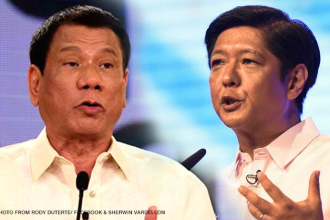
The new law amends RA 11569 signed by former President Rodrigo Duterte, which also extended the availment period for two years, or from June 2021 to June 2023.
Estate tax is defined as a tax on the right of deceased persons to transmit their estate to their lawful heirs and beneficiaries.
The extension covers the estate of decedents who died on or before May 31, 2022, whose estate taxes have remained unpaid or have accrued as of that date.
The law states that payment of the amnesty tax may be made either electronically or manually. Payment by installment shall also be allowed within two years from the statutory date, without civil penalty and interest.
Proponents of the extension have said it will provide needed relief to Filipinos affected by the COVID-19 pandemic and who have found it difficult to settle their tax liabilities due to economic challenges posed by the health crisis.
Based on estimates from Rep. Joey Sarte Salceda, a principal author and sponsor of the measure, the law will benefit around 920,000 Filipino families..