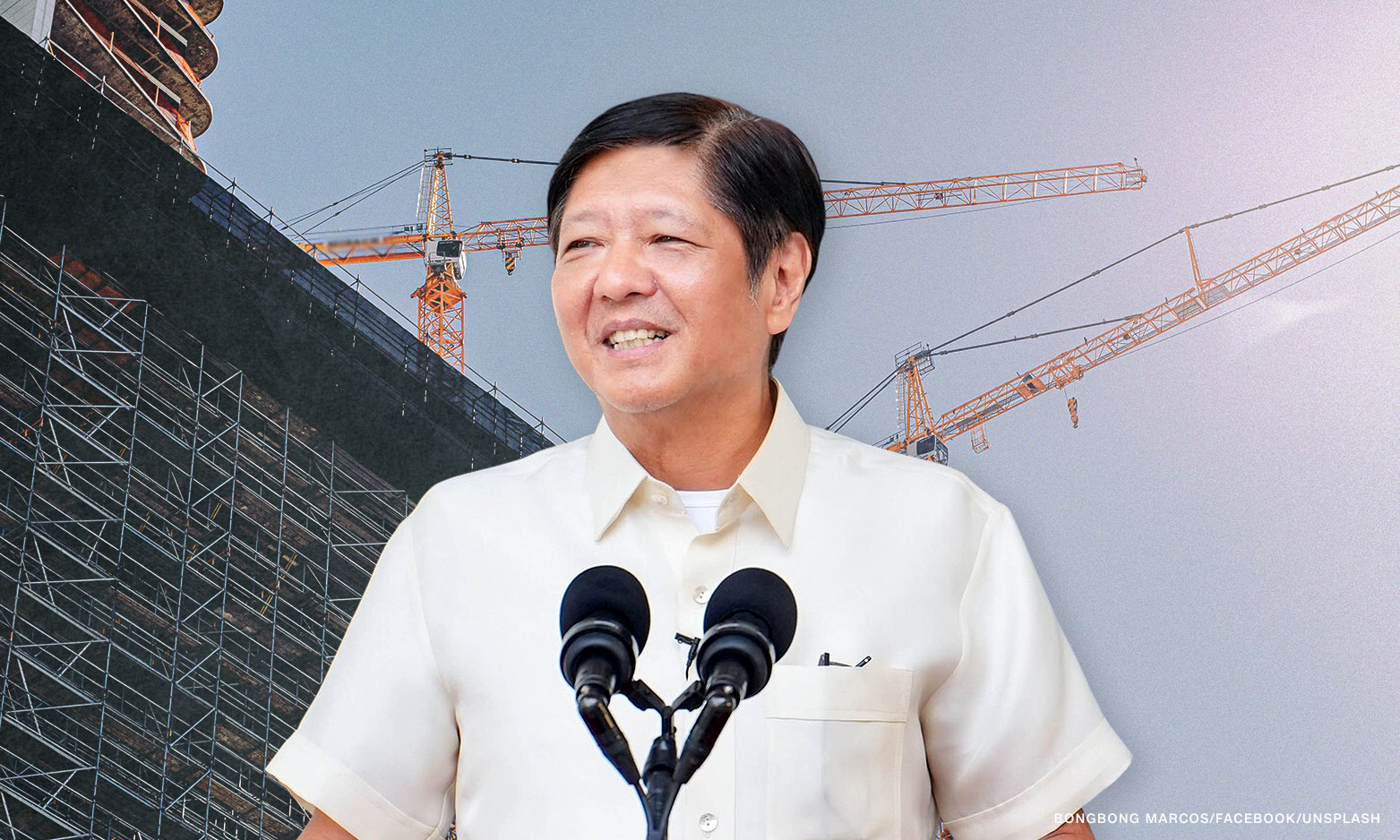

Metro Manila (CNN Philippines, June 30) — The Marcos administration’s use of the public-private partnership (PPP) scheme for infrastructure projects is a “step forward” in ensuring public interest, according to a public policy think tank.
President Ferdinand Marcos Jr. has been drumming up PPP, which makes use of both government funding and private sector participation, to close the infrastructure gap in the country and, in turn, spur economic growth.
Terry Ridon, convenor of Infrawatch PH, pointed out that the previous government opted to utilize other sources of funding such as direct government appropriations or official development assistance (ODA).
To be fair, binuksan ng Pangulong Marcos yung – una, yung going towards PPP,” Ridon said on CNN Philippines’ special “Pangulong Marcos: Ang Unang Taon.Kasi noong panahon po ni President (Rodrigo) Duterte, parang ayaw niya,” he continued. “Mas gusto niya ODA. Pangalawa, isu-subject na niya lahat nung mga PPPs to regulatory approval. Nu’ng unang panahon, panahon ni Pangulong Aquino, walang ganon,[Translation: To be fair, President Marcos opened the – first, going towards PPP. During the time of President (Rodrigo) Duterte, he didn’t seem to like it. He preferred ODA. Second, he will subject all PPPs to regulatory approval. In the old days, during President Aquino’s time, there was no such thing.]So malaking bagay po ito. It’s a step forward sa pag ensure ng public interest sa ating infrastructure,” Ridon added.
[Translation: So this is a big thing. It’s a step forward in ensuring public interest in our infrastructure.]
PPP is an agreement between the government and a private firm to finance, design, construct, and operate infrastructure projects and services that were traditionally provided by the public sector.
PPP ventures are also considered alternatives when the government has insufficient financing for local infrastructure or development projects.
As of December 2022, there are 98 PPP projects in the pipeline with an estimated worth of more than ₱3 trillion, according to the National Economic and Development Authority (NEDA).
Finance Secretary Ben Diokno earlier said half of the multi-trillion peso “Build Better More” infrastructure program of the Marcos administration would be assisted by PPPs, with 47 of 194 major projects a “PPP variety.”
‘We need all funding sources’
In the same interview, Transportation Undersecretary Timothy John Batan said the national government is “diversifying” its financing sources to address the country’s infrastructure gap.
Minsan ang tinatanong, gagamitin ba natin ODA, private sector, o government funds?” Batan said. “Frankly, we need all. Sa laki ng ating infrastructure gap, we have to develop an infrastructure investment program that maximizes all available funding sources para mahabol nating maisara ang infrastructure gap.[Translation: Sometimes the question is, will we use ODA, private sector, or government funds? Frankly, we need all. With the size of our infrastructure gap, we have to develop an infrastructure investment program that maximizes all available funding sources so that we can close the gap.]NEDA previously reported that the annual public infrastructure spending during Duterte’s term was between 4.2% and 5.8% of gross domestic product (GDP), double the average annual expenditure over the previous decades.Batan said the Marcos administration aims to increase this to 5-6%.
Marcos recently certified as urgent the passage of the PPP Act at the Senate, citing the need to increase the participation of the private sector in national development programs.
The House of Representatives approved its version of the bill last December, which stated that PPP projects may be financed partly by ODA of foreign governments or institutions.