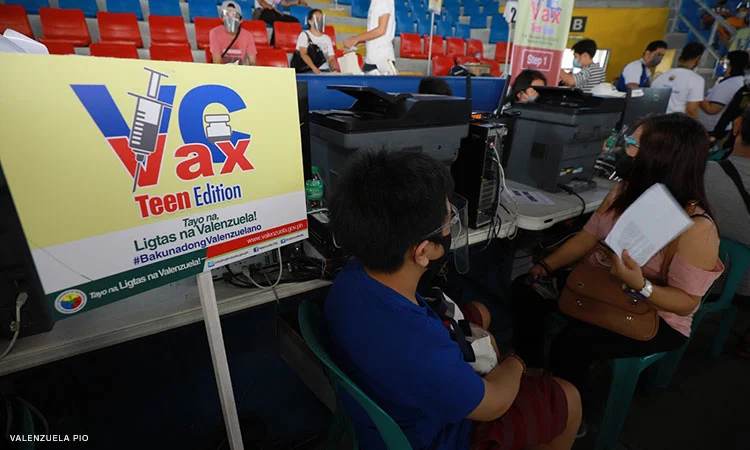


Metro Manila (CNN Philippines, February 6) — Not extending the COVID-19 state of calamity that lapsed in December may hinder the fast procurement of vaccines, the Department of Health (DOH) said Monday.
‘
“The expedited procurement is hinged on the state of calamity executive order,” DOH officer-in-charge Ma. Rosario Vergeire told CNN Philippines’ The Source. “So now that there is no state of calamity, we need to revert back to our usual way of procuring our medicines and technologies like vaccines through RA 9184 and this will take time unlike before that we can readily and there is this negotiated procurement under emergency measures.”
‘
Vergeire was referring to the Government Procurement Reform Act, which lists down rules to ensure a transparent procurement process by a government agency.
‘
While the declaration of a state of calamity allows national and local government officials to access quick response funds to address the needs of the public and enhance efforts to fight the pandemic, the law requires that procurement by a government agency should be done through competitive bidding.
‘
This means that procurement is open to participation by any interested party. The process will include advertisement, pre-bid conference, eligibility screening of prospective bidders, receipt and opening of bids, evaluation of bids, post-qualification, and award of contract.
‘
“The procurement process from the opening of bids up to the award of contract shall not exceed three (3) months, or a shorter period to be determined by the procuring entity concerned,” the law read.
‘
The DOH earlier said that a special permit may be issued to allow the purchase of COVID-19 doses to sustain the vaccination program in case the state of calamity declaration will not be sustained after it ended on December 31,
‘
Aside from vaccine procurement, not extending the state of calamity due to the health crisis will also affect other technical matters. These are indemnification, which is part of the requirements of the suppliers or manufacturers in order for them to be able to facilitate the procurement contract liability, and the immunity from liability of healthcare workers when they conduct the vaccination, Vergeire explained.
‘
She said the DOH is already doing countermeasures to manage these concerns, as it seems that the President is more inclined to not extend the state of calamity.
‘
She also assured the public that non-extension of the state of calamity will not affect the government’s COVID-19 pandemic response.
‘
“We had been gradually easing our restrictions for these past months already and I think we have been successful because we were able to manage our situation, especially our hospitals are now manageable. We are better,” she said.
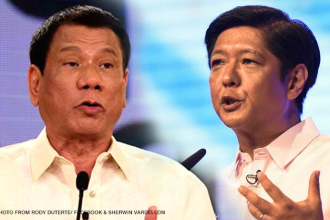
Meanwhile, Vergeire added the government has not yet set the date for the lifting of the state of public health emergency that was declared by former President Rodrigo Duterte in March 2020 in view of uncertainties caused by the new COVID-19 variants.
‘