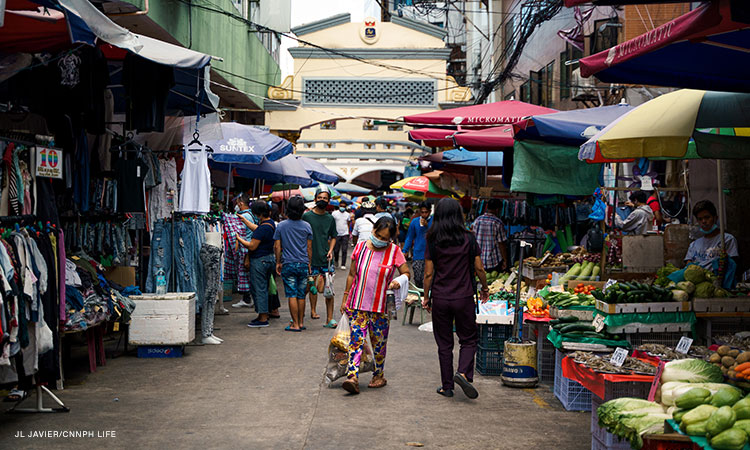


David said in a public briefing that the wave could last for another four to five months due to the effects of the Omicron subvariant BA.2.75 and waning immunity of the vaccinated.
Despite the increase, David said this has not translated to hospitals getting overwhelmed as healthcare utilization rate is at 37%. The average daily attack rate — or the number of daily new cases per 100,000 population — is at 8.75, he said.
Metro Manila (CNN Philippines, August 8) — The COVID-19 wave is seen to extend until the next few months with very high positivity rates recorded in 20 provinces, OCTA Research said on Monday.
OCTA Research fellow Guido David said COVID-19 infections are not showing signs of slowing down as the country records more than 4,000 new cases for the fourth straight day.
He said it could go up to 5,000 new cases within the week or early next week. The cases are not seen to peak until the start of the “ber” months, adding it is slightly concerning that cases are not slowing down yet.
“The COVID-19 wave is already prolonged as it is. We were expecting a two-month wave just like in South Africa. We are past that and we have not reached the peak. It will definitely last into the “ber” months as it is right now,” he told CNN Philippines.
Department of Health Epidemiology Bureau Director Alethea de Guzman said last week that COVID-19 cases could peak by September or October. She urged the public to follow health measures to prevent a peak in hospital admissions.
With the active case tally at 37,805, David said the real numbers could possibly be much more than that since more Filipinos are now opting to use the more affordable antigen test kits, which are not yet included in the Department of Health’s official tally.
OCTA also noted the increasing positivity rate in Metro Manila, which went up from 15.5% to 17.5% in one week as of Aug. 6.
The positivity rate refers to the percentage of tested people with positive results. The World Health Organization has set a positivity rate benchmark of below 5%.
He said there is also a “very high” positivity rate of over 20% in Albay, Benguet, Cagayan, Camarines Sur, Cavite, Isabela, La Union, Laguna, Nueva Ecija, Pampanga, Pangasinan, Quezon, Rizal, Tarlac, Zambales, Aklan, Bohol, Capiz, Negros Oriental, and Palawan.
He sounded the alarm on the positivity rate in Capiz at 64% or almost as high as its peak in January 2022 during the Omicron variant surge.
David echoed the call of President Ferdinand “Bongbong” Marcos Jr. for eligible Filipinos to avail of booster doses, saying the increase in cases could partly be because of waning immunity from the vaccines.