

Metro Manila, Philippines – The Commission on Audit (COA) has flagged the discontinuation of Chinese loan funding for a multibillion-peso alternative water source for Metro Manila, along with significant construction delays and unresolved site access problems that could put government investments at risk.
In its 2025 annual audit report on the Metropolitan Waterworks and Sewerage System (MWSS), COA said the Export-Import Bank of China terminated the loan availability for the ₱12.2-billion Kaliwa Dam project despite government approval of an extension in April 2025.
The termination prevented further loan disbursements, prompting the regulator to approve the use of its corporate operating budget to cover eligible project expenses through Dec. 31, 2025.
Construction delays
The project, officially known as the New Centennial Water Source-Kaliwa Dam Project that straddles Rizal and Quezon, recorded only a 26 percent overall physical accomplishment as of the end of 2025, with COA reporting a 26.25 percent physical slippage.
Tunnel excavation reached 3,312.06 meters out of the planned 17,480 meters, while MWSS reported no construction activities at the dam site during the reporting period.
COA attributed the delays to unresolved site access constraints, land acquisition issues, statutory permit requirements, and the lapse of loan funding.
State auditors warned that the setbacks could leave government investments stranded or infrastructure assets nonfunctional, potentially undermining water security targets.
COA recommended that MWSS finalize a financing strategy to secure stable funding for the remaining construction works.
It also called on the agency to coordinate with the Department of the Interior and Local Government and local officials in Quezon to resolve access problems, including the possibility of elevating the dispute to the Office of the President.
Dam project to continue
Despite the funding setback, Malacañang assured the public that the project would continue with assistance from concessionaires Manila Water Company and Maynilad Water Services, Inc..
“Tuloy pa rin po ito at magpapatuloy po ito sa tulong ngayon po ng Manila Water Services Inc. at Manila Water Company,” Communications Office Undersecretary Claire Castro said during a Palace briefing.
Castro acknowledged that a number of issues remain unresolved.
“Marami lang po kasi silang mga issues or mga dapat na iresolba katulad ng mga of course iyong mga tumututol na nakatira sa nasabing lugar at kailangan maayos talaga na pamamaraan,” she said.
[Translation: Locals have raised a number of issues or things that need to be resolved like, of course, those loving hear the project areas, and there is need for an orderly system]
“So, walang dapat alalahanin, nagkaroon lang nang konting delay dahil nga po sa kailangan ayusin pa iyong ibang factors,” Castro added.
[Translation: So there is nothing to worry about, there was just a slight delay because there is a need to fix other factors.]
Concerns have also been raised that the project, originally expected to become operational in the first quarter of 2027, could face a three-year delay.
Separately, the COA flagged ₱837.662 million in pre-construction and development expenditures that were not properly recorded as construction costs.
The expenditures covered land acquisition and resettlement, consent processes involving affected communities, standby costs and other project requirements.
According to the COA, the accounting treatment understated both the construction in progress and accumulated surplus accounts by ₱837.662 million.
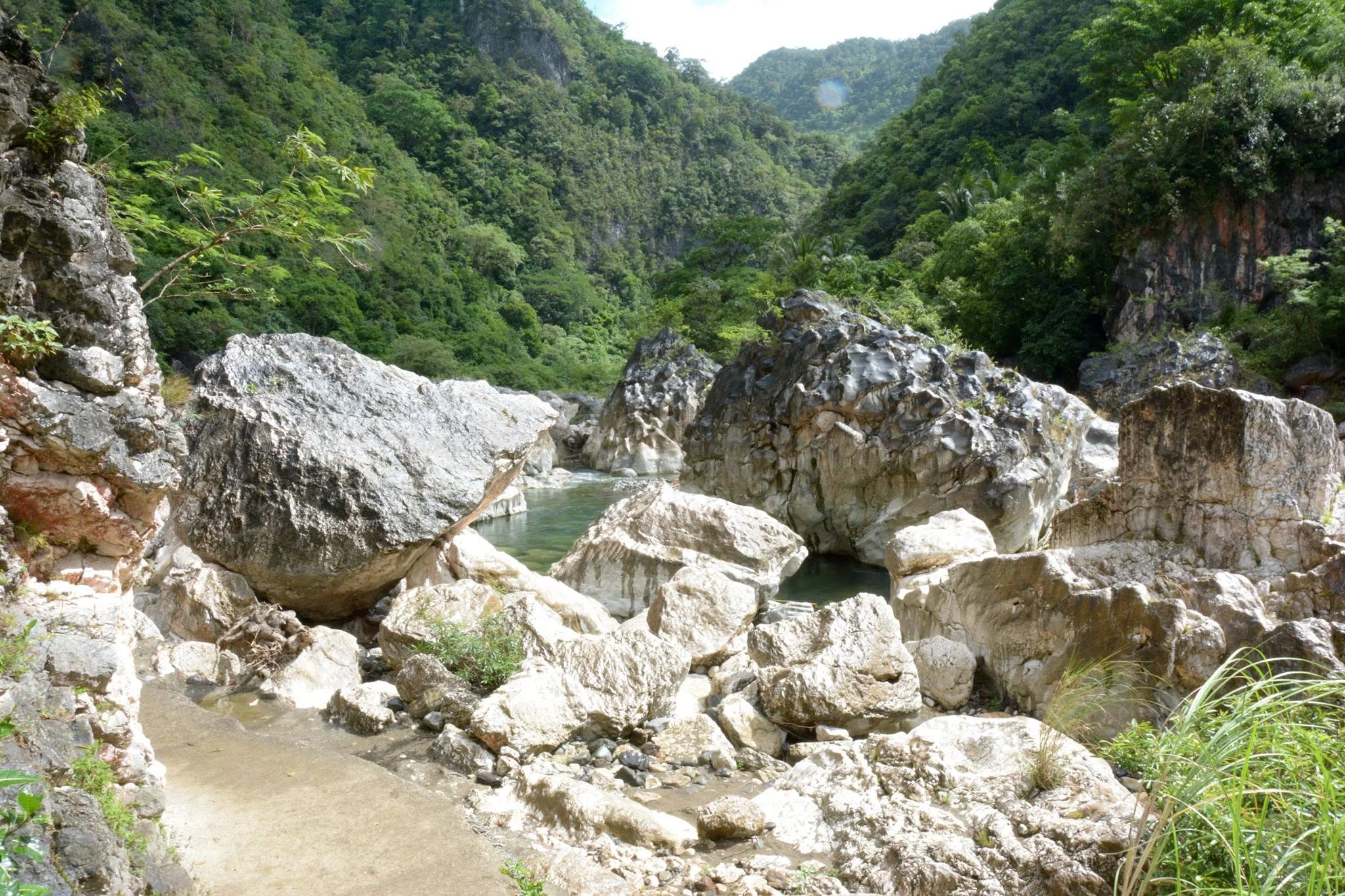
The Kaliwa Dam project was pursued under former President Rodrigo Duterte’s flagship Build, Build, Build infrastructure program, with financing from China. Designed to provide 600 million liters more per day to Metro Manila and nearby provinces, the project was intended to reduce dependence on existing water sources.
However, the project has faced years of opposition from indigenous Dumagat-Remontado communities and environmental groups over concerns about displacement, the loss of ancestral lands and potential damage to the Sierra Madre watershed.