Metro Manila (CNN Philippines, July 24) — The country’s tax take from the Philippine offshore gaming operations (POGO) industry ballooned by more than 100% last year despite the significant drop in players, data from the Department of Finance (DOF) showed.
Tax collections from POGOs reached ₱8.88 billion in 2022, higher than the ₱3.91 booked in 2021—the majority of which consisted of withholding taxes and gaming taxes.The increase in tax collections came as the Philippine economy further reopened following hard COVID-19 lockdowns, somehow offsetting the large decline in POGO companies.According to the Philippine Amusement and Gaming Corporation (PAGCOR), the number of registered POGOs plunged to 32 as of July 18, from its pre-pandemic peak of 281 in 2019.Accredited service providers, meanwhile, stood at 106.PAGCOR Chair and CEO Alejandro Tengco earlier expressed optimism that the gross gaming revenues from POGO could hit ₱24 billion by the end of this year, more than double the ₱11 billion posted in 2022.
PAGCOR and local authorities have been intensifying the crackdown on POGOs engaged in illegal activities.
READ: 58% of POGO-related crimes in PH involved human trafficking – Gatchalian
READ: PH’s gamble on the multi-billion peso POGO industry
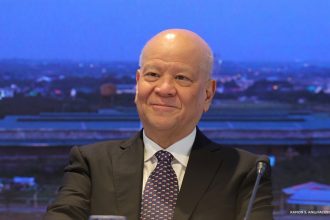
“We shall undertake this painstaking process to weed out the unscrupulous companies and individuals using the PAGCOR license for illegal activities, tainting the name of the whole industry and most especially the Philippines,” Tengco previously said in a conference.
PAGCOR also moved to greenlight some gaming system service providers for a range of gaming categories, such as traditional Bingo, electronic Bingo, electronic (eCasino) Games, sports betting, and e-billiards.Licensed brick-and-mortar casinos likewise secured PAGCOR’s approval to employ remote gaming platforms exclusively for their live casino games, specifically catering to registered casino players.As of July 17, PAGCOR has licensed a total of 20 gaming system service providers and has also authorized eight other online or remote gaming platforms.Some lawmakers have been been pushing for the permanent ban on POGOs due to social and economic costs attributed to the industry.Senator Sherwin Gatchalian, who is a vocal critic of POGOs, said late last year that the industry only contributed 1% of the country’s gross domestic product (GDP).“Would 1% GDP contribution warrant the continued existence of POGOs? Assuming the worst case, will that impact our economy? Would one percent be a significant negative effect on the economy?” Gatchalian said during a Senate hearing.The lawmaker also believes that the Philippines can instead boost its tourism and business process outsourcing sectors to mitigate the possible impact of POGO closure.