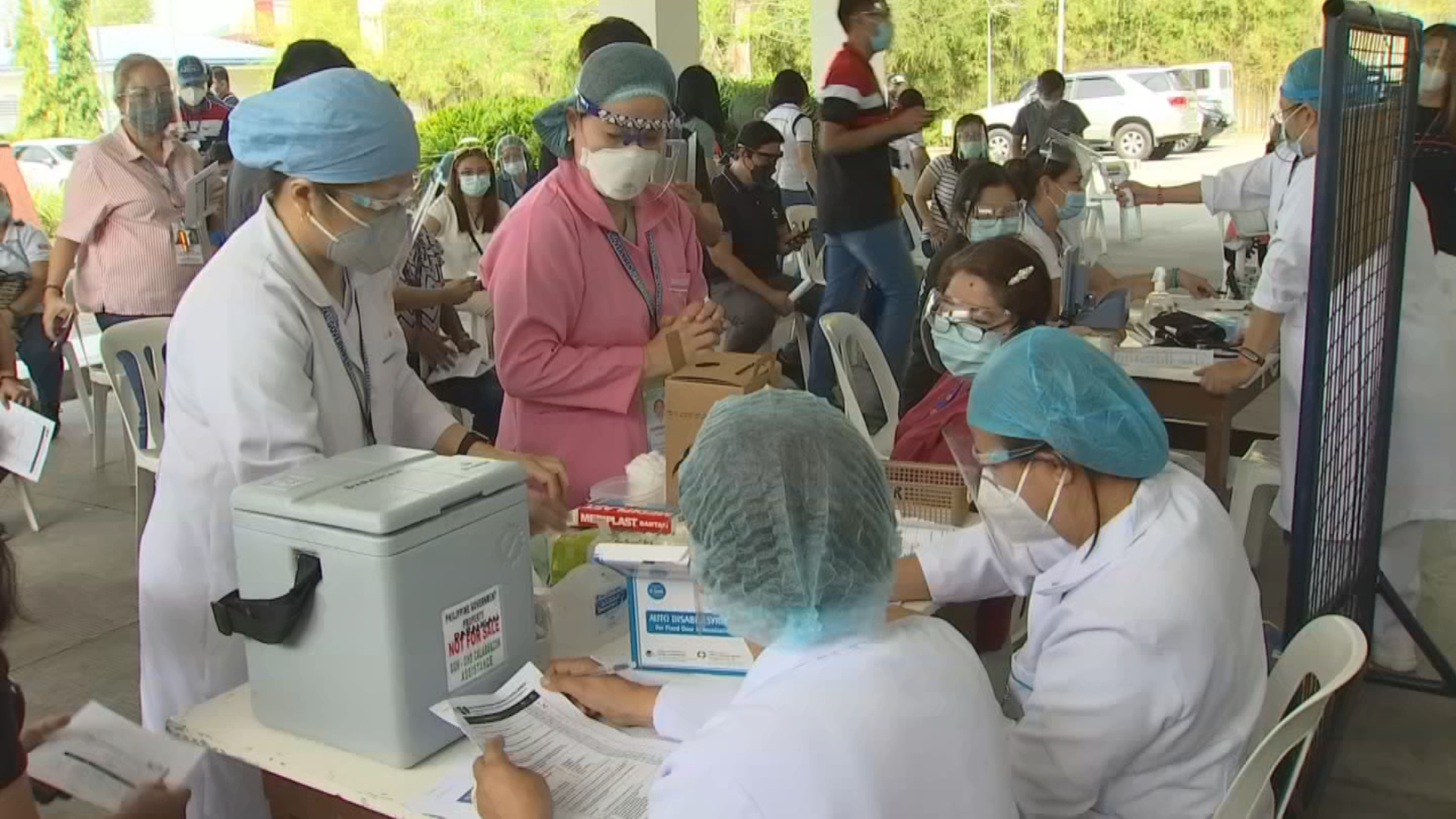


Metro Manila (CNN Philippines, June 26) — The Professional Regulation Commission (PRC) on Monday said the government should focus on hiring the 47,000 nursing board exam passers from 2021 to 2023 to fill the 4,500 vacancies in public hospitals and address the shortage in the country.
“A positive initiative of the DOLE [Department of Labor and Employment] under Secretary [Bienvenido] Laguesma and the PRC under our chairperson Attorney Charito Zamora is exploring how to tap these 47,000 passers,” PRC Commissioner Jose Cueto Jr. told CNN Philippines’ The Source.
“We have to know where they are, how can they be conducted… where they are needed, meaning what regions and what provinces, or cities, or municipalities are they needed now so that we can have a strategy of mainly focusing more on those who passed because we have more than enough,” he added.
Health Secretary Ted Herbosa earlier said he plans to hire nursing graduates who failed to pass the board exam but were able to attain a rating of 70% to 74% to address the 4,500 vacancies in government hospitals.
However, the PRC has said it has no power to issue temporary licenses for this group.
Republic Act 9173, or the Philippine Nursing Act, only allows this for licensed nurses from foreign countries or states who are well-known specialists, foreign licensed nurses whose services are for a medical mission, or foreign licensed nurses employed by schools as exchange professors, the PRC said on June 22.
Cueto also mentioned the Medical Act of 1959, but he noted this only allows the DOH secretary to grant temporary permits to medical graduates during national emergencies, like the COVID-19 pandemic.
READ: PRC: Shortage of nurses not considered a national emergency to issue temporary licenses
Data from the Department of Health showed that of around 600,000 PRC-registered nurses as of 2021, 50% are working abroad, Cueto said. While the rest are in the Philippines, not all of them are practicing their profession, he added.
The PRC official also said that in 2021, there are around 110,000 nurses working in private facilities, while only 42,000 are in public hospitals.
A comprehensive approach should be put in place to entice these medical professionals to work in the country, Cueto said.
He noted that one way is through an ongoing program focused on continuing professional development of nurses in their careers. He also suggested granting education benefits to the children of nurses.
As suggested by Herbosa, hiring the nursing graduates as assistant nurses may be also a good strategy as long as they will be under the supervision of a licensed nurse, Cueto said.