

Metro Manila, Philippines – President Ferdinand Marcos Jr. launched a fuel subsidy and expanded transport support starting April 15 but stopped short of deciding on a possible suspension of fuel excise taxes, as the government continues to assess options amid rising oil prices.
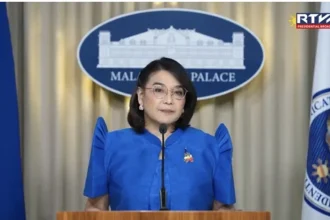
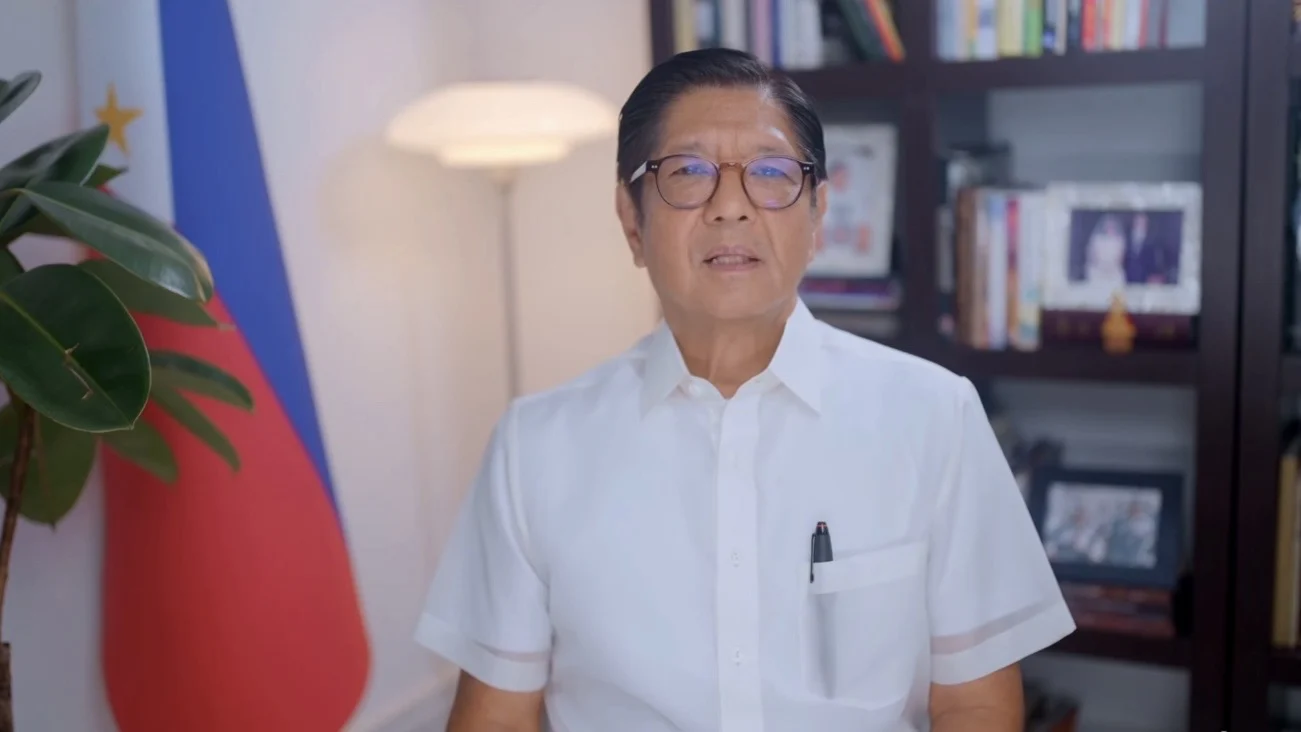
In a video statement on Thursday, April 9, following a meeting of the UPLIFT Committee, Marcos said the Department of Transportation (DOTr) will implement a nationwide Service Contracting Program aimed at boosting the income of public utility vehicle (PUV) drivers while easing the burden on commuters.
“Kaya naman simula April 15, ipapatupad ng DOTr ang Service Contracting Program… babayaran namin ang ating mga operator at driver ng mula PhP40 hanggang Php100 kada kilometro,” he said.
[Translation: Starting April 15, the DOTr will implement the Service Contracting Program… we will pay our operators and drivers ₱40 to ₱100 per kilometer.]
The program will cover around 50,000 PUVs, 1,000 operators and up to 15 million passengers nationwide, with routes focused on areas connected to train lines and major bus corridors.
Commuters are expected to receive at least a 20% fare discount under the initiative.
“Para naman sa mga commuter, may kasamang hindi bababa sa 20 porsyento na diskwento sa pamasahe,” Marcos said.
[Translation: For commuters, there will be at least a 20 percent discount on fares.]
The president also announced a ₱10-per-liter fuel subsidy for PUVs, capped at 150 liters per week for three months, to be initially rolled out in Metro Manila before expanding nationwide.
“Magpapatupad tayo ng PhP10 kada litro na bawas para sa public utility vehicle na may maximum na 150 liters kada linggo sa loob ng tatlong buwan,” he said.
[Translation: We will implement a ₱10 per liter reduction for public utility vehicles, with a maximum of 150 liters per week for three months.]
Initial rollout sites include major routes such as Commonwealth Avenue, Quezon Avenue, España, Zapote, A. Bonifacio, Rizal Avenue and Marcos Highway, with expansion planned across the country.
Marcos said the measures are aimed not only at easing transport costs but also at preventing further increases in the prices of food and other basic goods.
“Mahalaga ito dahil hindi lang transport cost ang tinutugunan natin. Pinipigilan din natin ang pagtaas ng presyo ng pagkain at iba pang pangunahing bilihin,” he said.
[Translation: This is important because we are not only addressing transport costs. We are also preventing the increase in prices of food and other basic goods.]
The fuel subsidy will be implemented through accredited gasoline stations monitored by the Department of Energy to ensure proper distribution and prevent abuse.
Despite the rollout of targeted subsidies, Marcos did not make a decision on fuel excise taxes, even as he recently signed a law allowing the temporary suspension or reduction of such taxes upon the recommendation of economic managers.
Malacañang said the government continues to study the fiscal impact of a tax cut, balancing the need to provide relief with the potential loss in revenues.