

Reuters – Russian oil output cuts are imminent because Ukraine’s strikes on port infrastructure, pipelines and refineries have reduced export capability by 1 million barrels per day, or a fifth of total capacity, three industry sources said on Thursday, April 2.
A cut in output in Russia, the world’s second largest exporter, would add to the strain on global supplies when oil markets have already been jolted by unprecedented supply disruption because of the conflict in the Middle East.
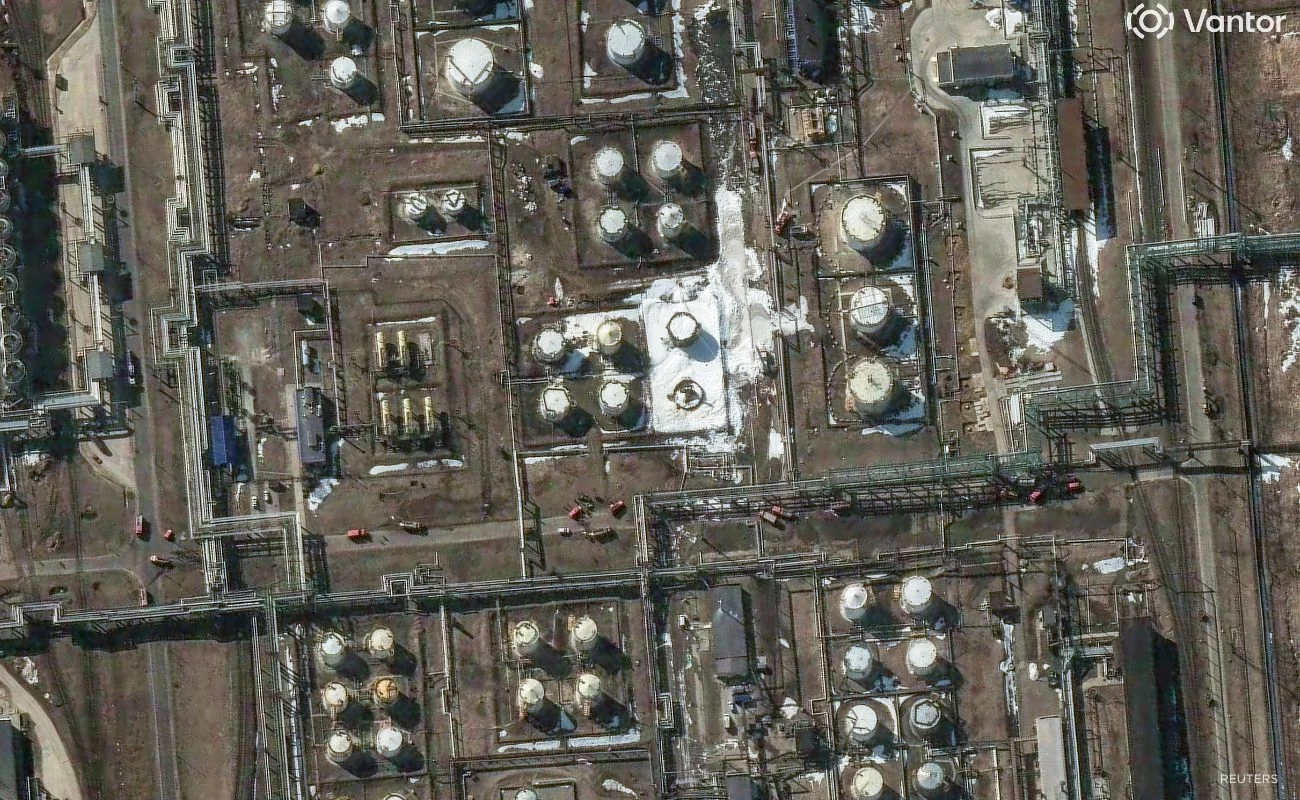
Ukraine has intensified attacks on Russia’s oil export infrastructure over the last month. In its heaviest drone strikes of the more than four-year war, Ukraine has targeted the Baltic ports of Ust-Luga and Primorsk, as it seeks to weaken Russia’s economy.
At least 20% of Russia’s total export capacity is out of order, down from a peak of 40% in March, but still enough, according to three industry sources, to have an impact on Russian oil production, the world’s third largest after the United States and Saudi Arabia. The sources spoke to Reuters on condition of anonymity due to the sensitivity of the situation.
Oil pipeline system is choked with oil
Russia’s major Baltic Ust-Luga port suspended oil exports a week ago after heavy drone strikes and fires. As Ukrainian drones target both export infrastructure and domestic refineries, Russian oil pipeline system has become choked with oil and storage is filling up, the sources said.
That means some oilfields will have to reduce their output to avoid flooding the system further, they said.
Russia has benefited from the surge in oil prices since the U.S.-Israeli attacks began on Iran at the end of February, but cutting its energy output would still hurt as oil and natural gas accounts for a quarter of state budget proceeds.
Limited pipeline capacity
Even before the attacks on the Baltic ports, Russia’s export capacity had been squeezed as its Druzhba pipeline, which supplies oil to Hungary and Slovakia, has been suspended since January.
More than 80% of Russia’s oil is pumped by state-controlled pipeline monopoly Transneft.
Transneft and Russia’s energy ministry did not reply to requests for comments.
According to the sources, Transneft notified exporters that Ust-Luga was unable to load oil in line with the initial exporting schedule due to the recent damage.
One of the sources said Transneft also said it was unable to take into its system full oil volumes from producers scheduled for exports via Ust-Luga.
The Organization of the Petroleum Exporting Countries has said that Russian oil production stood at 9.184 million barrels per day in February. The source could not say how much output might be cut.
They said that the oil export loading schedule from Ust-Luga for the first half of April was not expected to be complete, although loading allocations for the second half of the month remained in place until further notice.
Russian production fell slightly last year
Russian oil output fell by only 0.8% to 10.28 million bpd last year, accounting for around a tenth of global production, despite Western sanctions and Ukrainian drone attacks on refineries, according to Russian data.
The export bottleneck at Ust-Luga affects not only Russian oil exports, but also Kazakhstan, the sources said. Kazakhstan ships between 200,000 metric tons and 400,000 tons of KEBCO oil via Ust-Luga per month.
Seasonal oil refinery maintenance in Russia exacerbates the issue of excess oil in Transneft system, the sources said, because as refineries process less, the surplus grows.
Typically in March and April when Russia carries out seasonal refinery maintenance, Russia ramps up crude oil exports, but this time refinery shutdowns could result in even more oil being placed in storage.
There are no official figures on how much storage is available.
One source said that there was enough for weeks, but not for months.
(Reporting by Reuters; editing by Guy Faulconbridge and Barbara Lewis)