

Metro Manila, Philippines – The La Niña phenomenon has ended, state weather bureau PAGASA announced on Monday, March 9, but rains may still take place due to other weather systems.
PAGASA said conditions in the tropical Pacific have indicated a return to the El Niño Southern Oscillation (ENSO)-neutral levels, which are likely to persist until the June-August season.
La Niña refers to the cooling of the ocean surface, or below-average sea surface temperatures in the central and eastern tropical Pacific Ocean, according to the US National Weather Service.
It likely brings above-normal rainfall to the Philippines.
“Despite the end of La Niña, other weather and climate systems may still influence rainfall distribution in the country,” PAGASA Administrator Nathaniel Servando said.
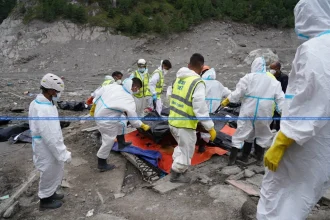
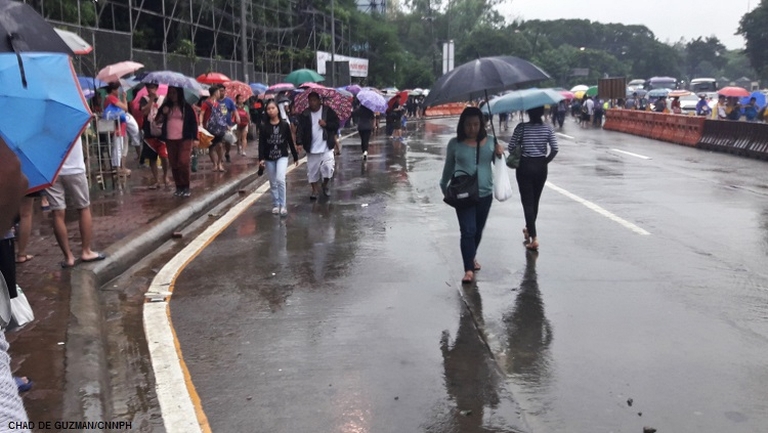
“Rain-bearing weather systems may bring occasional heavy rainfall that could lead to flash floods and rain-induced landslides in vulnerable areas,” he said.
On the other side of ENSO is El Niño, associated with warm conditions, that causes dry spells and severe droughts in some areas of the country.
PAGASA said warmer days or the hot dry season are typical in March to May.
On Monday, Coron, Palawan logged a heat index or an “init factor” of 42 degrees Celsius, under the danger category, according to PAGASA.