

Metro Manila, Philippines – The United States has reaffirmed its commitment to a connectivity project for Luzon anchored on a freight rail system, a Cabinet official said on Monday, 5.
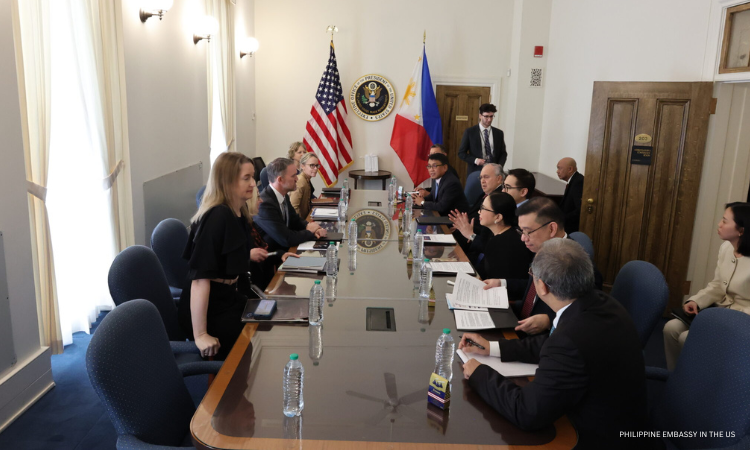
Secretary Frederick Go, the special assistant to the president for investment and economic affairs, said in a press briefing in Malacanang that this was one of the items discussed in his recent meeting with the US Trade Representative.“Ang Luzon Economic Corridor (LEC) po ay tuloy na po. Marami pong nagtatanong the last two months kung ano ang nangyari dito. Nakatanggap po kami ng kasulatan galing sa US Trade and Development Agency na approved na po ang loan ng Subic-Clark-Manila-Batangas Rail,” said Go. [Translation: The Luzon Economic Corridor is moving forward. A lot of people have been asking over the past two months about the status of this project. We received official confirmation from the US Trade and Development Agency that the loan for the Subic-Clark-Manila-Batangas Rail has been approved.] Go said Washington has committed to fund the project with a higher grant of $3.8 million (roughly P211.77 million), up from an initial $2.5 million (roughly P139.32 million). The project will connect key ports in the island to boost economic activity.This Subic-Clark-Manila-Batangas rail will be crucial for industry and trade, as it will link the most important ports in our country – Subic, Manila, and Batangas Ports. These three ports handle over 80 percent of all port traffic in the Philippines,” he said.Go said the connectivity project remains a priority amid the Trump administration’s cost-cutting measures.We were glad to hear that despite some programs being halted, the US continues to support the Luzon Economic Corridor, and we are excited about this project moving forward,” he said.Go said he also raised the concerns of industries during the meeting with the US Trade Representative.We made sure that the welfare of our industries, especially the semiconductor, coconut, and garment sectors, was at the forefront of our discussions. These are vital to our export trade with the US,” he said. On the 90-day moratorium period for trade negotiations, Go noted the need for patience. “The process must take its course. Both sides will work together on a framework for discussions, and we expect progress to be made before the moratorium ends,” he said.