

Metro Manila (CNN Philippines, July 24) — Supposedly “not-so-clear” home quarantine rules are not solely to blame for the recent spike in coronavirus cases in the country, the Department of Health said in response to a recent statement by Presidential spokesman Harry Roque.
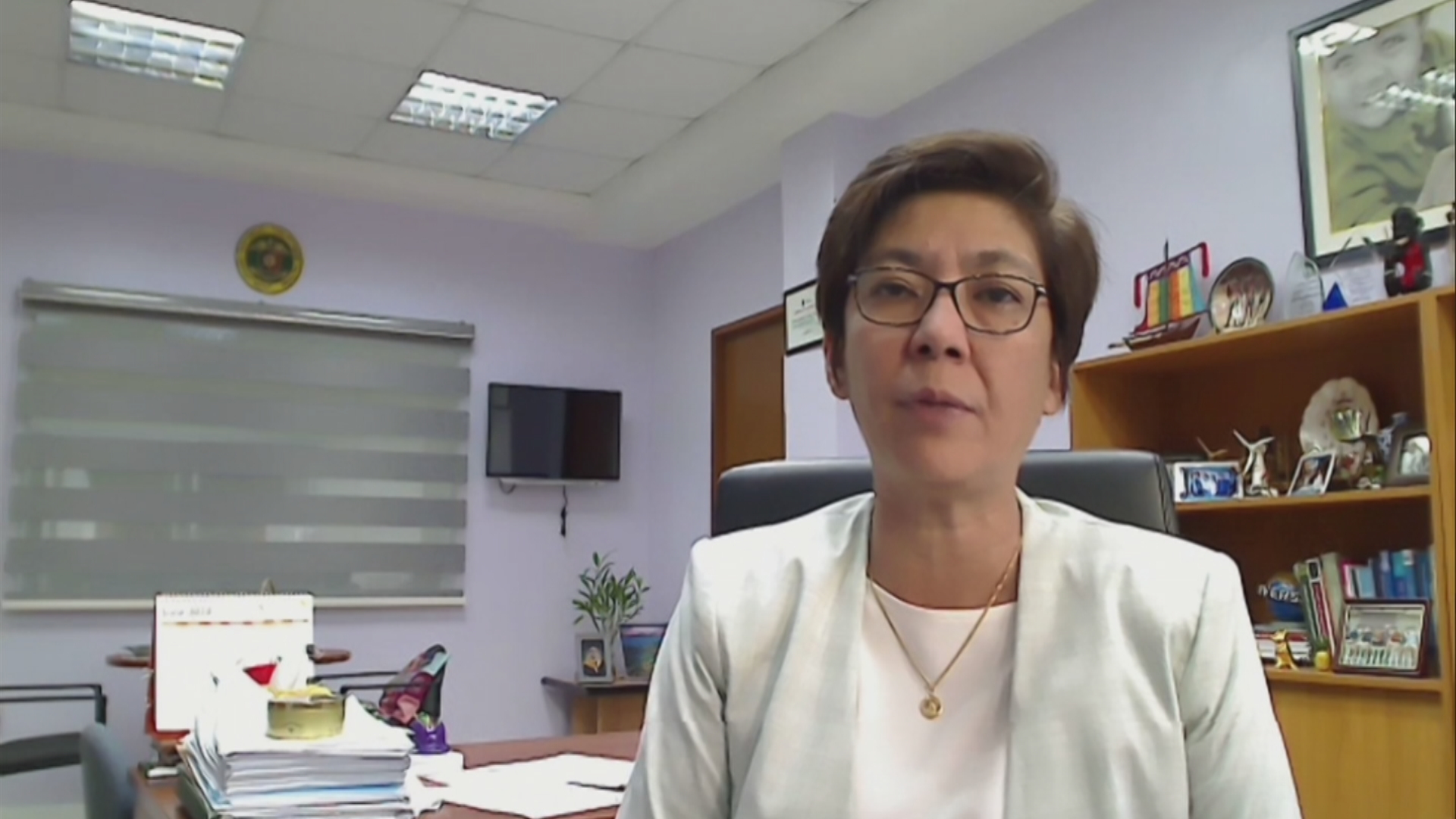
“Kailangan nating maintindihan na hindi lang iyan ang cause kung bakit tumataas ang kaso natin,” Health spokesperson Maria Rosario Vergeire told reporters in a media forum.
[Translation: We have to understand that (home quarantine) is not the only reason why our cases are increasing.]
“Baka mamaya lumalabas sa mga tao na [People may have the wrong impression] that the main reason why cases are increasing is because we did home quarantine,” she added.
Vergeire reiterated that the Philippines’ ability to test more individuals, as well as the easing of movement restrictions, were also factors in the increase in cases.
The official noted that at present, the actual tests done by accredited COVID-19 testing facilities per day reach 25,000, higher than their average daily testing capacity of 10,000 last month.
On Thursday, Roque said the DOH “should have been clearer” with guidelines for home quarantine of infected individuals who are mildly ill or have no symptoms at all.
He said it was not clear with people before that they should only go through quarantine at home when they have their own room as well as bathroom, and that they do not live with someone with a high risk of catching coronavirus, such as the elderly. He added that this may have brought up the number of infections.
However, Vergeire said the DOH has always emphasized to local governments that specific conditions for home quarantine must be met.
She added that under the updated guidelines on contact tracing, as enumerated in DOH Memorandum 2020-0189, barangay emergency response teams and other volunteers are “mandated” to monitor the compliance of the confirmed cases and their close contacts to reduce the risk of COVID-19 transmission.
Decentralized system
But Vergeire admitted issues of policy implementation are “inherent in a decentralized system.”
“More often than not, makikita natin ang mga polisiya na ibababa ng national government, may mga different interpretations. Ito ay nangyayari dati pa.”
[Translation: More often than not, policies cascaded down by the national government usually have different interpretations. This has been happening even before.]
She vowed to look into gaps of implementation and inform the public after identifying them.