

Metro Manila (CNN Philippines, December 3) — Three travelers from Africa who arrived in the country last month tested positive for COVID-19, according to a Department of Health official.
The samples of the three individuals were sent to Philippine Genome Center to determine if they have the Omicron variant, she added.
There are no reports of Omicron cases in Burkina Faso and Egypt but the two are being monitored “since they are part of the African region,” Vergeire said.
Of the 80, 72 are in facility-based quarantine, three are isolated at home, and five have been discharged, Vergeire said.
Eight were still being located while 165 are “under verification process.” CNN Philippines sought clarification on what “under verification process” means but has yet to receive a reply.
Retesting is also ongoing, Vergeire said.
Health Undersecretary Maria Rosario Vergeire on Friday said they received a report that one traveler from South Africa, where Omicron, a variant of concern, was first reported, was positive for COVID-19. The person is a 23-year-old male overseas Filipino worker who came in on Nov. 16.
“We are verifying this information and isolation status,” she added.
Vergeire added one passenger from Burkina Faso and another from Egypt tested positive for COVID-19.
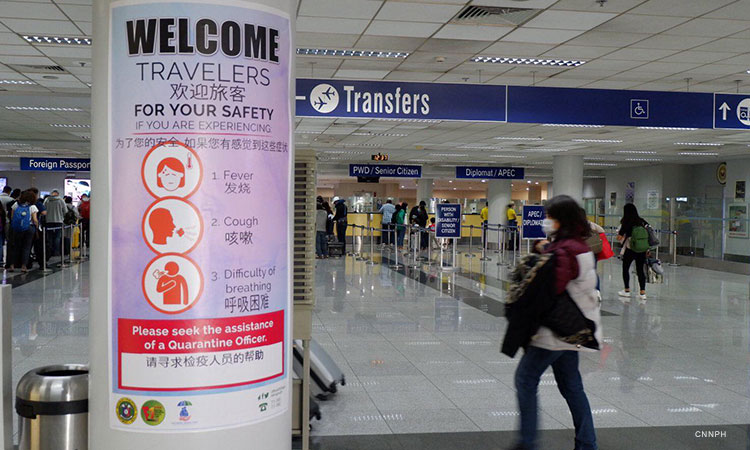
Meanwhile, the government is tracing and monitoring 253 travelers — 249 Filipinos and four foreigners — from South Africa, according to Vergeire.
“BOQ (Bureau of Quarantine) has started to locate these passengers,” Vergeire said in an online media forum.
As of Saturday, BOQ and regional epidemiology surveillance units have so far contacted 80 of the 253 travelers who arrived from Nov. 15 to 29.
The government banned flights — except those carrying Filipino repatriates — coming from South Africa, Botswana, Namibia, Zimbabwe, Lesotho, Eswatini, and Mozambique, Austria, the Czech Republic, Hungary, the Netherlands, Switzerland, Belgium, and Italy until Dec. 15 as a preemptive measure against Omicron.
As of Dec. 3, 35 countries and jurisdictions have reported Omicron cases, Vergeire said.
Citing early reports, she said Omicron has 50 mutations overall and some of them “have been linked to increased transmissibility and immune evasion.”
“However, further studies are necessary to better understand just how these mutations affect transmissibility and efficacy of vaccines,” she added.
Meanwhile, the World Health Organization (WHO) said it is unclear whether Omicron is more easily spread or if it causes more severe disease than other variants of concern. But preliminary evidence suggests there may be an increased risk of reinfection with Omicron, it added.