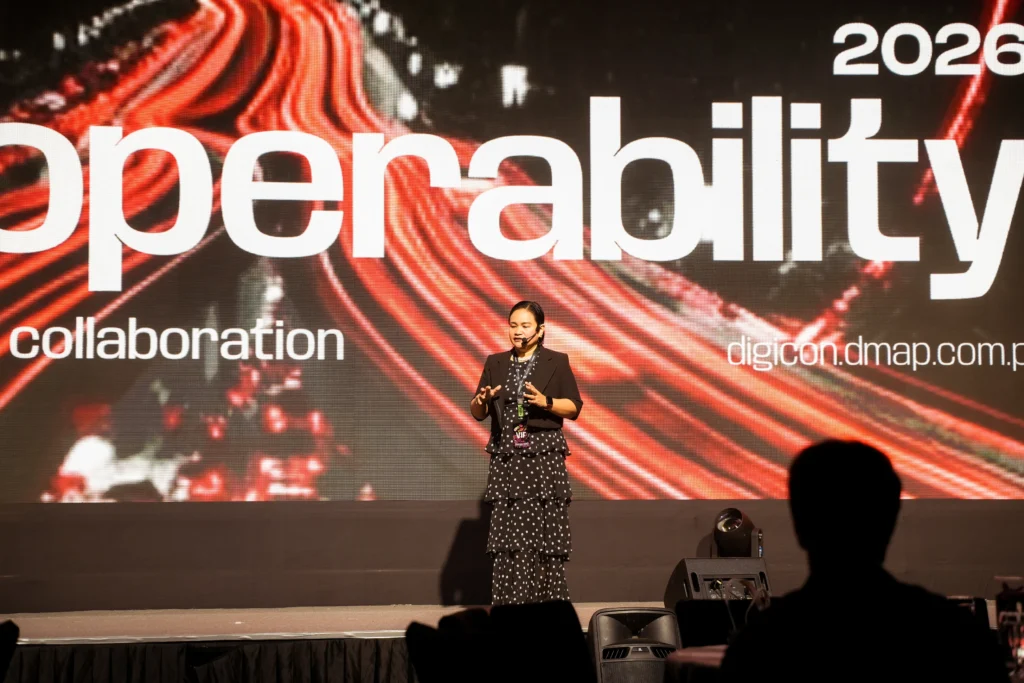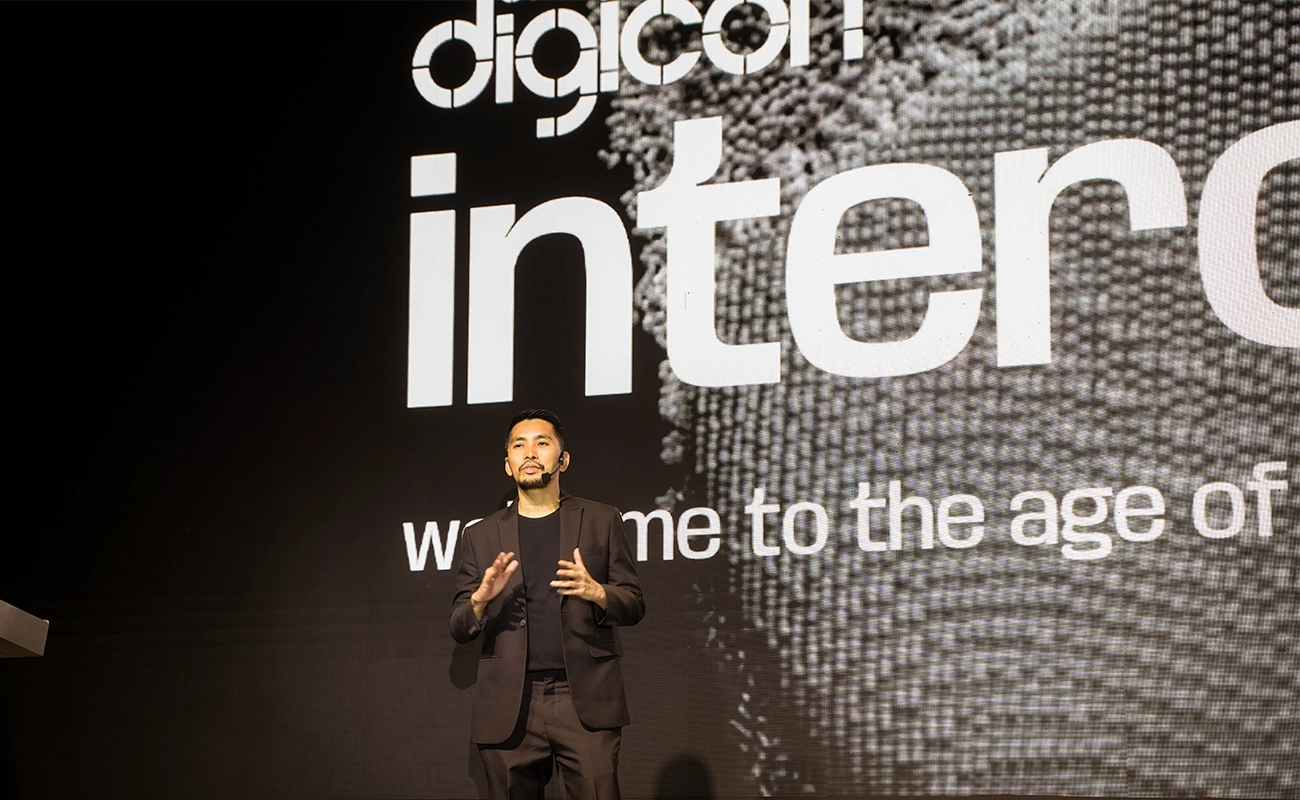


Metro Manila, Philippines – DigiCon 2026 concluded its two-day conference at the Manila Marriott Hotel with a call for Philippine businesses and industries to move beyond conversations about digital transformation and turn collaboration into meaningful, long-term action.
Organized by the Digital Marketing Association of the Philippines (DMAP), the event brought together more than 2,000 leaders and professionals from marketing, business, technology, and media under the theme “Interoperability: Welcome to the Age of Collaboration.”
Across two days of discussions, DigiCon 2026 underscored a central message: as artificial intelligence, consumer behavior, and digital ecosystems continue to evolve, the ability to connect people, ideas, and capabilities is becoming increasingly important to business growth and innovation.
Championing collaborative advantage
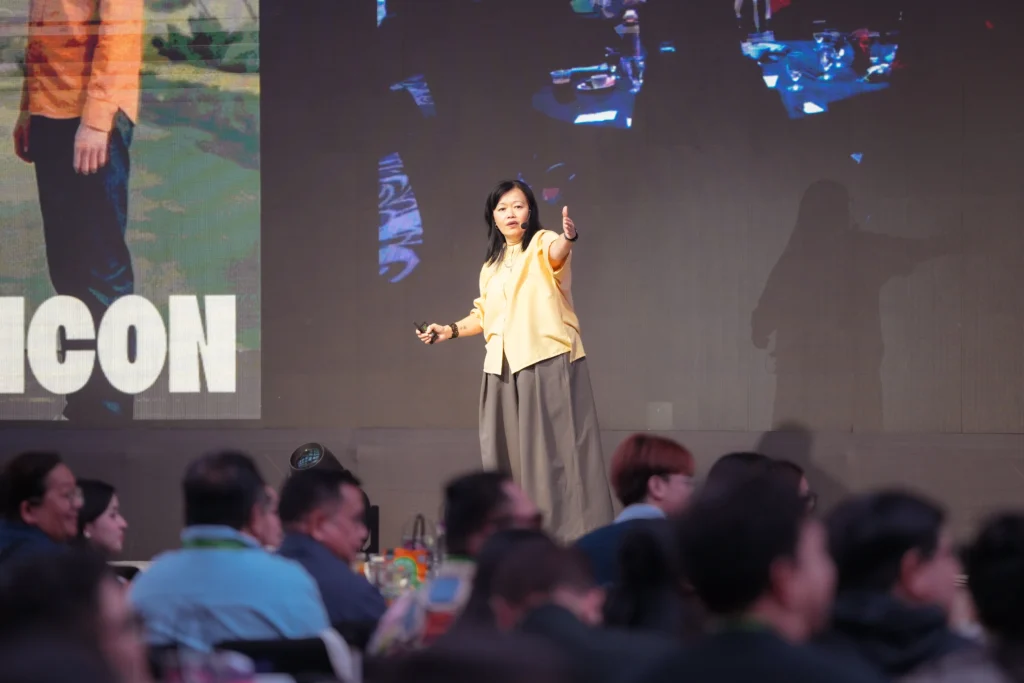
Headlining the final day plenary, Edelman Global chief creative officer Judy John challenged industry leaders to rethink how ideas are developed, emphasizing that future-ready solutions require different disciplines, perspectives, and capabilities working together from the outset.
Thomas Kolster of Mr. Good Advertising reinforced this perspective, exploring how collaboration can become a competitive advantage for businesses navigating an increasingly interconnected marketplace. Bernard San Juan also presented a showcase for certified digital marketer.
One of the day’s key highlights was the Next Monday panel, moderated by DigiCon co-chair Shayne Madamba, which brought together DMAP president Miko David, Association of Accredited Advertising Agencies chairman Ronald Barreiro, Ad Standards Council executive director Robbie Aligada, and Public Relations Society of the Philippines president Ana Pista to discuss a shared vision for greater industry collaboration.
Other plenary discussions explored shifting consumer behavior, audience engagement, and discoverability across platforms. Google’s Deborah Ko and Jellyfish’s Alvin Cheang examined dual audience mindsets in a discussion facilitated by Google’s Sally Jeffery, while AdSpark CEO Manny Fernando shared strategies for driving consumer action.
Manila Broadcasting Company’s Santi Elizalde and Jeriko Taruc, alongside 101.1 Yes FM’s Sexy Megan, discussed cross-platform discoverability. The plenary also featured showcases from the Book of Bad Ideas & The Red Door Podcast.
Turning interoperability into real-world business impact
Beyond the plenary, specialized tracks demonstrated how connected thinking can translate into more seamless customer experiences, stronger creative partnerships, and scalable digital solutions.
The Immersive Track, led by Denise Haak, explored how businesses can connect digital and physical experiences to create more seamless customer journeys.
Speakers from Cebu Pacific, Ayala Land Hospitality, Iles Philippines, Pure Culture, AC Mobility, Inquiro, and Moving Walls shared perspectives on connected tourism, retail, mobility, and marketing. Discussions also addressed friction in financial services, bringing together representatives from Tonik Bank, RS2, SwiftPay, UnionBank, IPV Network, Abe-Abe, and Reyes Tacandong & Co., Lennon Group’s Quark Henares capped the track with insights on storytelling in the streaming era.
Meanwhile, the Impact Track, led by Jordan Santos in partnership with the ONE Asia Creative Awards, highlighted the role of creativity, communities, and cross-industry partnerships in building stronger brand connections.
Paulus Seoul’s Thomas Hongtack Kim and Ogilvy Singapore’s Nicolas Courant explored the importance of human insight and cultural relevance, while discussions featuring Best of the Best, Let’s Eat Pare!, Home Buddies, Hey Roomie, Bloom PH, Zushis, and Team Wil examined the influence of communities and fandoms.
Additional sessions featured insights from Anker, Viber, Fenyx Digital, Not AI, Octopus&Whale, DITO Telecommunity, Moonton, and Co-Op Play on collaborative brand building, AI-driven storytelling, and creative gaming. The One Club for Creativity also shared global creative benchmarks, while representatives from SwiftPay, CognitiveAI Technologies, UP Diliman, and Fortify Digital presented the DMB Look Book 2026.
Completing the convention’s specialized sessions, the Interactive Track, led by Pat Del Castillo, focused on practical applications of AI and digital systems. Emporia Group’s Art Policarpio discussed deploying AI agents across social content teams, while Not AI’s Nicolas Tessier explored how businesses can redesign their marketing operations for the AI era.
Building what comes next
Closing the convention, DigiCon 2026 co-chairs Raymund Sison and Shayne Madamba reinforced the importance of carrying the event’s insights beyond the conference halls and into everyday business practices.
“The true value of DigiCon 2026 lies in what we build next,” Madamba said, thanking the convention’s speakers, partners, and delegates while encouraging industry leaders to translate the lessons of interoperability into concrete initiatives.
“Collaboration should not end when the convention does. What matters now is how we apply these insights, build stronger partnerships, and create solutions that deliver real value to businesses and communities,” said Sison. “By working across industries and combining our strengths, we can unlock new opportunities and help shape a more innovative and competitive digital economy for the Philippines.”
By combining technology, human insight, and cross-sector alignment, DigiCon 2026 set a lasting benchmark for how the Philippine digital ecosystem can collaborate and scale.