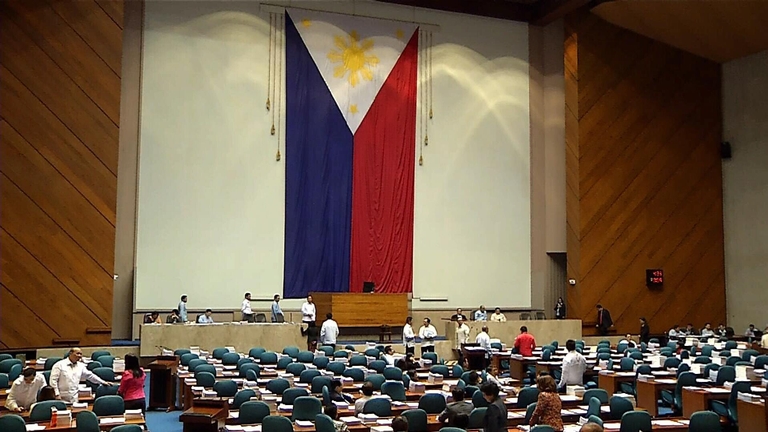


Metro Manila, Philippines — The House of Representatives approved the proposed ₱7.2-trillion national budget for 2027 on third and final reading on Monday, October 12, despite allegations of pork barrel allocations, political patronage and skewed spending priorities.
House Bill No. 10858, or the General Appropriations Bill, received 281 yes votes, 13 no votes and one abstention.
Kabataan party-list Rep. Renee Co said the chamber did not take up the proposed amendments to restore education funding despite calls from over 90 state universities and colleges, insisting that education funding “must never go lower” and “can and should only go higher.”
Co put at about ₱1.15 trillion the budget items she characterized as pork, including infrastructure projects, patronage-based assistance, lump-sum funds and other questionable allocations.
Mamamayang Liberal party-list Rep. Leila de Lima called the spending plan “not people-centered” but “election-centered,” arguing that nearly half of the government’s limited fiscal space had gone to items she considered pork at the expense of development programs and foreign-assisted projects.
Caloocan 2nd District Rep. Edgar Erice said the allocations appeared to reward political allies and penalize critics, describing the measure as “budgeting by political influence.”
Navotas Rep. Toby Tiangco criticized the rejection of his proposals to publish House spending details and Public Works projects by district, while Kamanggagawa party-list Rep. Elijah San Fernando questioned the review process, saying, “Walang [no] actual deliberation.”
ACT Teachers party-list Rep. Antonio Tinio called the measure a “pork barrel budget” that he said would benefit billionaires and politicians rather than ordinary Filipinos, while Gabriela party-list Rep. Sarah Elago criticized cuts to agriculture and housing and reliance on financial assistance instead of long-term solutions.
Akbayan party-list Rep. Perci Cendaña called it a “budget na at least,” citing shortfalls in support for public transportation and healthcare and the limited role of the public in the budget process.
Other lawmakers who voted no included Dinagat Islands Rep. Kaka Bag-ao and Cebu City 1st District Rep. Rachel Del Mar, who cited cuts to her district’s infrastructure allocation.
House Speaker Bojie Dy defended the spending plan, saying the chamber had pursued transparency and added funding for education, healthcare, transportation and preparations for El Niño.
“When the National Expenditure Program was turned over to the House last August, we made a commitment to the Filipino people: that every centavo earned through their hard work and paid in taxes must be spent wisely, honestly, and on programs that will make a real difference in their lives,” Dy said.
The House said its amendments included an additional ₱10.06 billion for education programs, alongside increased support for medical assistance and agriculture, as the measure moves to the Senate for deliberations.