

Metro Manila, Philippines – In his second to the last State of the Nation Address (SONA), President Ferdinand Marcos Jr. highlighted a supply chain initiative, saying it could create quality jobs, boost industrial competitiveness, and strengthen the country’s role in the global AI and technology supply chain.
But even before #SONA2026, the planned Pax Silica Industrial Hub had drawn criticism from progressive groups that raised concerns over its possible impact on the environment and local communities.
What is Pax Silica?
The Pax Silica Initiative is a United States-led partnership aimed at building a secure and resilient technology ecosystem, particularly in areas involving artificial intelligence (AI), semiconductors, and other emerging industries.
The Philippines joined the initiative on April 16, becoming one of its signatories alongside Japan, South Korea, Singapore, Australia, India, and the European Union.
The initiative aims to strengthen cooperation among countries in developing technology supply chains and reducing dependence on vulnerable sources.
What is the Pax Silica Industrial Hub?
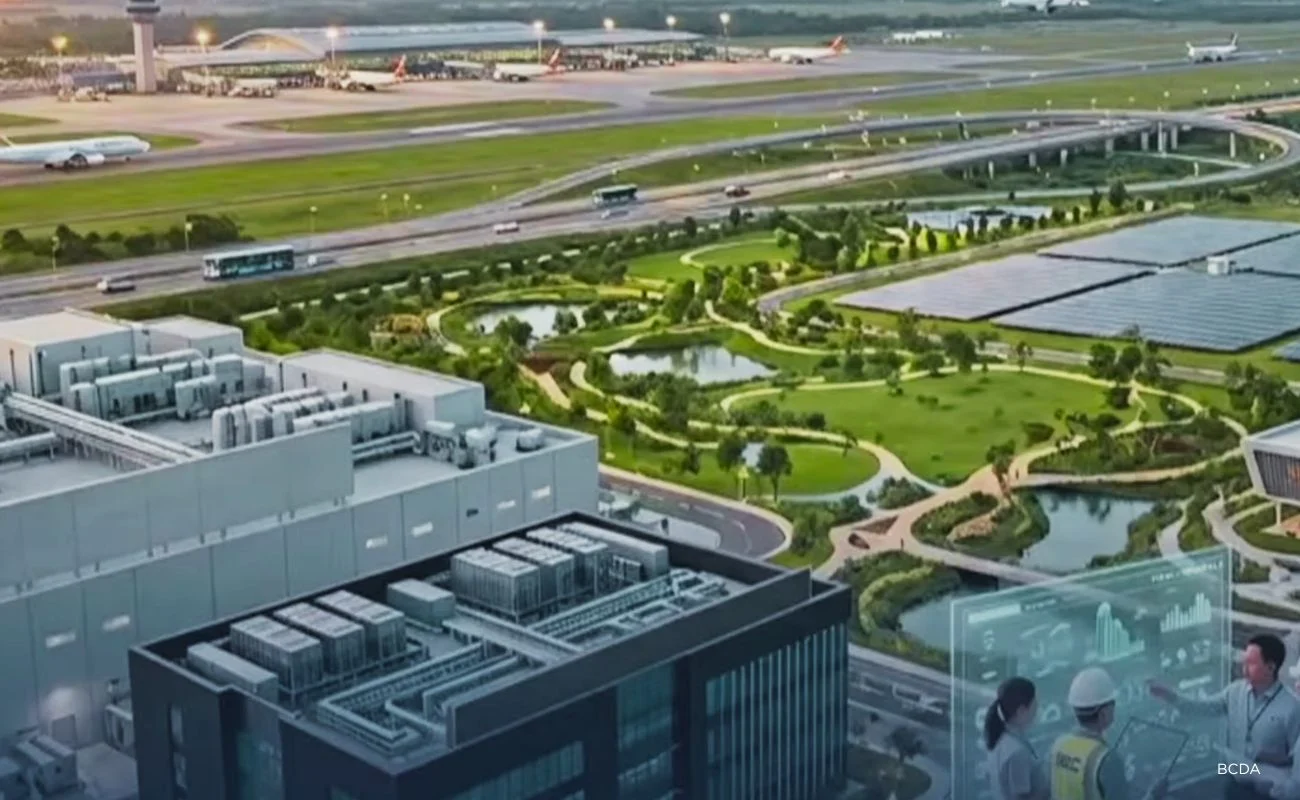
The Philippines’ participation in Pax Silica entails the establishment of an industrial hub within the Luzon Economic Corridor.
The Bases Conversion and Development Authority (BCDA) said around 1,620 hectares have been identified for the project, which aims to support artificial intelligence, semiconductor manufacturing, advanced manufacturing, and logistics.
In the #SONA2026, Marcos said the hub will have AI at its core and will serve as an advanced manufacturing and logistics center connected to the global AI and technology value chain.
How can the Philippines benefit from it?
The government says the project could attract investments in strategic industries such as technology, advanced manufacturing, pharmaceuticals, and logistics.
Marcos said the hub is expected to create quality jobs, improve industrial competitiveness, and help revitalize the economy.
The project is also expected to tap critical mineral resources such as nickel, copper, chromite, and cobalt, which are important components in technology supply chains.
Why are some groups opposing the project?
While the government highlights the possible economic benefits of Pax Silica, some progressive groups have raised concerns over its environmental and social impact.
Critics questioned the project’s possible effects on water resources, local communities, and the environment, warning that industrial development should not come at the expense of natural resources and affected communities.
What does the government say about these concerns?
The BCDA, during a Palace press briefing on July 23, has denied claims against the project.
On concerns over water consumption, the agency said the industrial hub will not use community water sources and will instead rely on rainwater harvesting, storage, treatment, and recycling systems.
The BCDA also said the project will not displace indigenous communities, as it is located outside titled ancestral domains, while livelihood and employment programs will be provided for affected communities.
The agency said Pax Silica is not a mining project or a weapons manufacturing facility, but a project focused on processing critical minerals into higher-value products and supporting commercial AI, semiconductor, and advanced manufacturing industries.
The government said all investments in the project will follow Philippine laws, regulations, and allow government oversight.