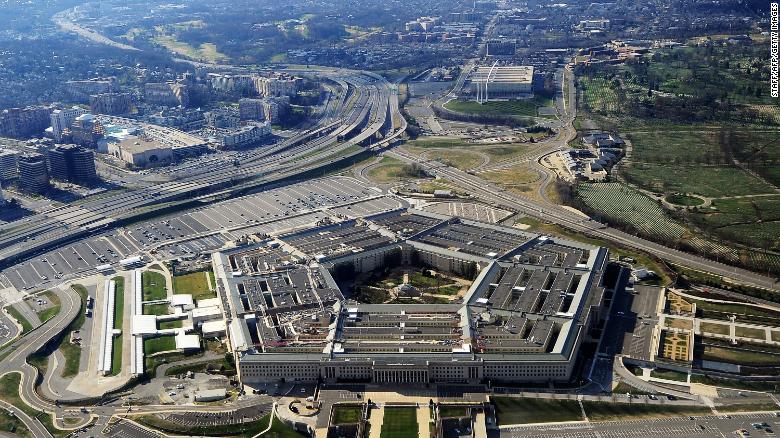


(Reuters) – The U.S. is ready to restart attacks on Iran if a deal cannot be reached, Defense Secretary Pete Hegseth said on Saturday, as negotiators from Washington and Tehran worked to bridge major differences blocking an agreement.
“Our ability to recommence if necessary…we are more than capable,” Hegseth said in Singapore.
“Our stockpiles are more than suited for that, both there and around the globe, so we’re in a very good place,” he added.
Hegseth, speaking at the Shangri-La Dialogue, Asia’s premier forum for defence leaders, militaries and diplomats, said the U.S. has not turned its back on the Asia-Pacific region despite being engaged in conflict with Iran.
“We can do two things at one time. We’re super-charging our defence industrial base so that we’re building 2X, 3X, 4X the munitions very soon to ensure that all of our (operations) plans are properly funded throughout the world,” he said.
The Pentagon chief said President Donald Trump was “patient” and wants to make a “great deal” that ensures Iran does not get a nuclear weapon.
On Friday, Trump said he would meet in a secure White House room to make a “final determination” on a proposal to end the Iran war, which would extend an early-April truce for another 60 days, giving negotiators time to forge a permanent end to the conflict.
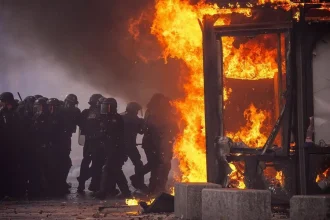
The war launched by the U.S. and Israel on February 28 has killed thousands of people, mainly in Iran and Lebanon, and caused global economic pain by pushing up energy prices due to Iran’s effective closure of the Strait of Hormuz.