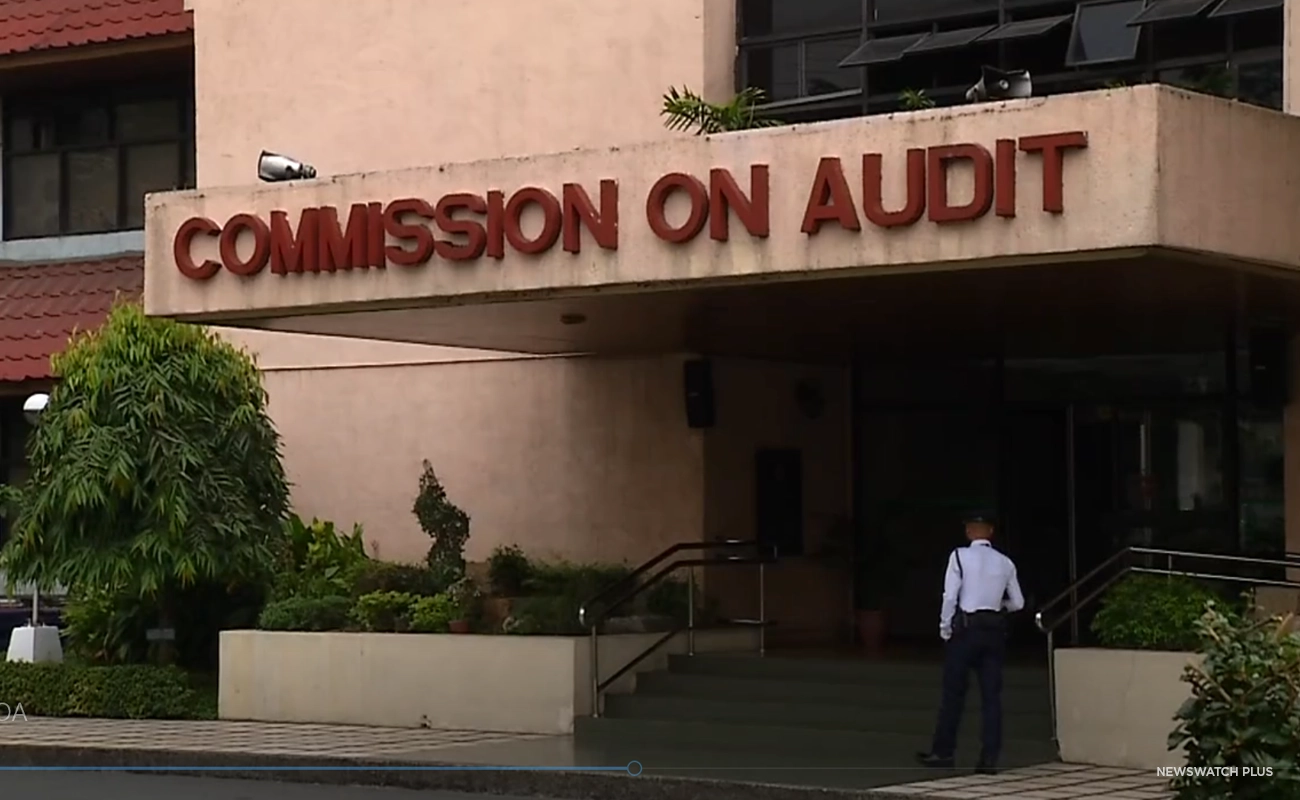


Metro Manila, Philippines – The Commission on Audit (COA) flagged over ₱1 billion in unused funds in the Metro Manila Development Authority (MMDA) 2024 budget, citing project delays as the cause.
COA found that the agency spent ₱10.8 billion of its ₱12.8 billion budget, but only disbursed ₱8.9 billion (82.4 percent) of obligations by the end of 2024.
According to the audit report, delays were traced in the implementation and procurement processes which affected the “timely delivery of services, delayed socio-economic benefits for Metro Manila residents.”
State auditors said MMDA’s delayed projects “increased the risk of fund reversion” to the national treasury, warning that the unused allocation could lapse and undergo re-authorization via the legislative process for the national budget before they can be used again.
The report also cited “potential inefficiencies in program execution.”
“This procedural setback not only causes administrative delays, but also hinders medium-term planning, disrupts service delivery, and postpones infrastructure improvements vital to regional development, traffic management, flood control, and urban mobility,” the report read.
In response to the COA report, the MMDA cited “severely restricted” mobility during the COVID-19 and frequent shifts in leadership as reasons for the project delays.
To address the issue, the agency said it would release a quarterly memorandum to ensure that implementing units are up to date on programs and activities. It added that implementing units would coordinate with contractors to expedite processing of claims and payment.
The MMDA Project Management Office said it established a monitoring system to align actual project performance with planned activities.
“Strict monitoring and coordination are also in place to ensure that any foreseen delays may be addressed promptly and appropriate adjustments to the planned activities and projections can be made,” it added.
COA said the unforeseen factors that caused delay could have been addressed by the agency with “more thorough planning and meticulous evaluation of supplier and contractor capabilities.”
“In addition, establishing clearer lines of accountability while fostering collaboration can reinforce performance expectations and support the achievement of project goals. This includes defining responsibilities, documenting progress, identifying implementation risks early, and ensuring that corrective actions are taken when needed,” it added.