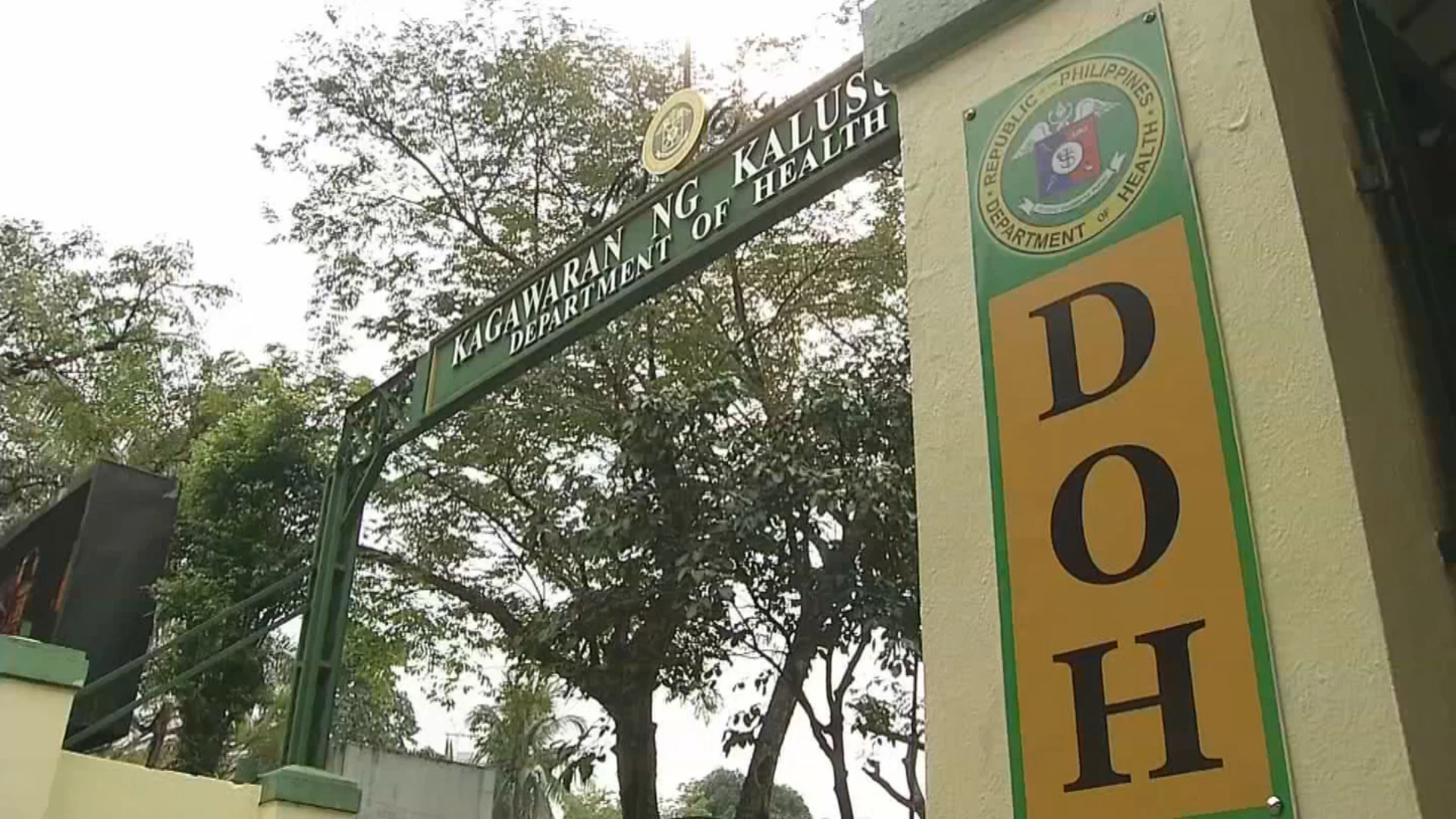


Metro Manila (CNN Philippines, September 28) — The feared Nipah virus has not been detected in the country despite a reported rise in fever and flu-like illnesses in Cagayan de Oro, the Department of Health (DOH) said Thursday.
\”Dito po sa Pilipinas, wala po tayong detection. Meron lang po tayo nung huli in 2014 in Sultan Kudarat, where there were a number of individuals in a community na nadectan ito,\” DOH Usec. Maria Rosario Vergeire said during the Senate deliberation for the proposed 2024 budget of the DOH and its attached agencies. \”Sa ngayon po, wala po tayong nade-detect pa.\”
[Translation: Here in the Philippines, we have no detection [of the virus]. The last detection we have was way back 2014 in Sultan Kudarat…For now, we have no detection of the [Nipah virus].
Vergeire said that although there is no confirmed entry of Nipah virus, they have reactivated an inter-agency body to be prepared.
\”Ang DENR po ay nagko-conduct na ng random surveillance sampling among our bat population. We’re issuing advisories na mag-avoid na muna ang mga tao going to these mga bats na habitat,\” Vergeire said, explaining that the primary infection comes from bats.
[Translation: The DENR is conducting a random surveillance sampling among our bat population. We’re issuing advisories instructing people to avoid bat habitats for now.]
Vergeire said other countries have detected the virus in horses, pigs, and even with dogs.
\”Kailangan po kasi na maintindihan ng mga tao kung saan siya nanggaling, maaari po kasi manggaling lang siya mismo sa bats, may droppings ‘yung bats, kumain siya ng prutas tapos nalaglag ‘yung kalahati ng [kinakain ng bat] tapos kinain ng bata. Maari rin pong ‘yung ma-infect ng bat ‘yung isa pang hayop katulad ng kabayo, baboy, o minsan ‘yung aso sa ibang bansa,\” she added.
[Translation: The people need to understand where it’s coming from, because it can come directly from bats, if the bats have droplets. For example, the bat ate a fruit then it dropped and a child ate the fruit half-eatern by the bat. Or the bat can also infect other animals like horses, pigs, or sometimes dogs, according to the other countries.]
Meanwhile, DOH’s Northern Mindanao office said it is aware that several teachers and students are exhibiting the same signs and symptoms as Nipah virus, but that it is not yet clear if it is due to the virus because these are common symptoms.
\”The DOH officially maintains that there are no Nipah Virus cases in the nation. Although there have been instances of both faculty and students here in Cagayan de Oro who are exhibiting the signs and symptoms of the viral illness, it is not yet clear whether a particular virus is to blame,\” it said in a statement on Wednesday.
Classes in CDO were suspended on Wednesday as widespread coughs and colds were reported in schools.
The DOH regional office and the local government unit of CDO urged residents to follow COVID-19 protocols, such as wearing of face masks, physical distancing, and isolation, to prevent the spread of any infection.
Nipah is a zoonotic virus transmitted from animals such as bats or pigs to humans, according to the World Health Organization (WHO). However, it can also be transmitted through contaminated food or directly between people.
The WHO says people infected with Nipah Virus initially develop symptoms including fever, headaches, muscle pain, vomiting, and sore throat. This can be followed by dizziness, drowsiness, altered consciousness, and neurological signs that indicate acute encephalitis.
The case fatality rate is estimated at 40% to 75%. There are currently no vaccines or medicines to prevent or cure Nipah Virus, so the only recourse is reducing exposure and transmission.