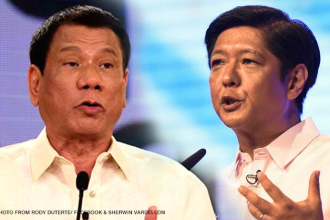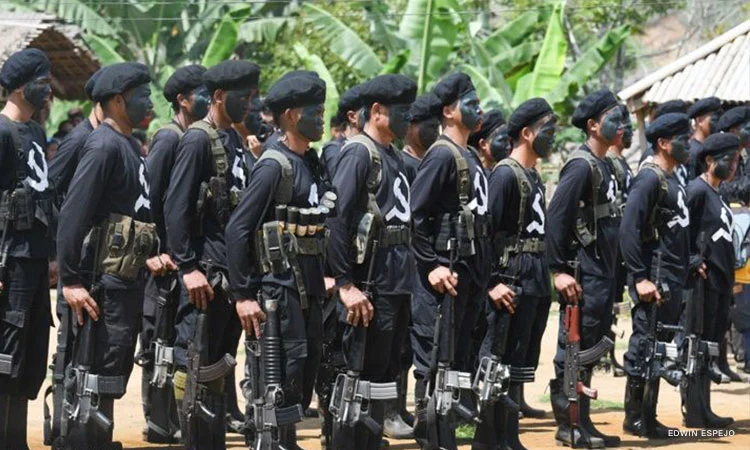


Metro Manila (CNN Philippines, July 14) — President Ferdinand Marcos Jr. will “unlikely” renew the government’s peace talks with communist rebels as fighting continues to rage in some parts of the country, a US-based conflict research and analysis group said.
According to Armed Conflict Location and Event Data Project (ACLED), the unrest between state forces and communist rebels remains “unabated,” with civilians being affected by the dispute, only showing the prospects for peace under Marcos are “dim.”“Formal peace talks between the government and the communist leadership, which have taken place in over 40 rounds since 1986, look unlikely to be revived under Marcos, Jr.,” it said in its analysis released Thursday.“This would make Marcos, Jr. the first Philippine president after the fall of his father’s dictatorship not to seek peace negotiations with the CPP-NPA-NDF,” the group added.In 2017, his predecessor, former President Rodrigo Duterte, declared the country’s biggest communist organization as a terrorist group.It includes the Communist Party of the Philippines (CPP) and its sub-group the New People’s Army (NPA) and the National Democratic Front (NDF).ACLED said Marcos was more inclined to push for “localized peace talks” with communist rebels in the areas rather than bringing the initiatives to CPP-NPA-NDF leadership.In March, the Office of the Presidential Adviser on Peace, Reconciliation and Unity (OPAPRU) said the government would continue the previous administration’s decision to end national peace talks with leaders of communist organizations.However, despite alleged improvements in resolving issues with communist rebels at the local level, ACLED said that crossfire between both sides was “seen in practically all parts of the country from the start of the Duterte regime and into the Marcos, Jr. regime.”“This means that the NPA has been present in every region, mirroring the prevalence of agrarian issues across the country and widespread poverty of agricultural workers,” it said.ACLED highlighted that clashes were particularly rampant in “remote, mountainous terrain in rural agricultural areas,” especially in Negros Occidental and Bukidnon.“This does not come as a surprise for a revolution with an agrarian base,” it said. “Western Visayas and Northern Mindanao are both known for agrarian unrest, being two of the country’s most important agricultural centers, and therefore serve as ideal staging grounds for the CPP’s revolution.The group stressed that while Northern Mindanao and Western Visayas have one of the biggest shares in terms of agricultural production, the regions’ farmers continued to suffer from poverty, as well as abuses and attacks from known agribusiness players.As the government moves to heighten the campaign against the communist insurgency, ACLED said the issue of red-tagging, or the act of falsely labeling individuals or groups as communist rebels or supporters, has likewise become widespread.From 2020 to June 30 of this year, the group said it recorded nearly 50 violent events related to red-tagging civilians, 13 of which happened after Marcos took the presidency.