

Metro Manila (CNN Philippines, July 5) — Government agencies are bracing for the El Niño phenomenon, which can cause sweltering temperatures.
Filipinos endure and are used to extremely hot weather, but they might be underestimating the adverse effects of El Niño that is expected to hit the country starting July, according the state weather bureau.
Here are some important things you need to know about the naturally occurring phenomenon.
‘ ‘3’:

What is El Niño?
The El Niño Southern Oscillation, commonly known as the El Niño phenomenon, is a climate pattern that lowers the possibility of rainfall, which raises the chances of dry spells, drought, and other negative heat-related environmental effects.It happens when sea surface temperatures over the Central and Eastern Pacific Oceans warm up and affect air and sea currents.The phenomenon happens once every two to seven years. The last El Niño affected the Philippines during the last quarter of 2018 until the third quarter of 2019.
According to the World Meteorological Organization, there is a 60% chance that the weather pattern will transition to El Niño during May to July this year. The probability is expected to increase to 70% in June to August and 80% between July and September.
The Philippine Atmospheric, Geophysical and Astronomical Services Administration (PAGASA) raised the El Niño Alert status in May. It expects the phenomenon to emerge in July until the first quarter of 2024.
Dangers of El Niño
Countries around the world have baked in blistering temperatures due to worsening climate change.
In the Philippines, the state weather bureau recorded the highest heat index at 47 degrees Celsius in San Jose, Occidental Mindoro and in Butuan City, Agusan del Norte last April.
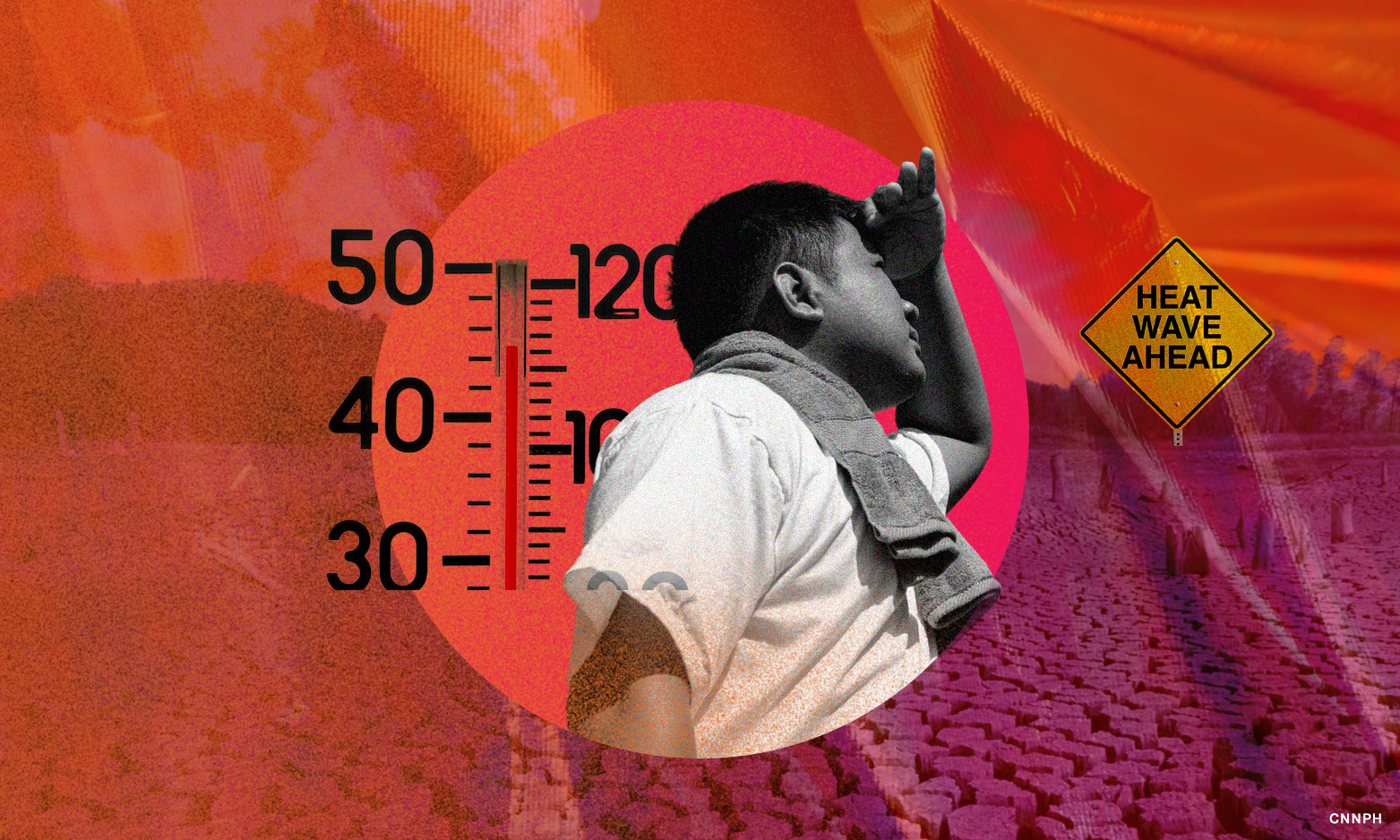
Temperatures reaching 42 to 51 degrees Celsius are considered dangerous as these can cause heat cramps, heat exhaustion, and heat stroke. This could be a glimpse of the effects of El Niño.
RELATED: MMDA personnel to take 30-minute ‘heat stroke break’ until May
Local government units are already preparing for the looming El Niño, which could affect agriculture and other vulnerable sectors in the coming months.
The National Water Regulatory Board has also warned the public to prepare early by saving water.
Less water means more challenges for agriculture. For this reason, the Department of Agriculture will give subsidies to farmers.
More than 20% of the country’s labor force relies on agriculture, which is vulnerable to drought. El Niño occurrences in the past reduced rice production and affected the electricity supply since some power plants depend on dams.However, despite the heat, El Niño could still cause heavy rains and flooding. The Food and Agriculture Organization said the extreme weather patterns can lead to animal disease outbreaks, plant pests and forest fires.
PAGASA also said the phenomenon could coincide with the southwest monsoon or “Habagat” season.
‘ ’21’:
How does one prepare for El Niño?
Monitoring weather forecasts and advisories from authorities keeps you informed and helps you prepare for extreme temperatures.Stock up enough goods but do not hoard. Hoarding results in scarcity of products, driving the prices up.Stay hydrated and healthy. Also wear sunscreen before you go outside, avoid outdoor activities during the hottest hours, and make sure to put everyone’s health first before anything else.PAGASA officials also advised Filipinos to do the following measures to conserve water:- Use a glass of water when brushing teeth instead of letting the water run.- Water plants in the morning or in the evening when it is cooler.- Take a bath in five minutes, don’t soak.- Use a bucket of water and a rag to wash your car or bike instead of dousing it with water.- Only use the washing machine when it’s fully loaded. Plan your laundry.- Use water basins when washing dishes by hand.- Collect rain water for watering plants, flushing toilet and similar purposes.Meanwhile, for extreme rainfall, residents in landslide prone areas must always stay alert for evacuation updates from their local government units.
Filipinos should also be wary of wound exposure to dirty and muddy water as one could get infections and other types of diseases.