

Metro Manila (CNN Philippines, February 21) — The Philippines officially joins the Regional Comprehensive Economic Partnership (RCEP), a free trade agreement between the Association of Southeast Asian Nations and its trading partners.
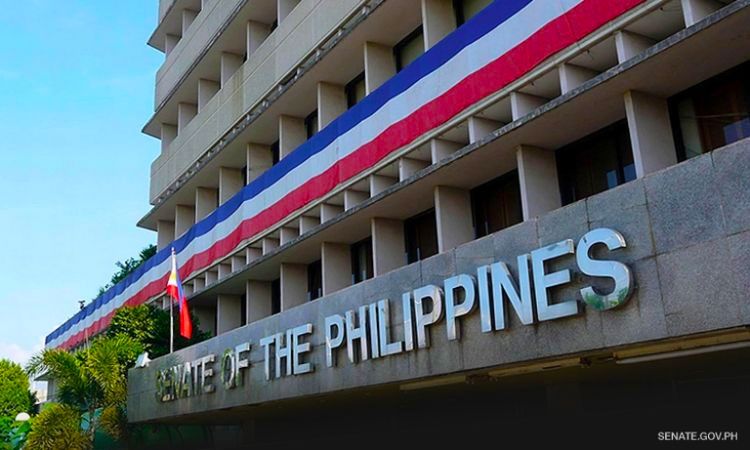
Voting 20-1-1, the Senate concurred with the ratification of the treaty on Tuesday, the second day of hours-long debates in the plenary.
Former President Rodrigo Dutrere signed RCEP in 2021, but a vote of two-thirds of the Senate, or 16 senators, was needed to effectively implement it in the country.
It’s a priority measure for the Marcos administration, but the president’s sister, Sen. Imee Marcos, abstained.
“Nais ko lamang diinin na ang aking pangangamba ay dulot ng aking paninindigan, hindi bilang kapatid sa kapangyarihan kundi bilang anak ng legasiya ng aking ama na laging unahin ang maliliit, ang mga nagsasaka ng lupa, at ang lahat ng mga nangangailangan,” she said.
[Translation: I want to emphasize that my fears are brought by my stand on the issue, not as a sister of the person in power but as the daughter of my father, who prioritized the minority, the tillers of the land, and all those in need.]
Sen. Marcos is chairperson of the Senate Committee on Foreign Affairs, but she refused to lead the hearings on the RCEP, citing the Filipino farmers’ fears that they will lose their livelihood due to the RCEP.
During the committee hearing presided over by Senate President Pro Tempore and subcommittee chairperson Loren Legarda on Feb. 7, farmers and agriculture groups said they doubt the government can protect them when imports start flooding the markets due to the reduction of tariff rates.
Senate President Juan Miguel “Migz” Zubiri and Legarda defended the measure in plenary, supported by some members of the Cabinet. Zubiri stressed that “sensitive” agricultural products such as rice, sugar, and onions are exempted from low tariffs.
Sen. Risa Hontiveros alone voted against the ratification, maintaining that she is not convinced that joining the RCEP is good and beneficial for the country.
“Ako po’y hindi kumbinsido na makakabuti sa Pilipinas ang RCEP. (I am not convinced that RECP would benefit the country.) I am persuaded by the study of Rashmi Banga, which found that the Philippines goods trade balance would worsen by US$ 264 million/year and it would lose tariff revenues of US$ 58 million/year,” she said.
Hontiveros also said she is not confident that the health and security exception “sufficiently protects our citizens from the onslaught of tobacco and formula milk advertisements.”
The senator added she had letters from 131 agriculture groups, farmers and fishers groups, and health and fair trade advocates who oppose the trade agreement.
Meanwhile, Sen. Alan Peter Cayetano called for safety nets for affected sectors in RCEP, asking for a report identifying affected sectors and measures to protect them within 100 days from the bill’s passage.
“I want the assurance from the Executive department because I really do believe that RCEP will be such a good vehicle for us. But let’s also have the commitment na kung may maiiwan, may interventions. Tingin ko mas maraming winners, pero we cannot afford na may ilang sektor na totally losers dito because it could kill,” he explained.
[Translation: But let’s also have the commitment that if some sectors will be left behind, there will be interventions. I think there will be more winners, but we cannot afford to have sectors that are totally losers here because it could kill.]
The Senate suspended its rules twice on Tuesday to allow Trade Assistant Secretary Allan Gepty, the country’s lead negotiator in RCEP, to respond to lawmakers’ questions.