

‘
Metro Manila (CNN Philippines, January 23) — Until the Department of Agriculture (DA) is reorganized and all the boxes on his “bucket list” are ticked, President Ferdinand Marcos Jr. has yet to transfer control over the agency to a Cabinet secretary.
‘
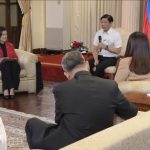
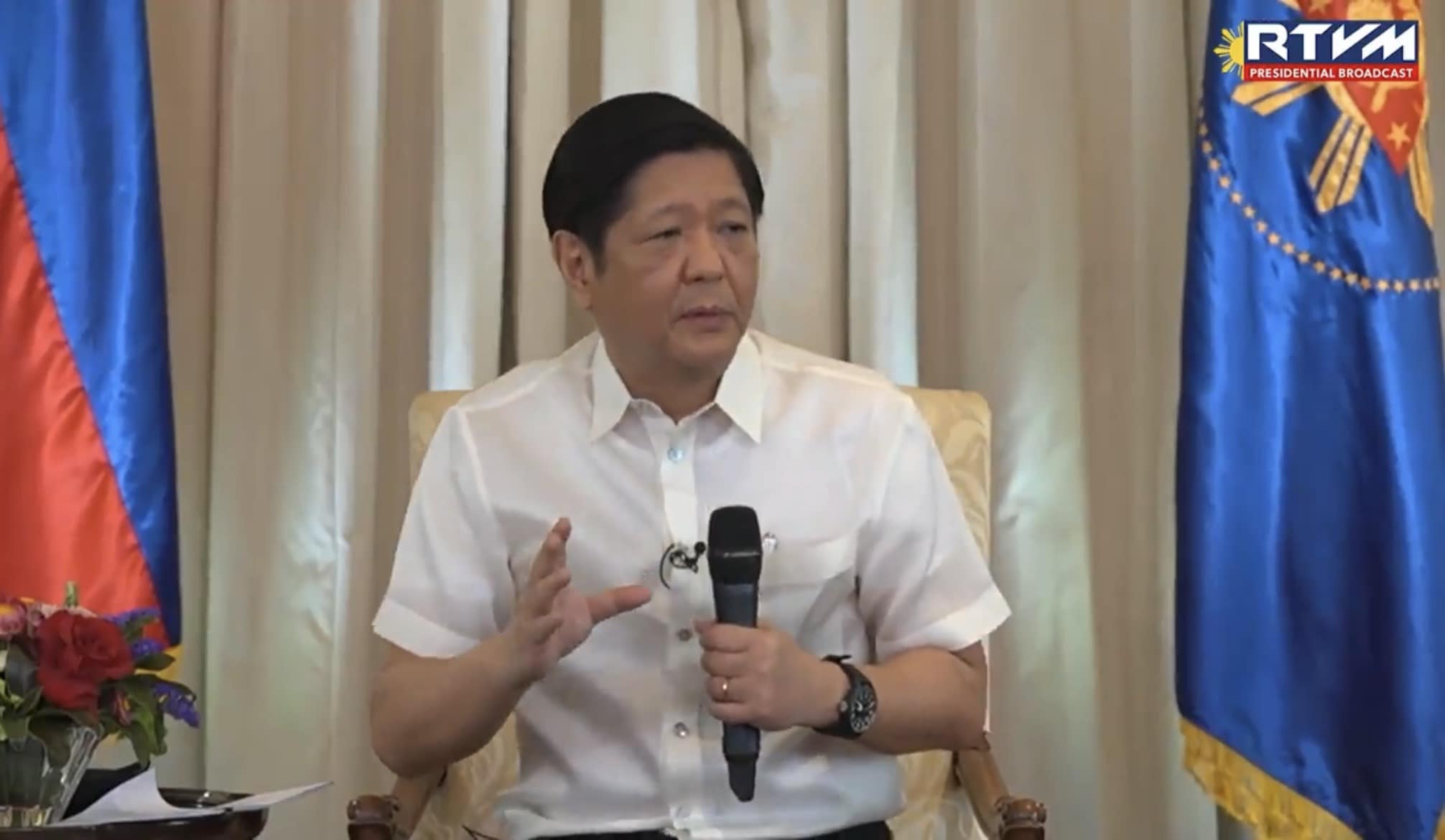
In a media interview on Monday, Marcos explained that the “multifaceted problems” in the agriculture sector could only be addressed faster if the president is the head of the DA.
‘
“For me [in] DA, there really are things that I can do that if there was a secretary and he or she did it, magagawa pero matagal, madaming diskusyon [it will be done but it will be slow, there will be discussions],” he said.
‘
“The President, they cannot say no to. And ‘pag hindi nila ginawa ‘yung utos ko, puwede kong sitahin [If they don’t do what I order, I can reprimand them],” he added.
‘
RELATED: Marcos: Agri expert to replace me as DA Secretary, not retired military official
‘
Marcos earlier said that he would appoint a “full-time” agriculture secretary when he has all items on his “bucket list” ticked off, which include helping local farmers, adopting new crop varieties, and developing technology.
‘
The most highlighted issue in the president’s list is local production. He stressed that local production remains the root of the agriculture sector’s problems.
‘
“But we come back to the problem of production. Once I know that the value chain has already been put together — never mind that it is functioning yet, but we already know what needs to be done in each part of that value chain and we have the means and we have a plan — then, we will have a secretary who will then take my place and will implement that plan,” Marcos said.
‘
The chief executive further said he still has to “restructure the bureaucracy” within the DA “for the simple reason that we are doing different things from what they were doing — what we were doing before.”
‘
Sourcing non-traditional supplies to address climate change
‘
As climate change remains an overarching issue in agriculture, Marcos said he is eyeing sourcing “non-traditional” supplies to address the country’s constantly changing weather and to help with local production.
‘
He explained that non-traditional suppliers refer to having multiple sources of basic commodities or agricultural products that the country can resort to in times of need.
‘
“With the shocks that have hit the global economy and with the supply chain problems that we see everywhere, then that is…something that we have to work around. And the way to do it is to have many sources of supplies so that whatever happens we have somewhere to go,” Marcos said.
‘
“Hopefully down the road, in a few years, we no longer have to worry about non-traditional supply because we will be able to produce enough for ourselves,” he added.
‘